
For Art Basel 2026, our selection brings together Terry Adkins, John Baldessari, David Claerbout, CrossLypka, Edith Dekyndt, Liam Everett, Jacob Kassay, Louise Lawler, Sol LeWitt, Erica Mahinay, Mitsuko Miwa, Jean-Luc Moulène, Lee Mullican, Noam Rappaport, Magali Reus, Richard Tuttle, Pieter Vermeersch and Jeff Wall — a gathering that moves across generations, materials and continents, yet holds together as an ongoing, restless dialogue.
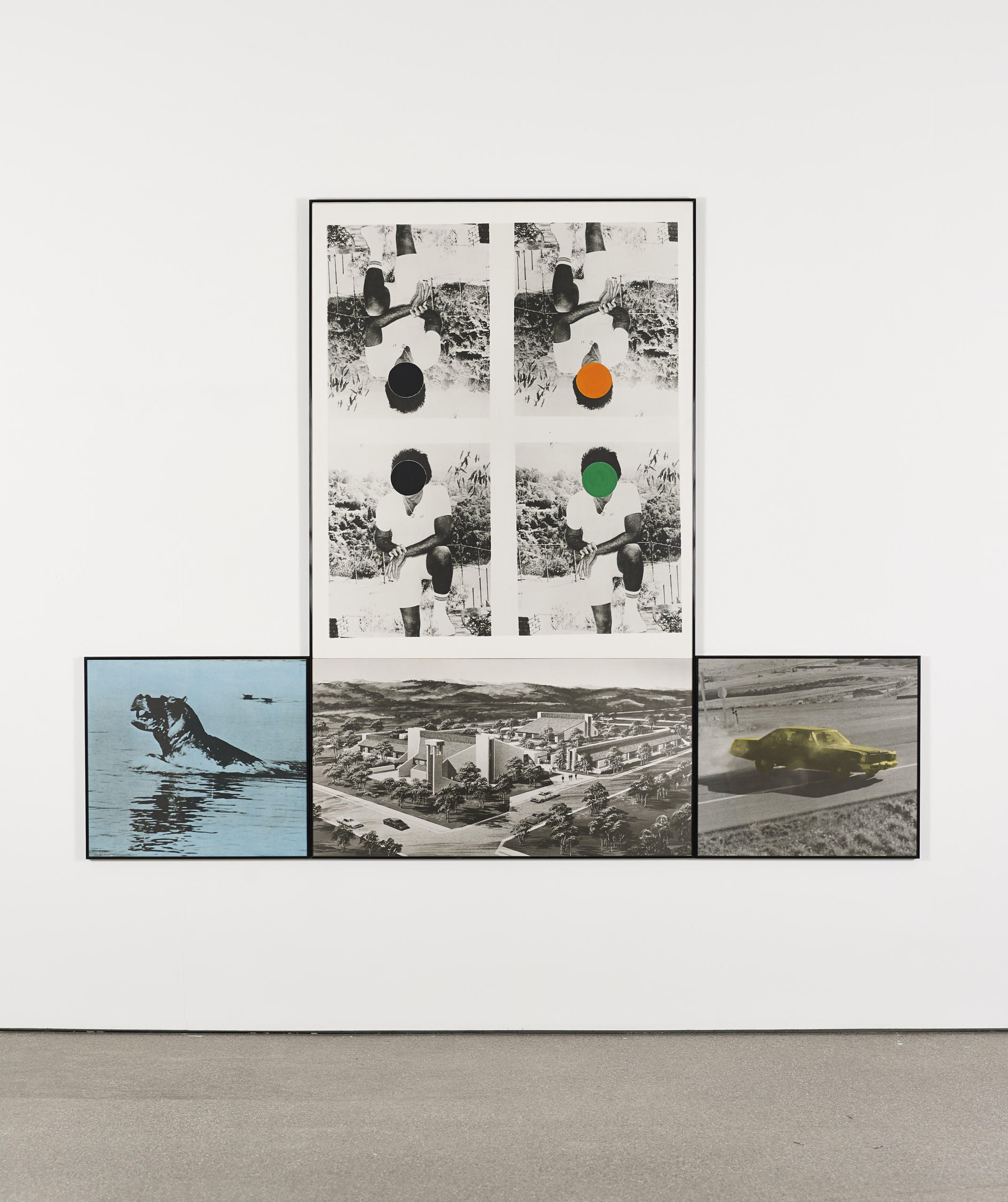
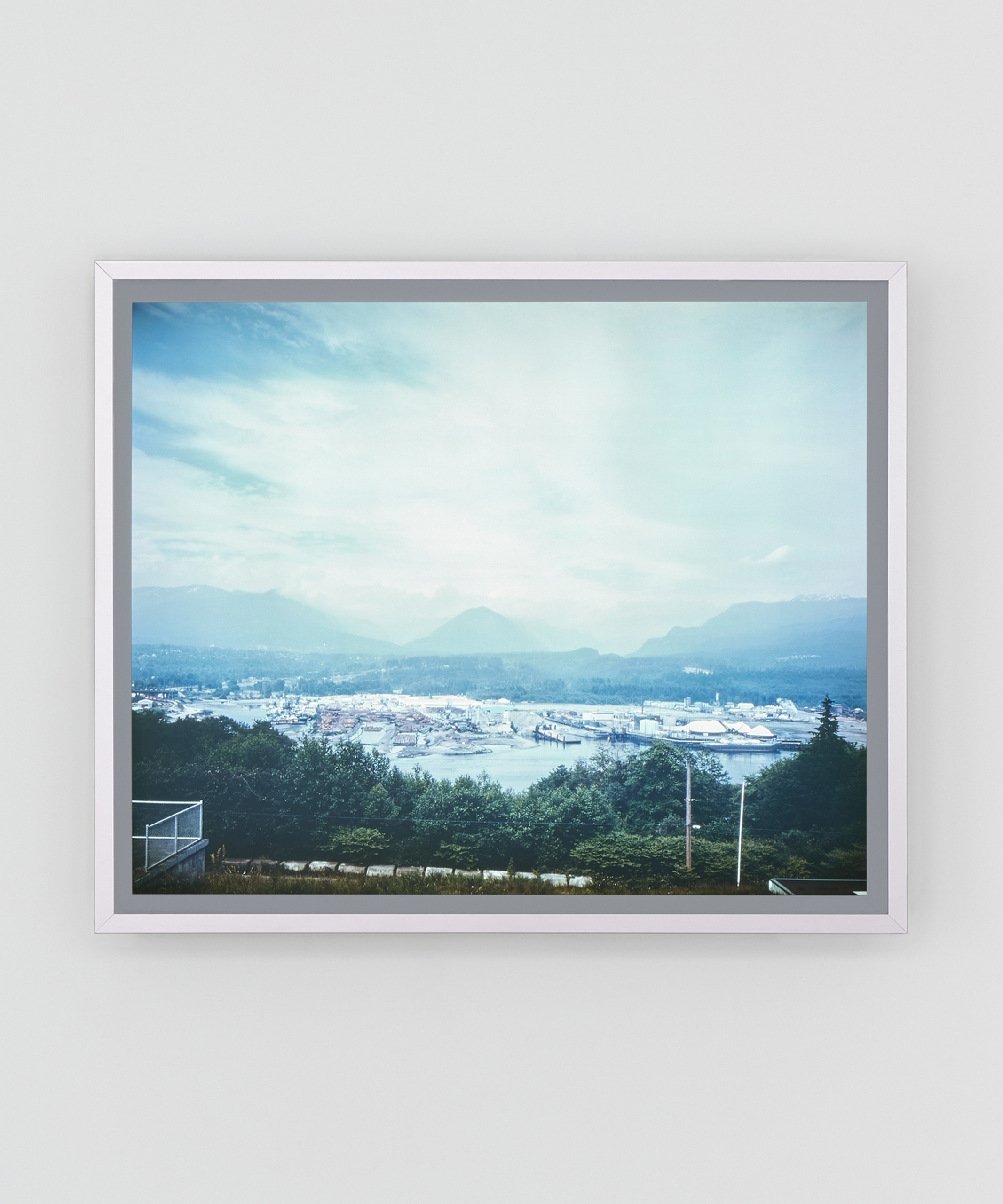
For this year’s presentation at Art Basel we open with John Baldessari, whose 1988 work Rhino / Building / Man x 4 / Car distils the essential logic of an artistic practice spanning six decades: the collision of found imagery, the arbitrary grammar of juxtaposition, the deadpan insistence that meaning is always constructed, never given. We pair this with Jeff Wall‘s 1989 lightbox Coastal Motifs — cinematic, durational, quietly unsettling, lit from within so that what appears documentary gradually reveals itself as deeply choreographed. Together, these two works set the terms for everything that follows.
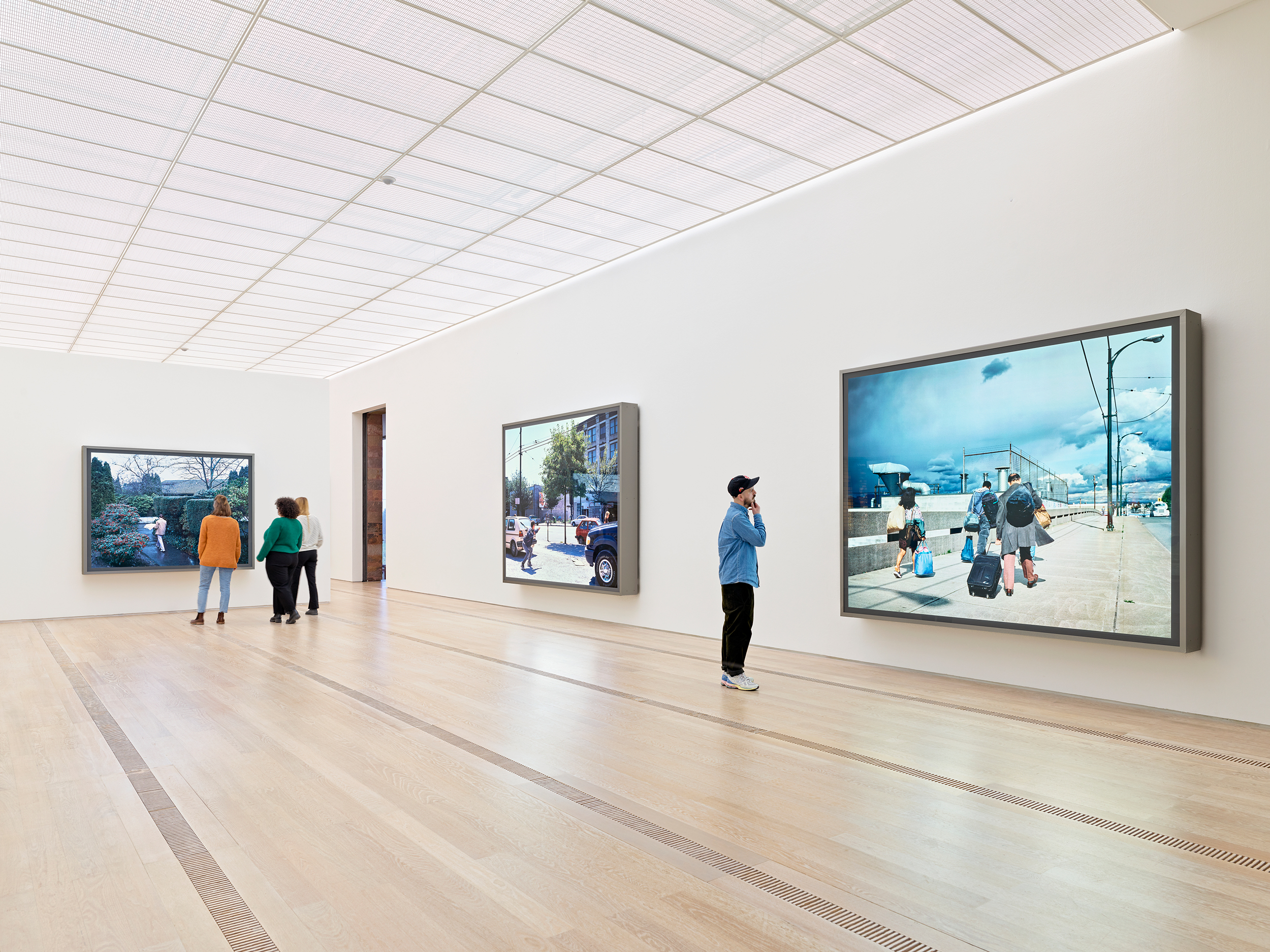
Installation view: Jeff Wall, Fondation Beyeler, Riehen, 2024
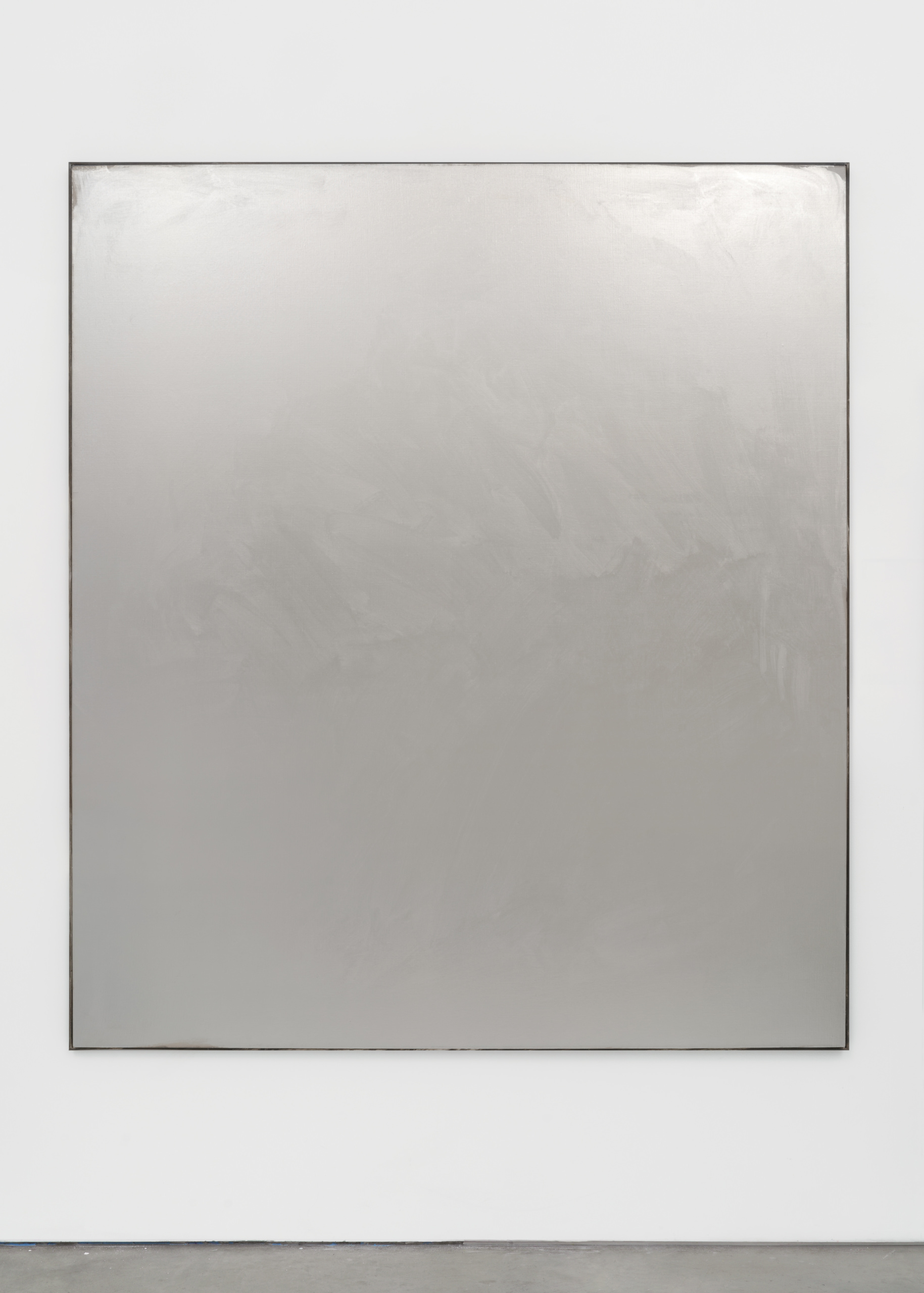
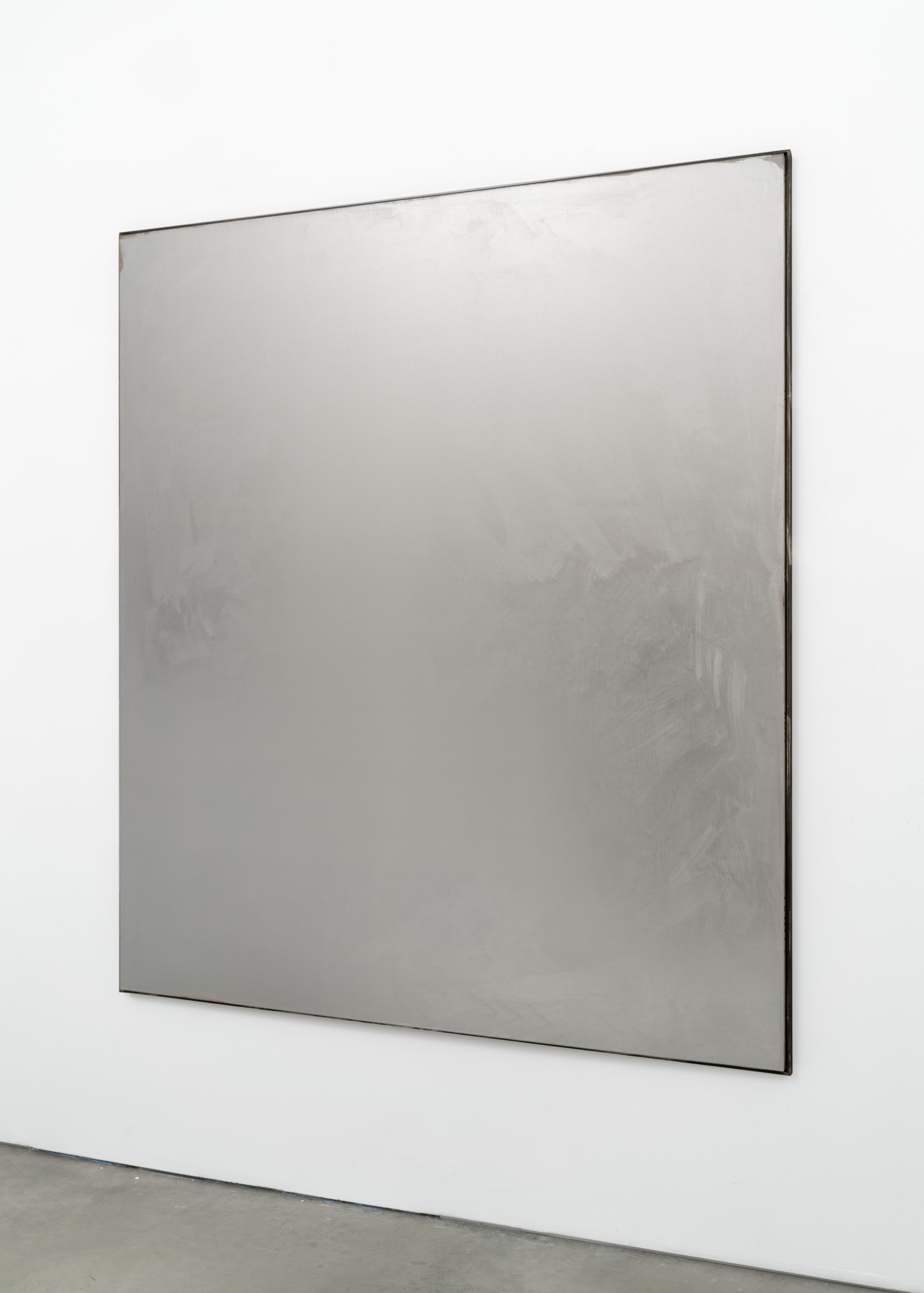
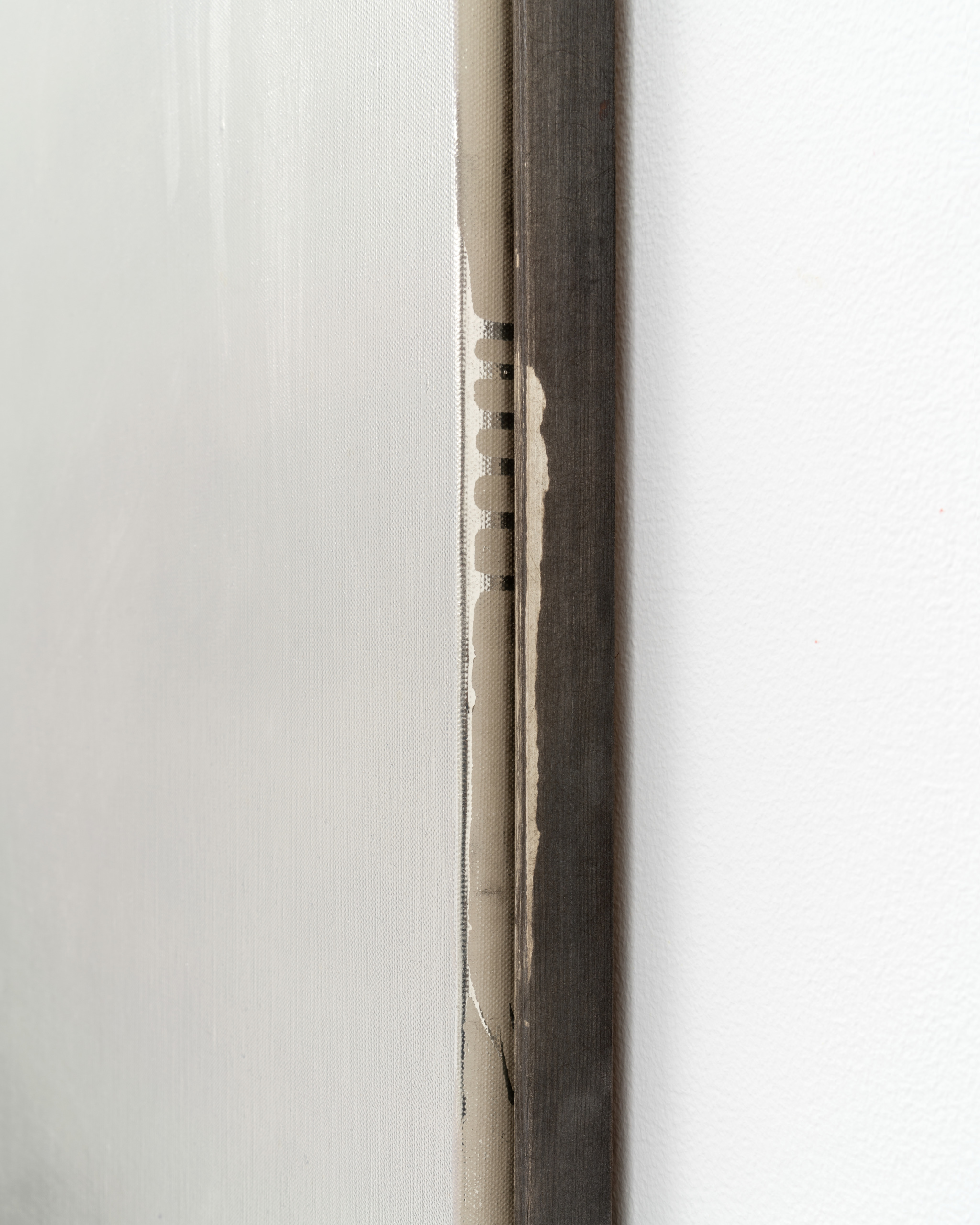
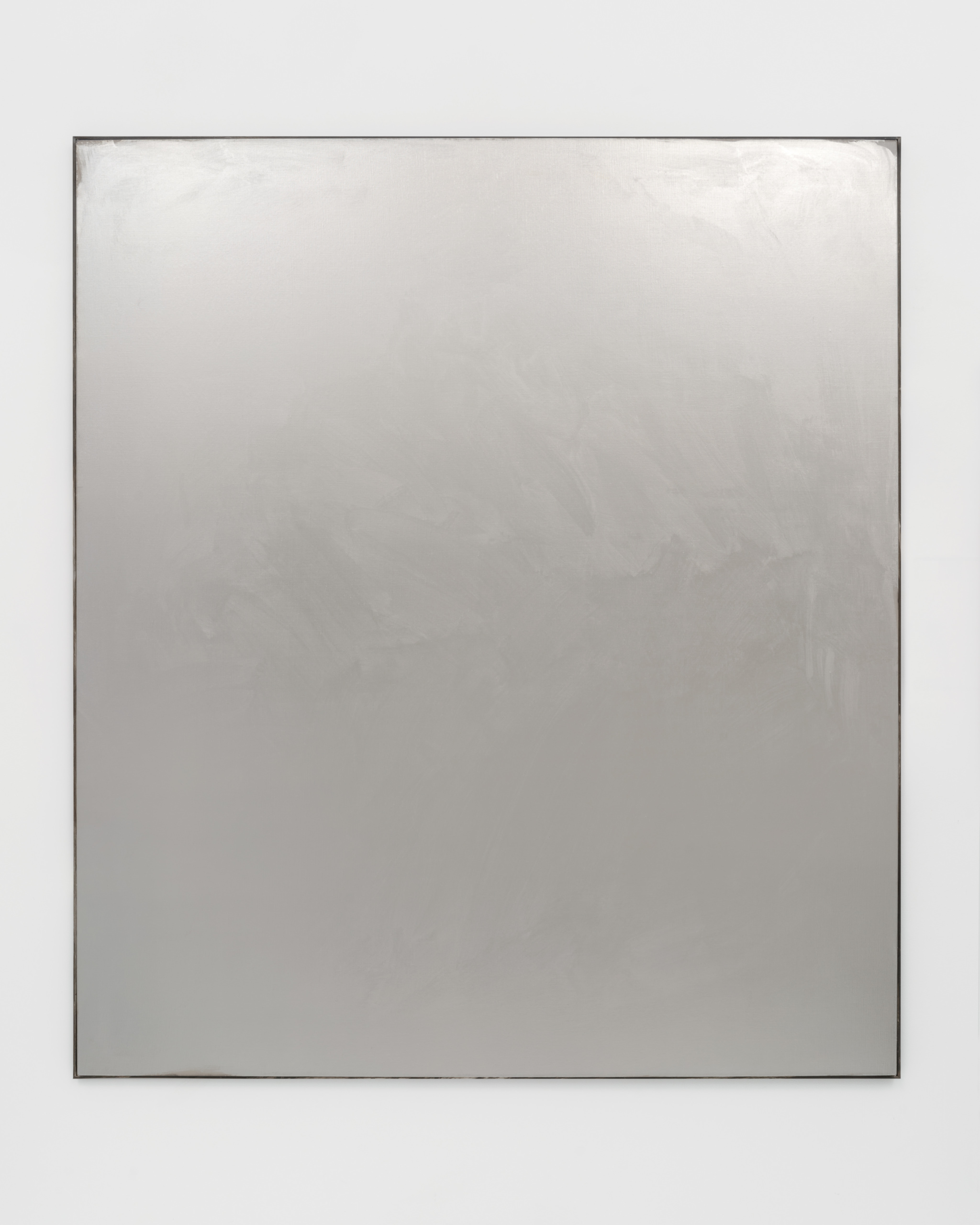
Jacob Kassay‘s large silver-deposit canvas arrives as both answer and provocation. Through electroplating, a process closer to chemistry than to painting, linen becomes a mirror of its surroundings, reflecting viewer and neighbouring works with equal neutrality. Sol LeWitt‘s large work on paper from the Irregular Curves series (2000) operates from a structurally similar conviction: the instruction is the work, yet what results carries a sensuous, almost biological energy that no ruleset quite anticipates. Separated by decades and radically different processes, these two works share the belief that the generative system and its material outcome are inseparable.
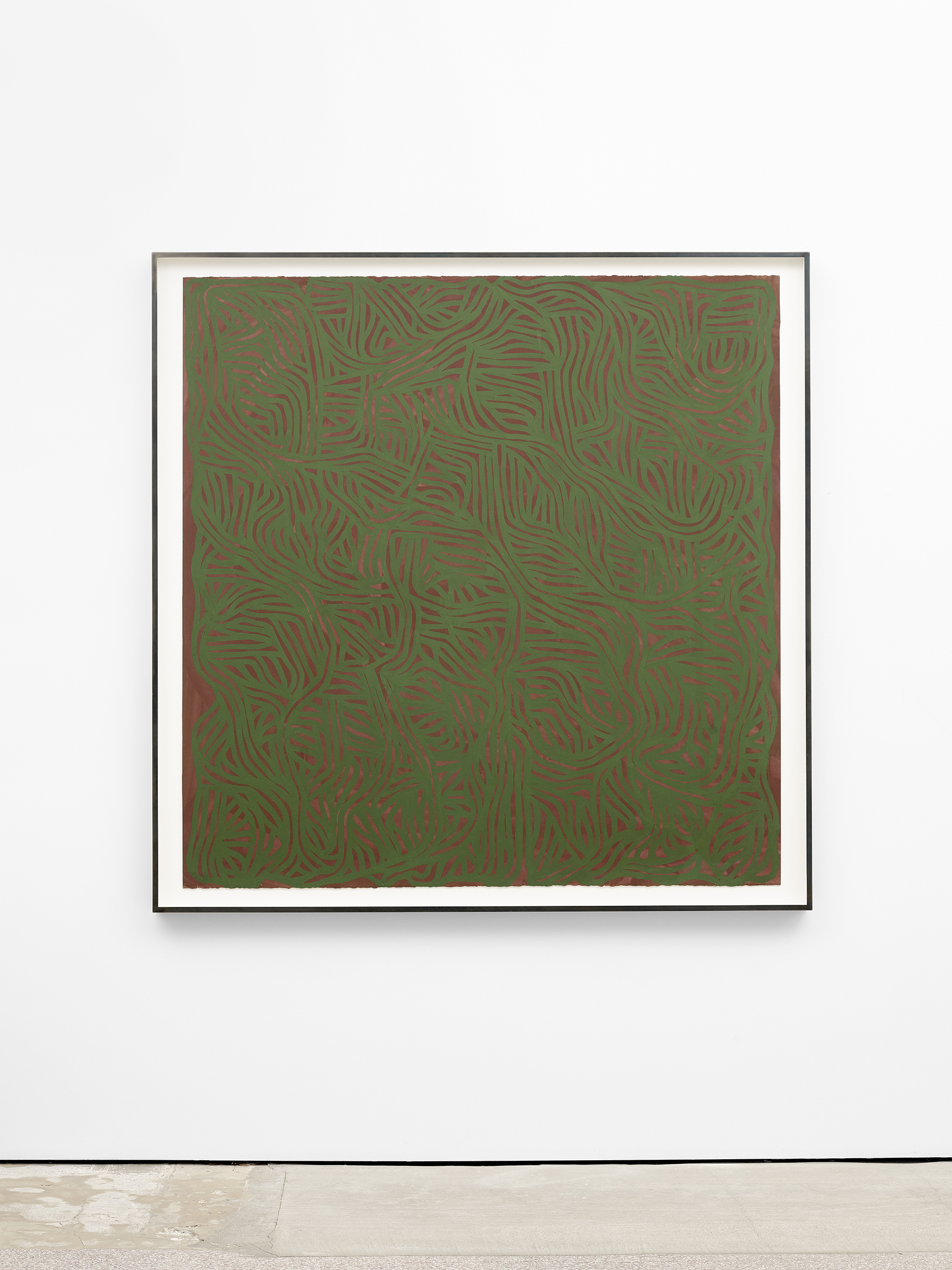
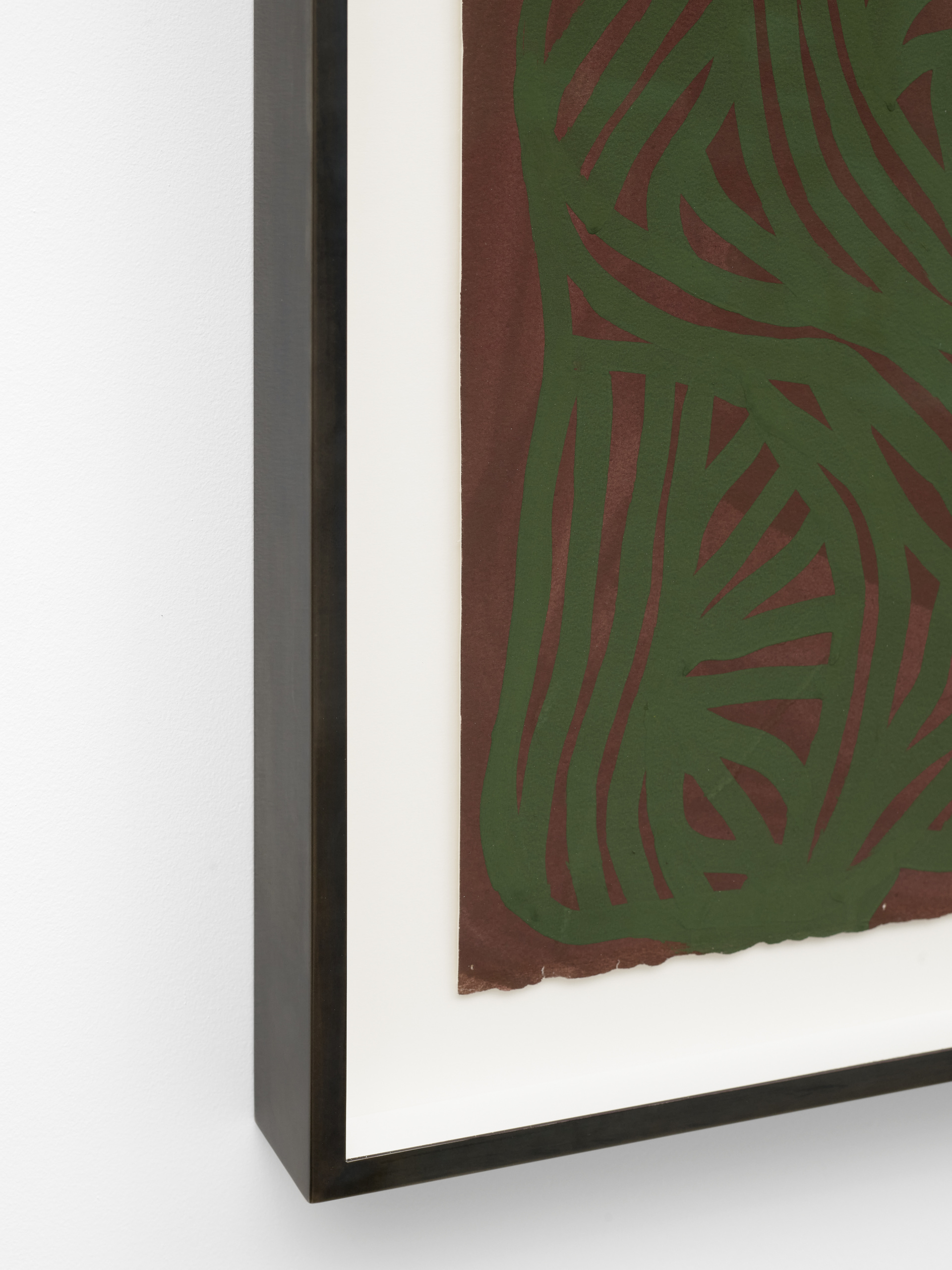
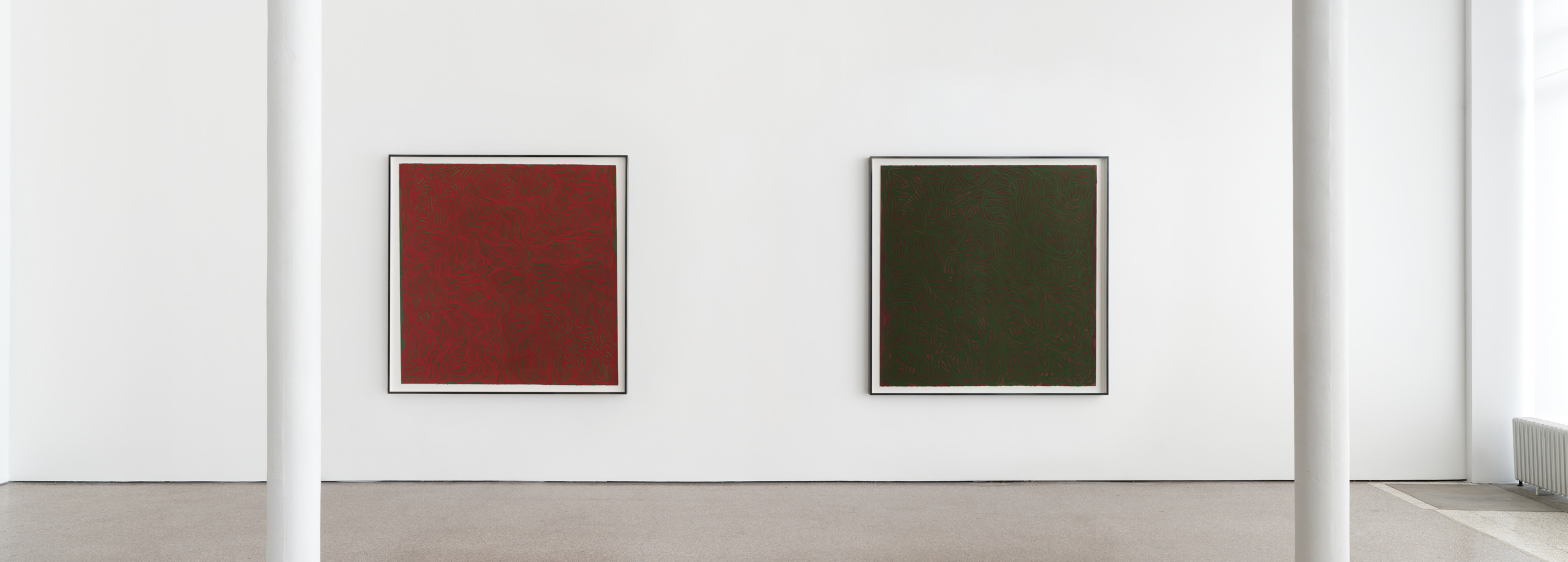
Installation view, Sol LeWitt: Bands, Curves and Brushstrokes, Galerie Greta Meert, 2025
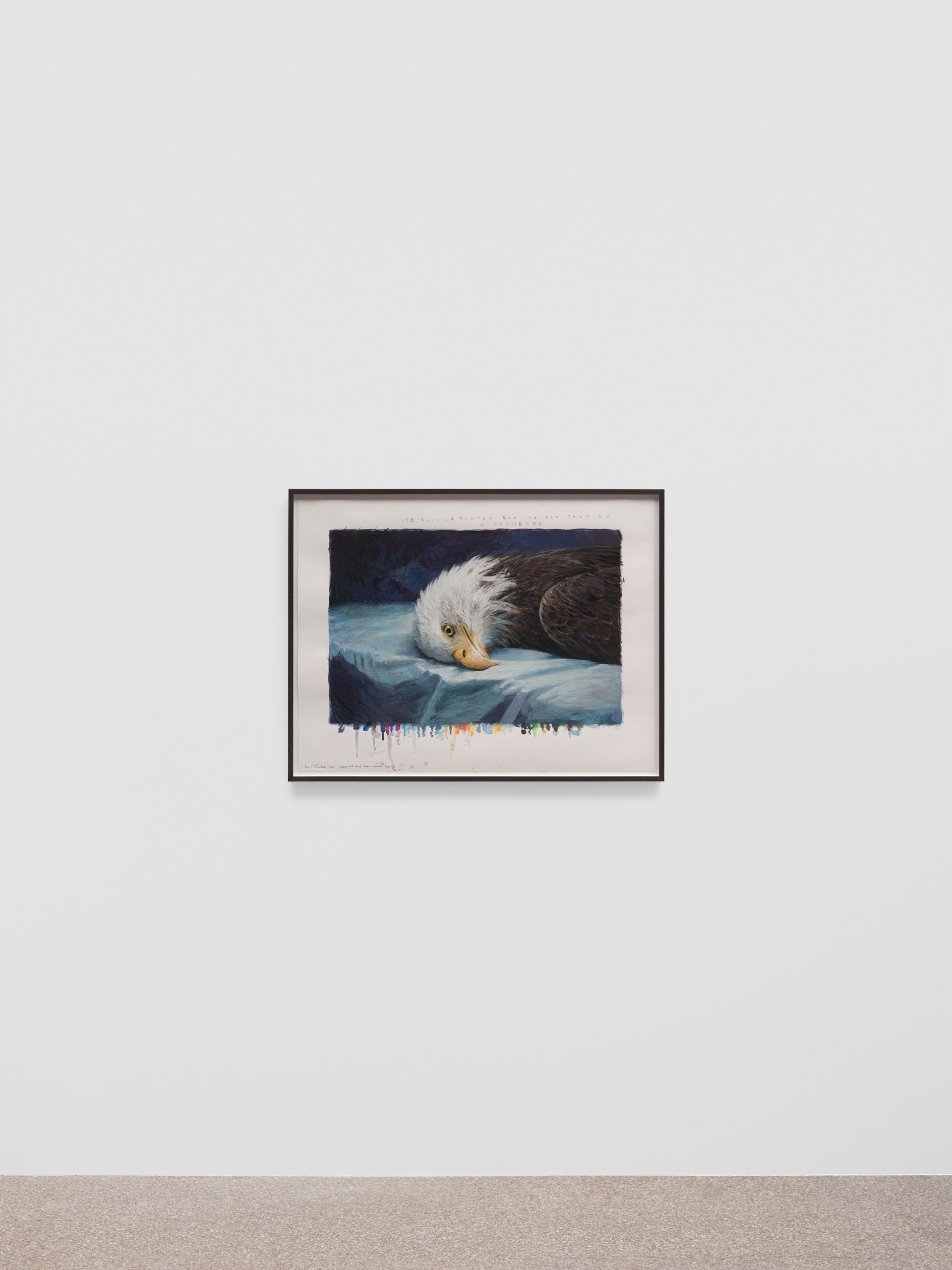
Eagle Eye (Drawing), originates from the laborious frame-by-frame animation process underlying the video work of the same name, a study in attention as much as technique. Working from found footage of rescue raptors, David Claerbout progressively constructed the image of an immobilised bald eagle through hand-drawn animation supported by generative AI, each frame negotiating between organic observation and computational inference. The drawing isolates what the video performs across hours: the uncanny stillness of a creature whose body has been rendered inert yet whose gaze remains mercilessly alert. In researching the eagle’s double eyelid, an apparatus evolved to keep vision continuous without blinking, Claerbout found an analogy for a new kind of seeing: stripped of agency, enduring, and total. The drawing is thus both document and distillation, preserving the research’s central tension between biological life, artificial intelligence, and the haunting persistence of the watching eye.
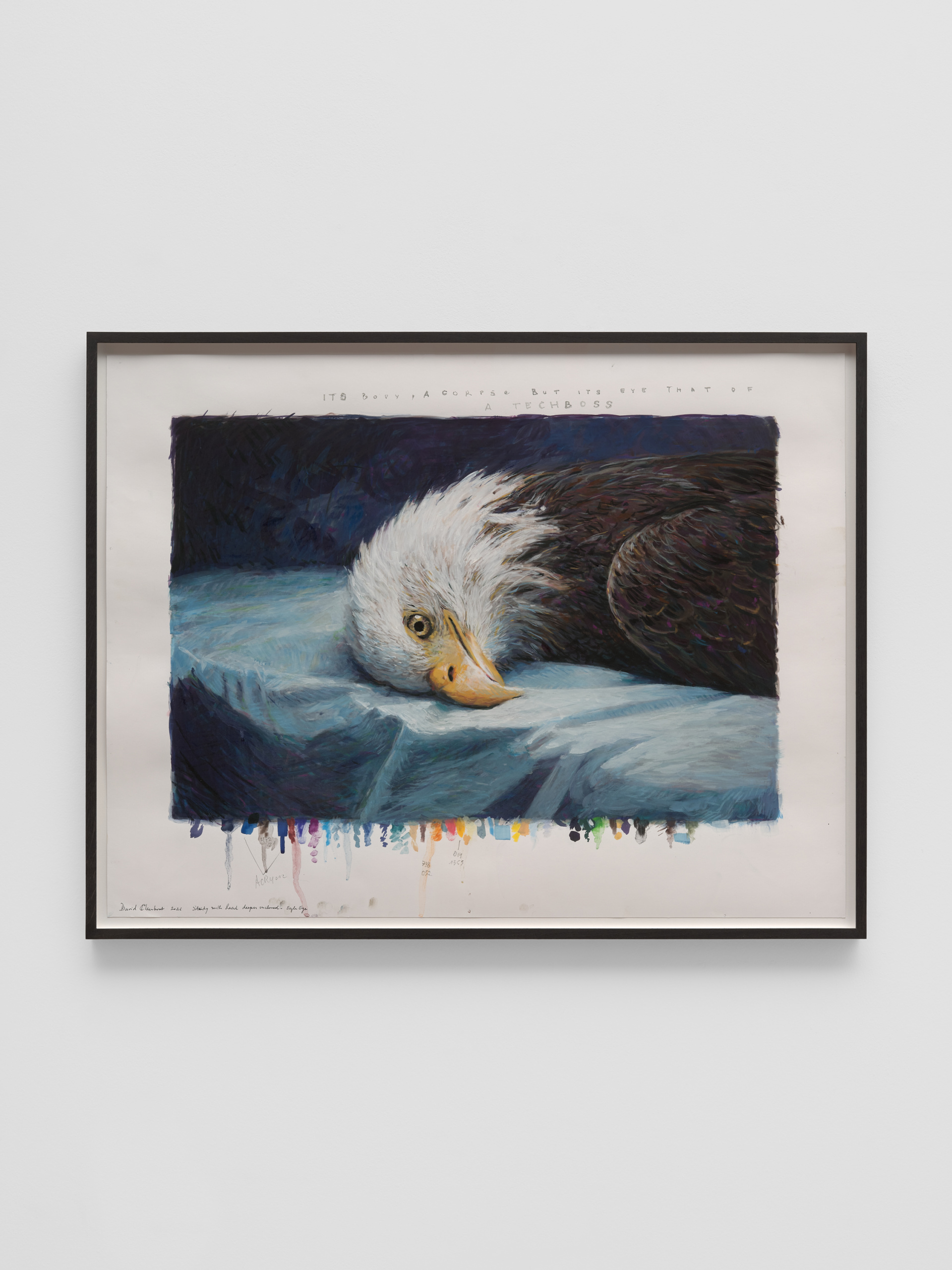
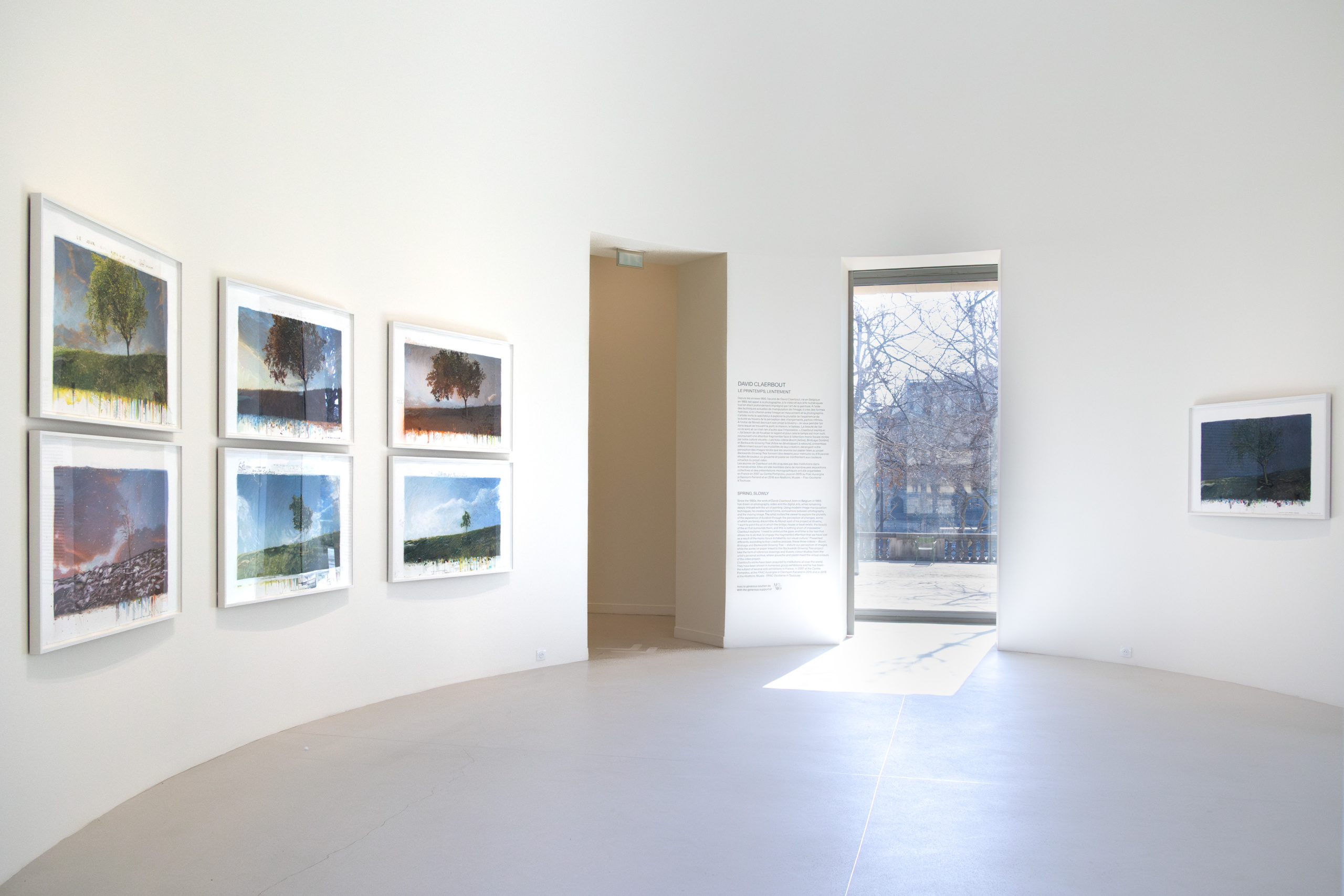
Installation view, David Claerbout: Le printemps, lentement, Musée de l’Orangerie, 2025
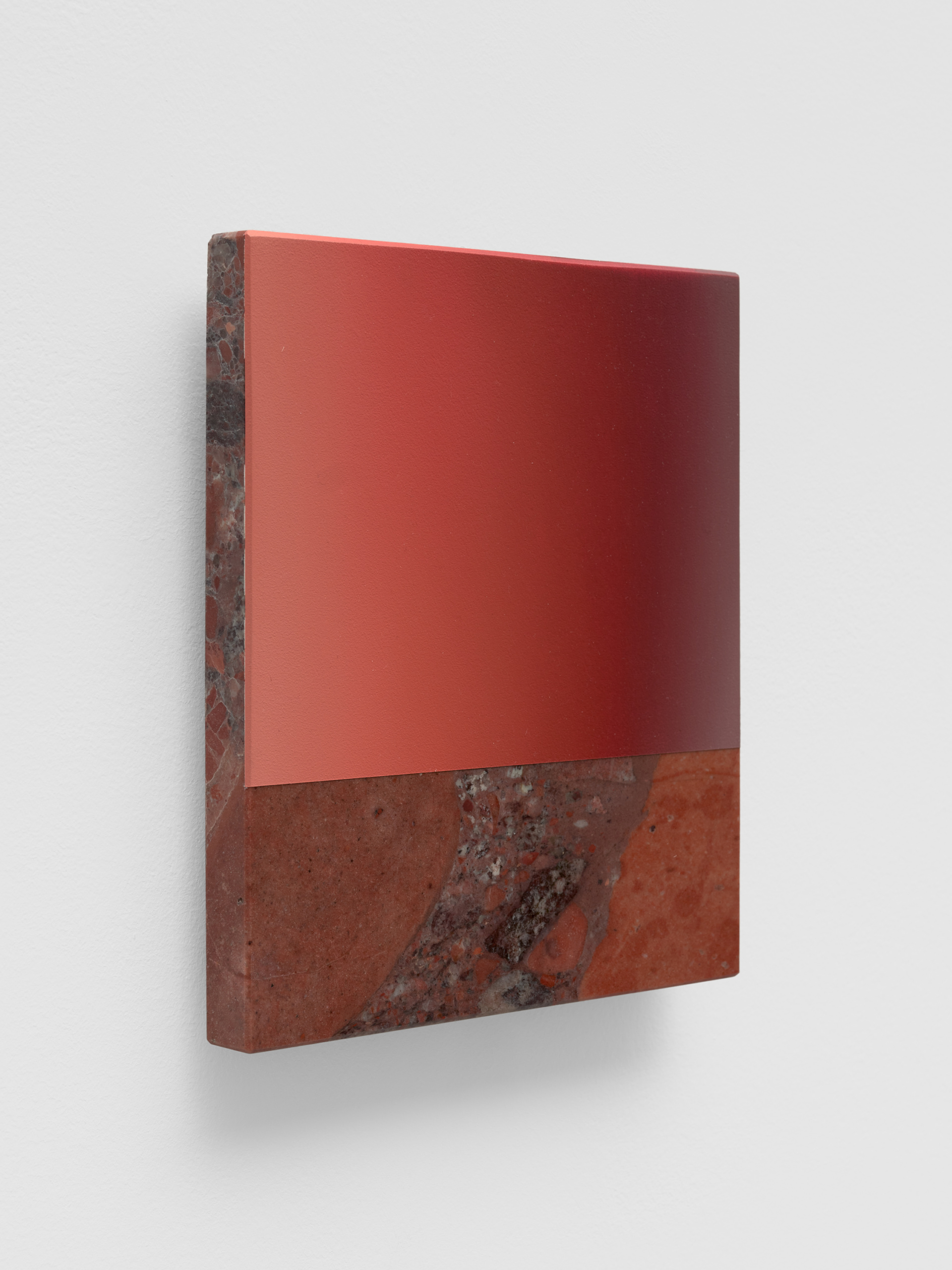
Pieter Vermeersch‘s recent oil-on-marble works, also the subject of his current solo exhibition with us, introduce a geological patience that feels entirely right in this context. Paint on stone: two materials that already carry time within them, layered in gradients so slow they seem to breathe. Jean-Luc Moulène follows, represented here across photography, sculpture and ink on panel, each mode testing the limits of what an object can be asked to signify. His practice operates at the intersection of formal precision and radical strangeness — always negotiating, never resolving. Louise Lawler‘s It Spins (2023), which zooms into a detail of Duchamp’s bicycle wheel, closes this sequence with elegant wit: the readymade re-readymade, representation folded back into itself.
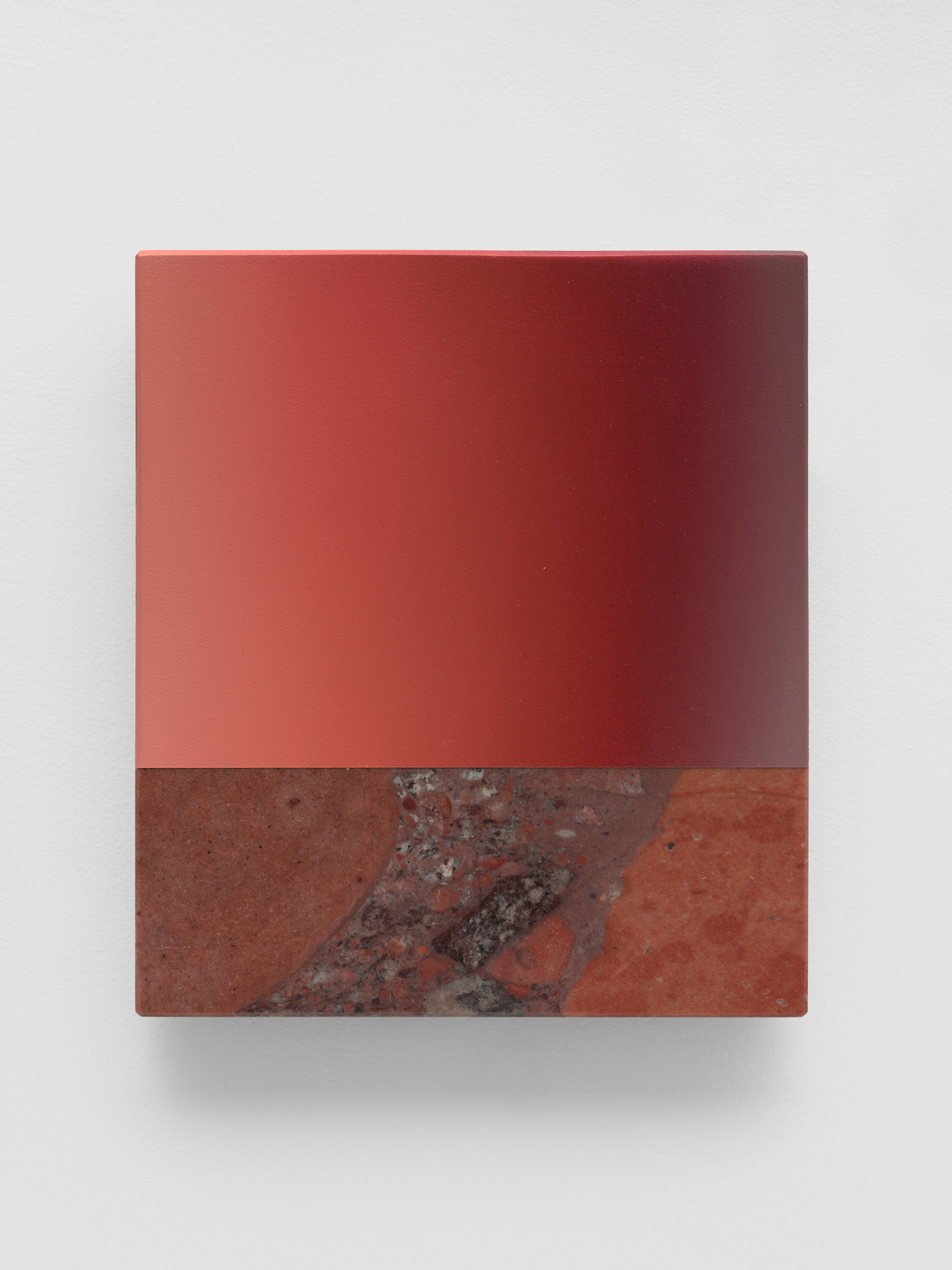
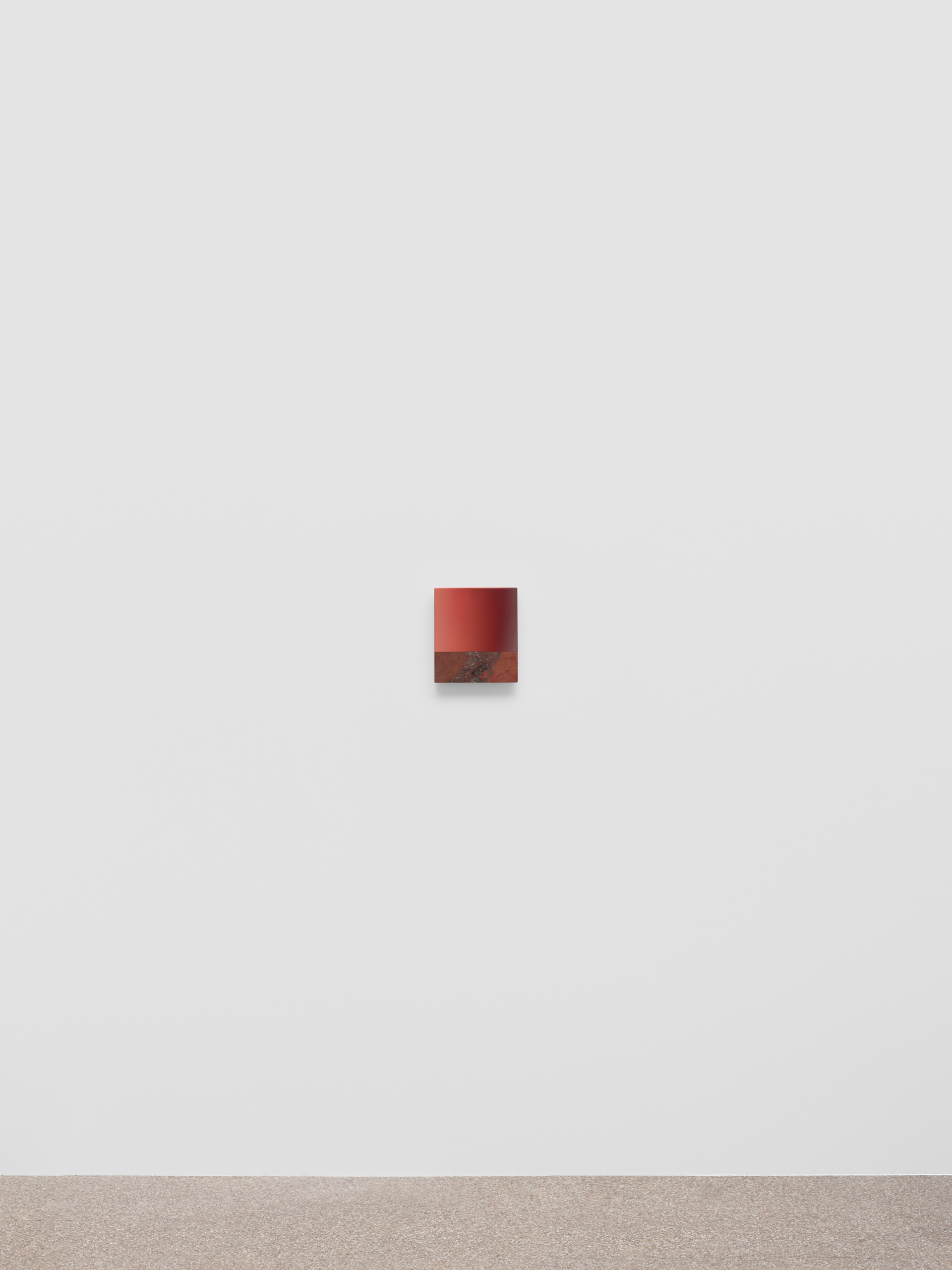
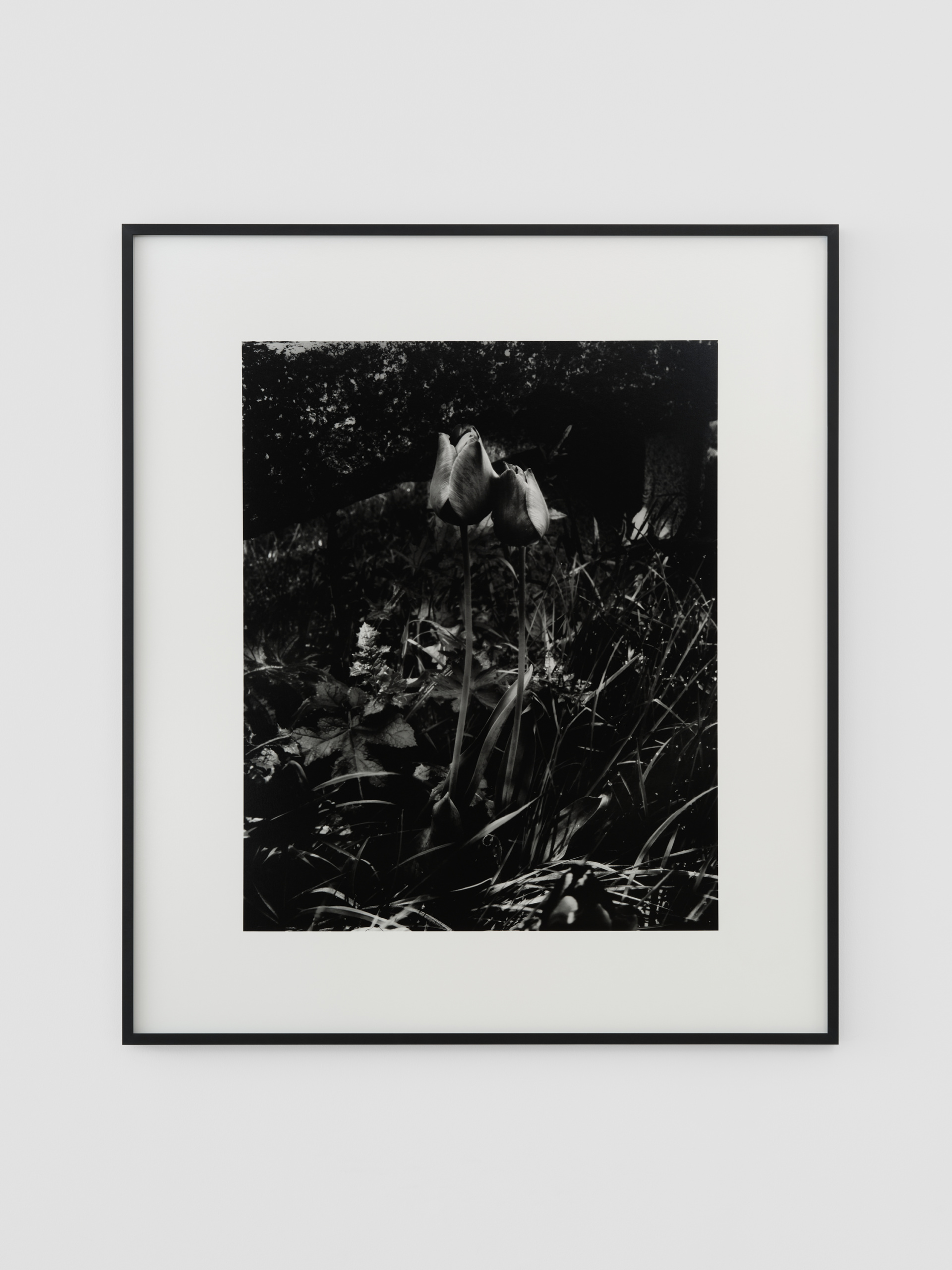
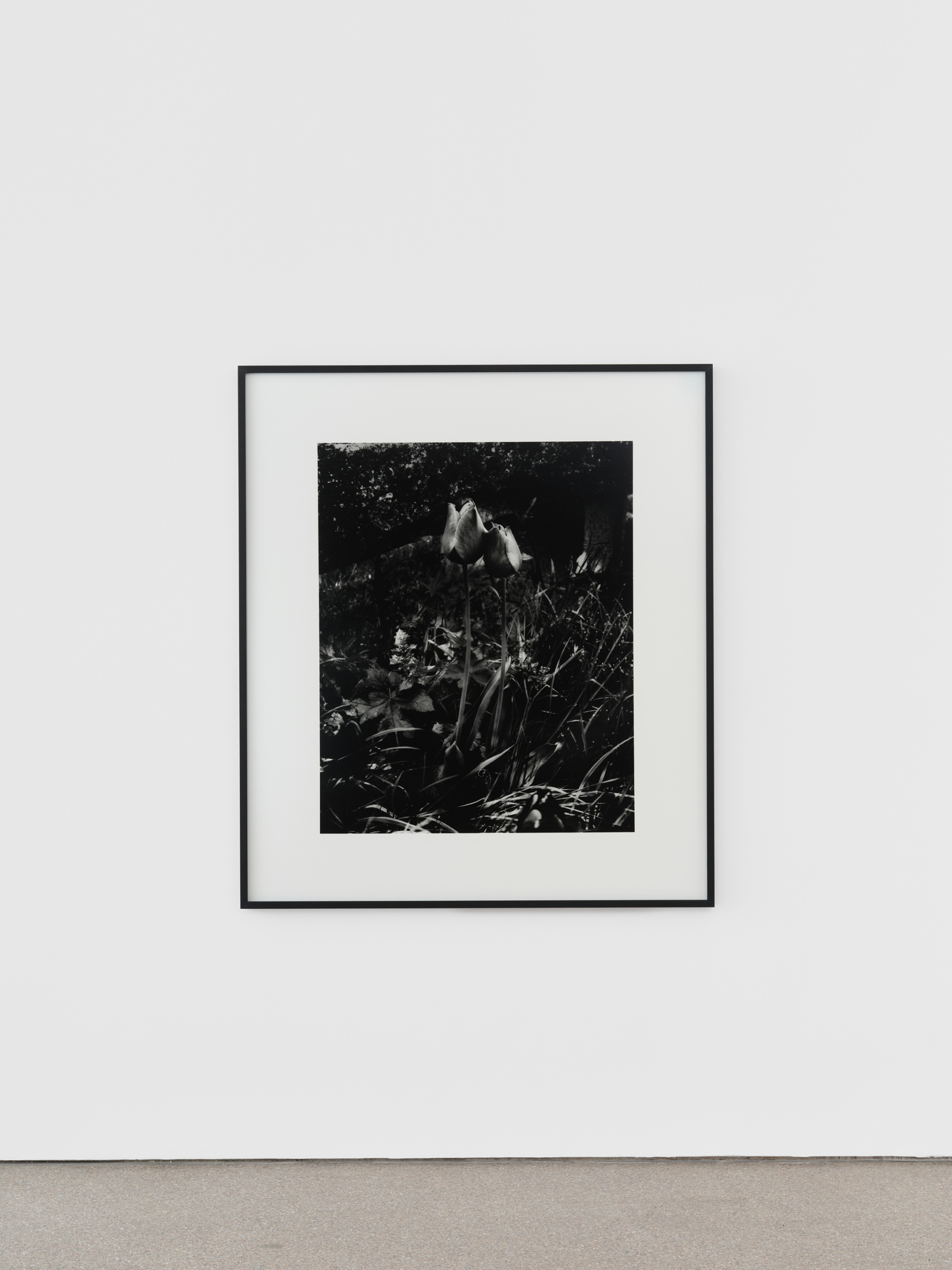
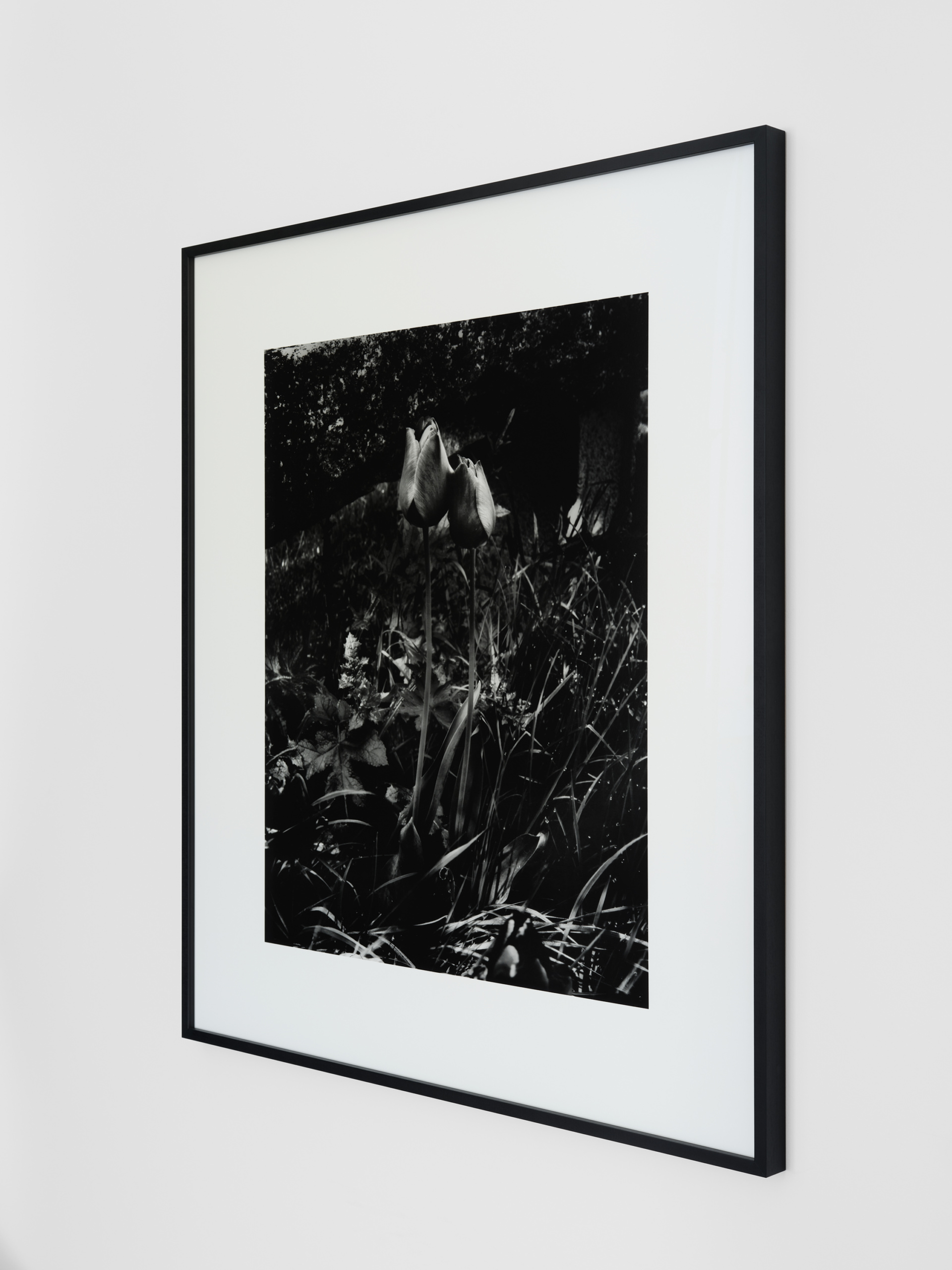
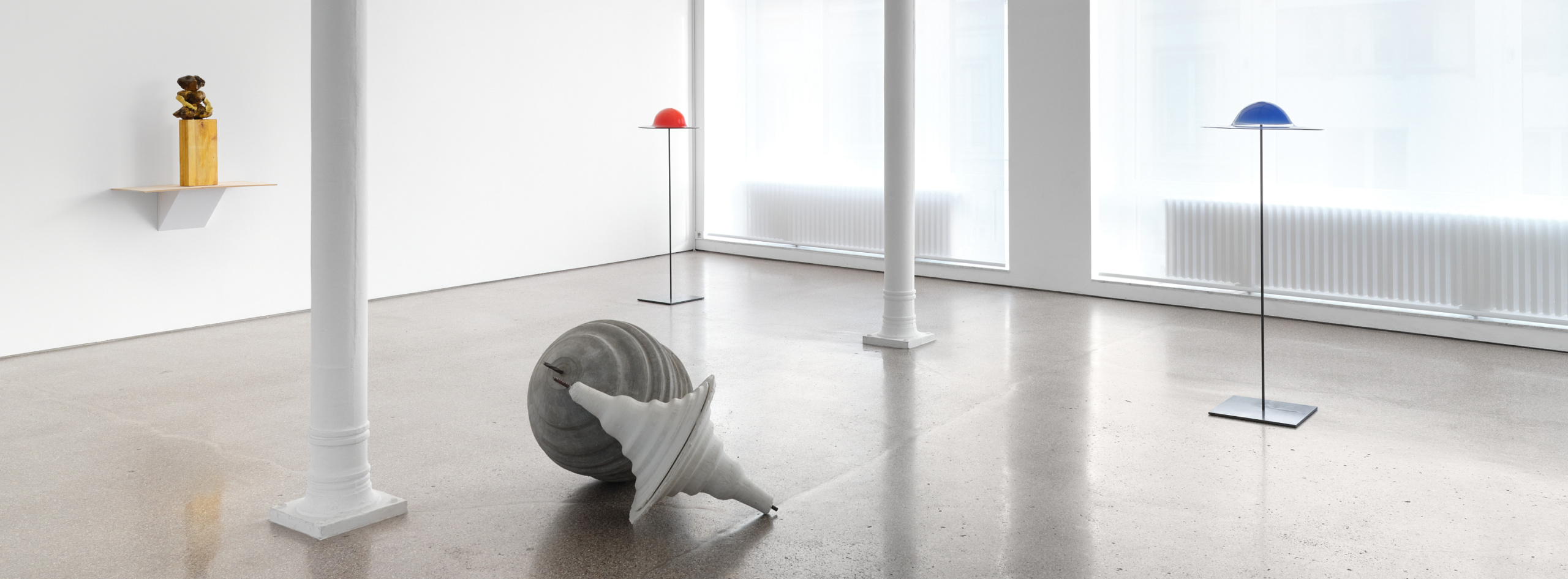
Installation view: Jean-Luc Moulène, Galerie Greta Meert, 2025
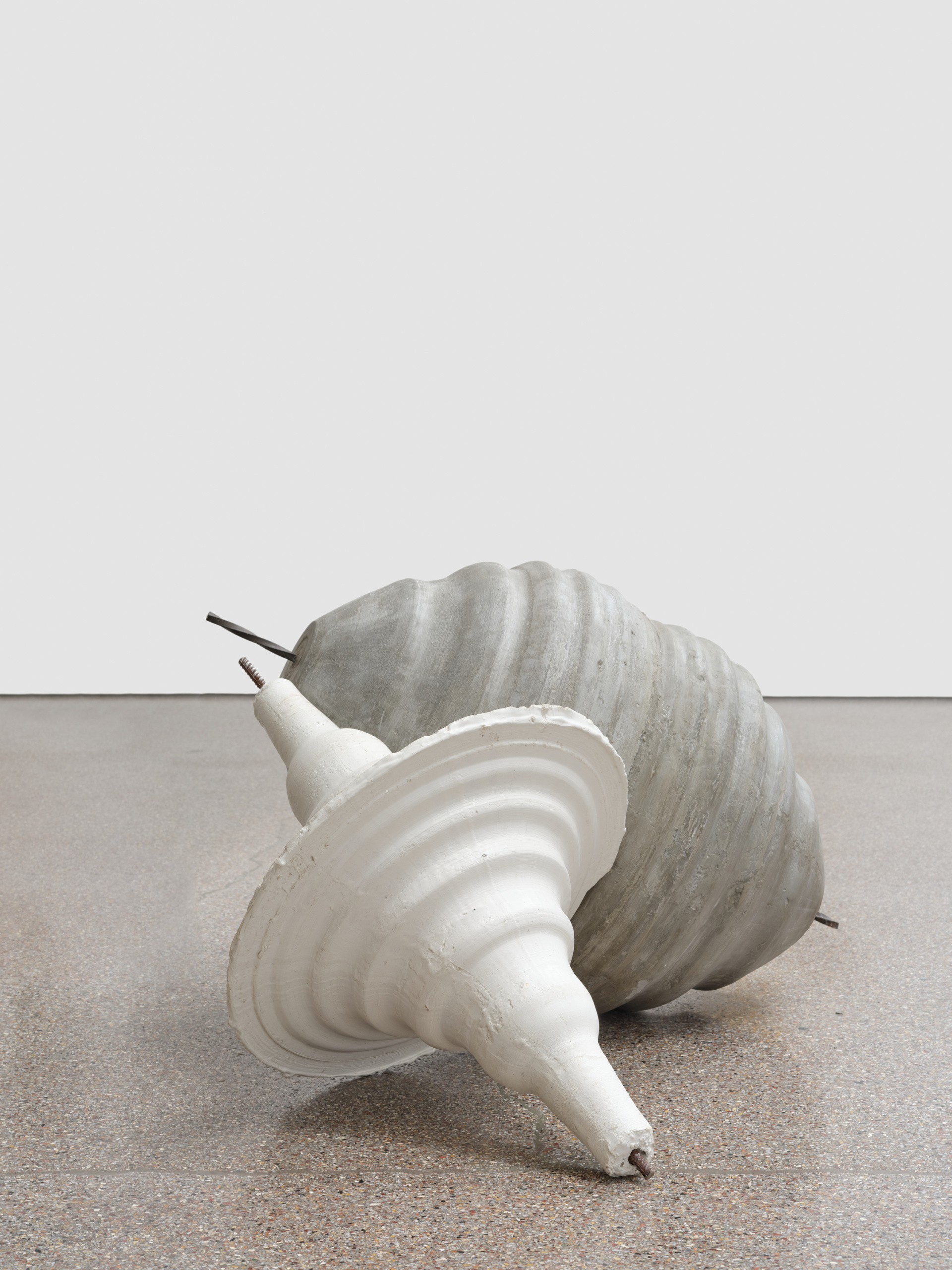
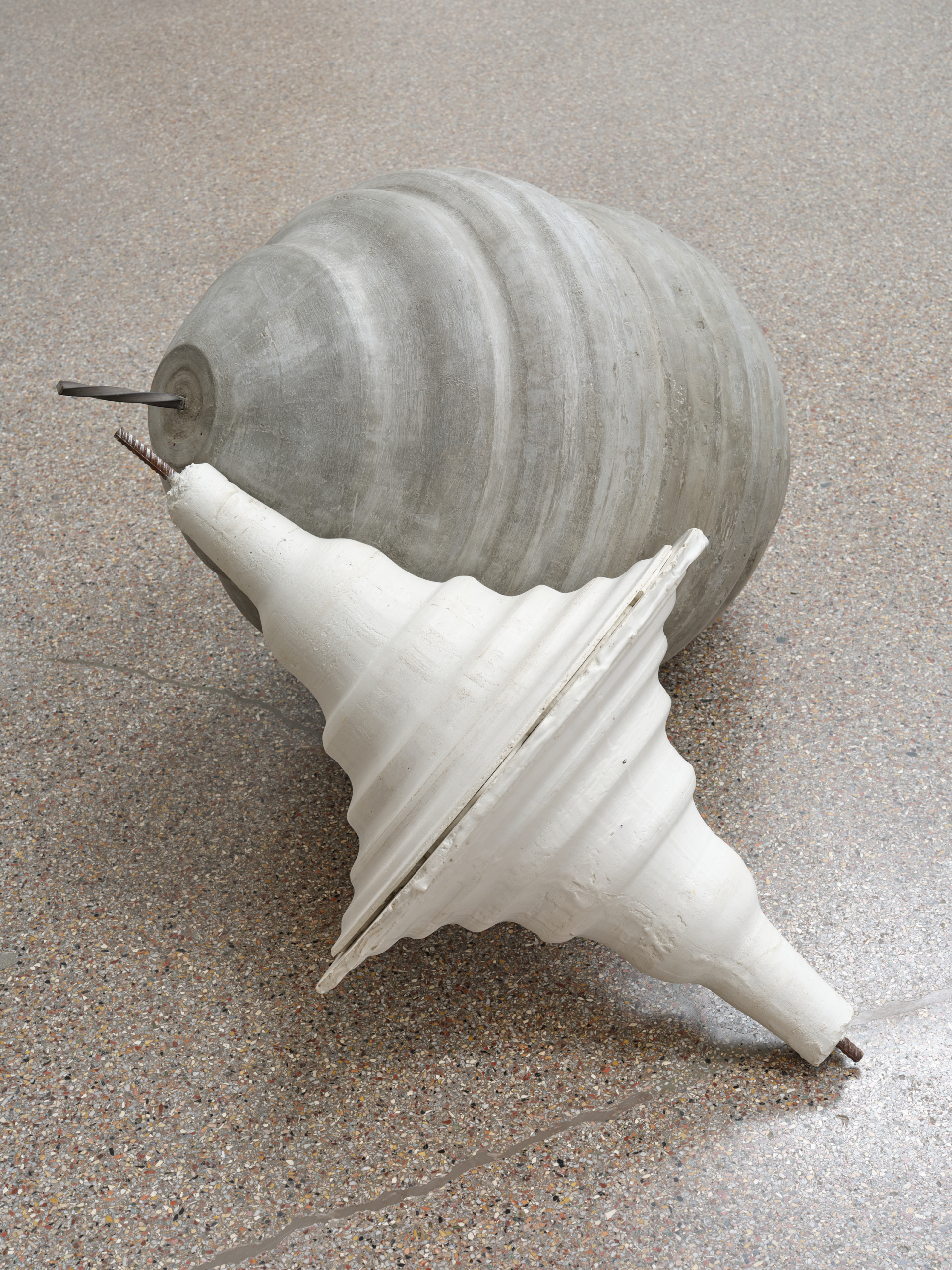
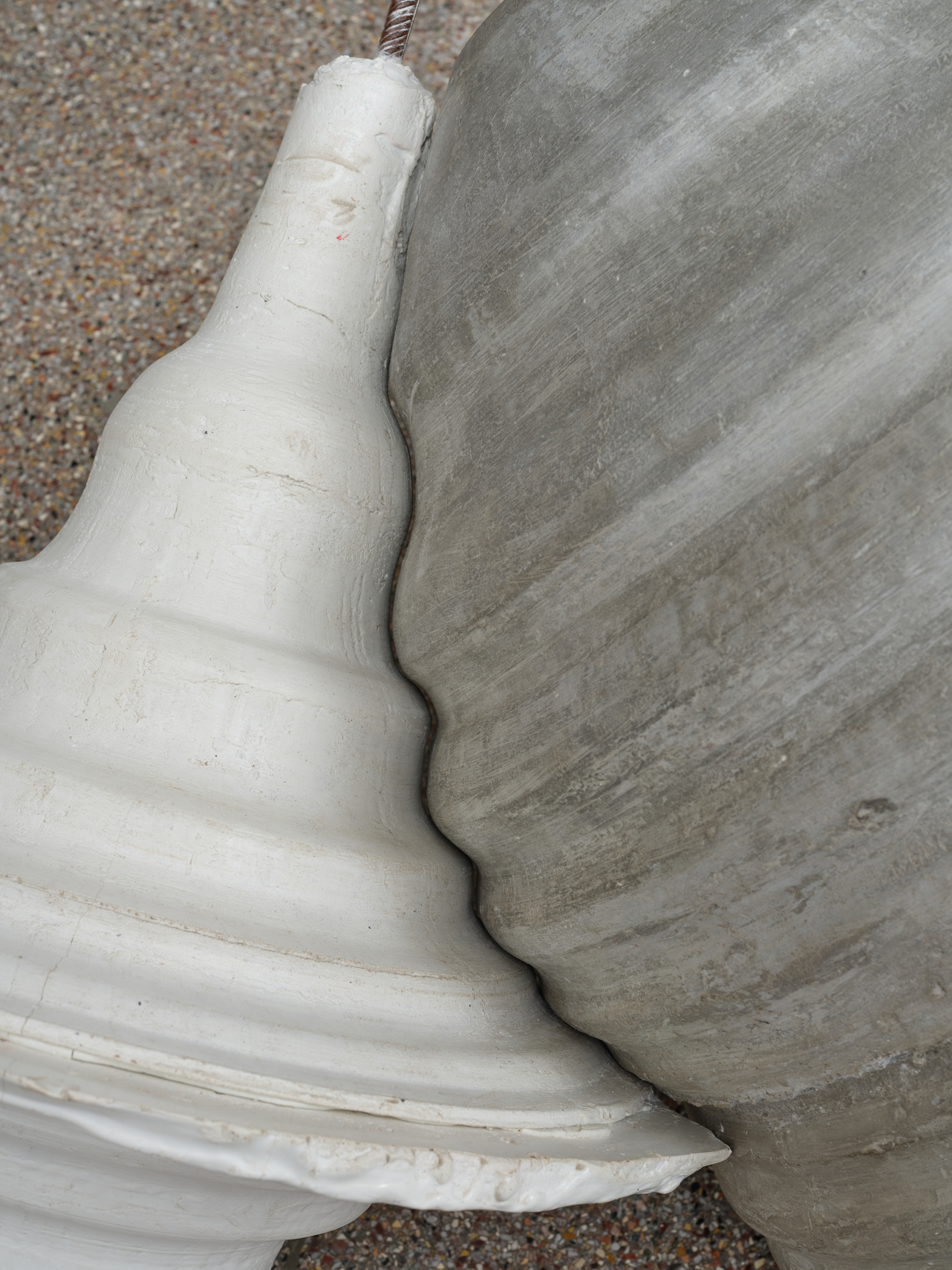
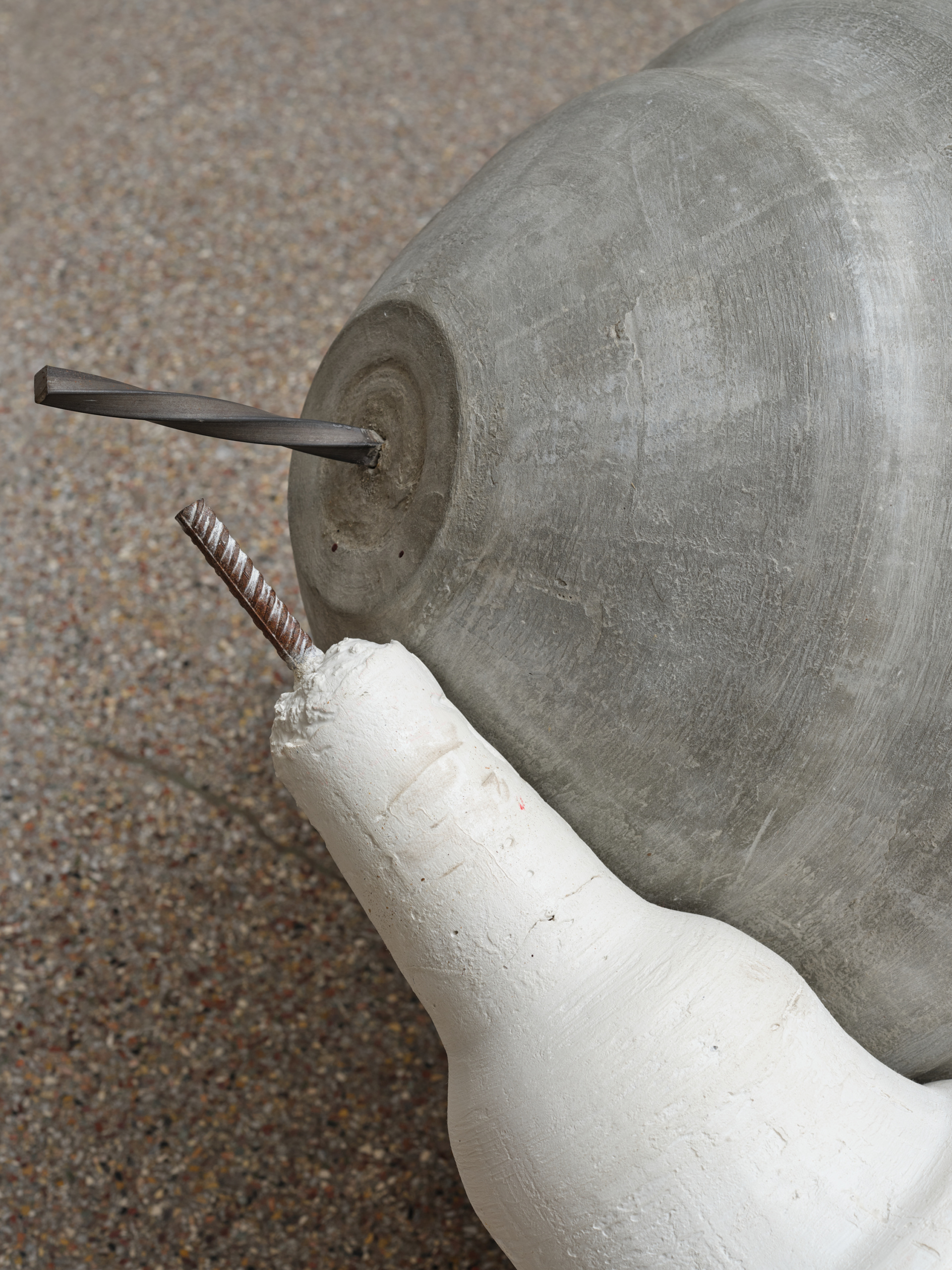
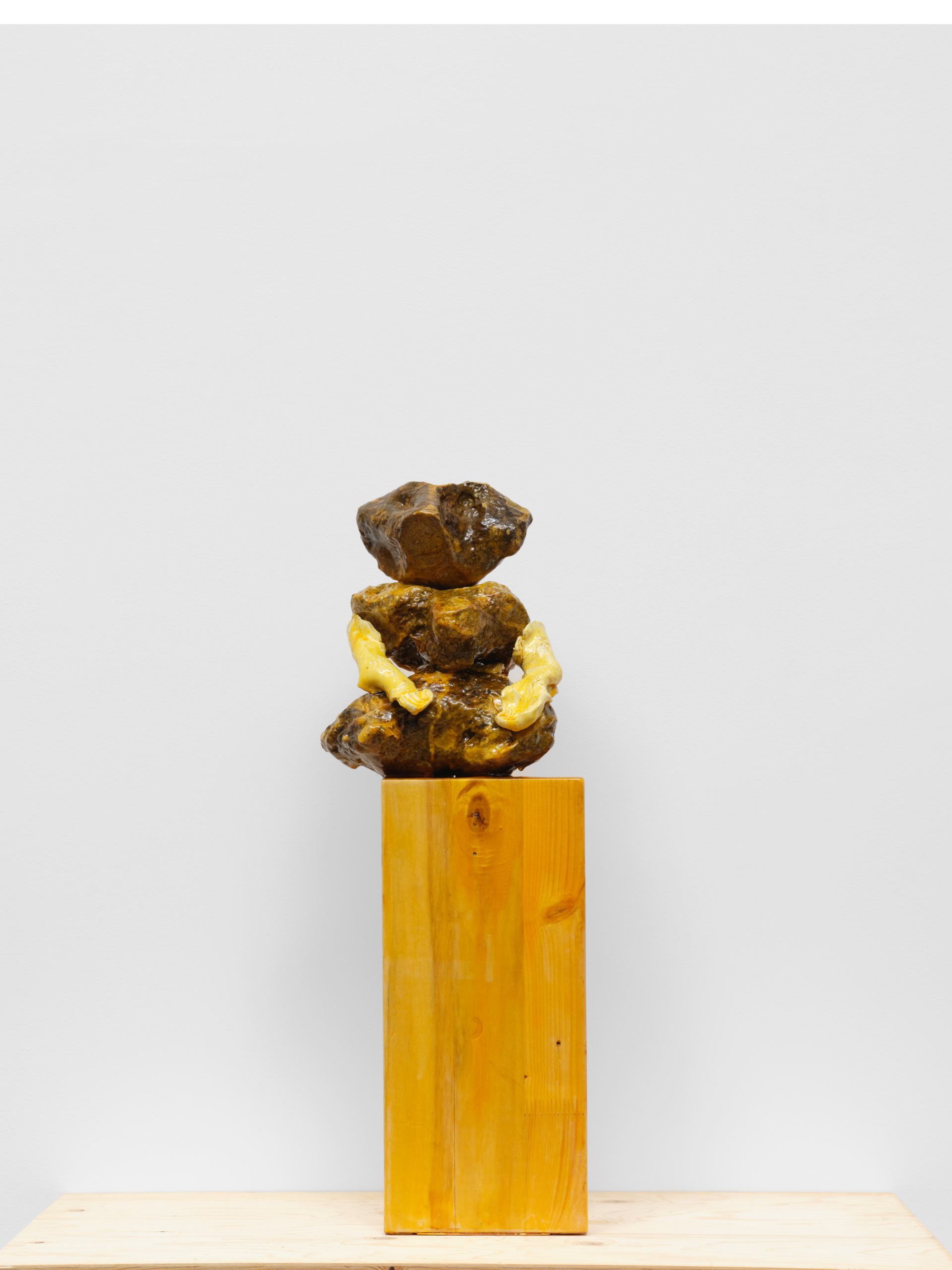
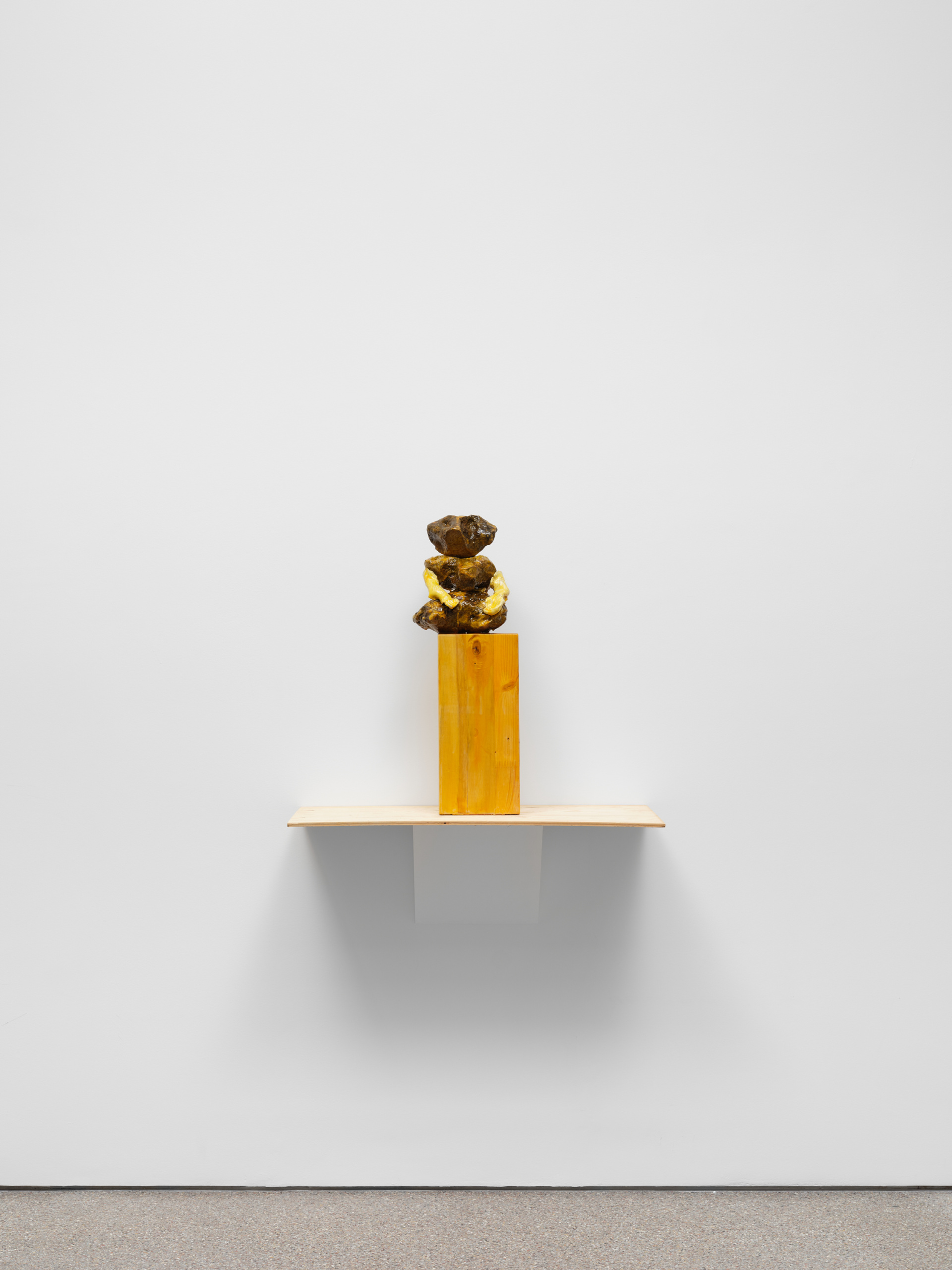
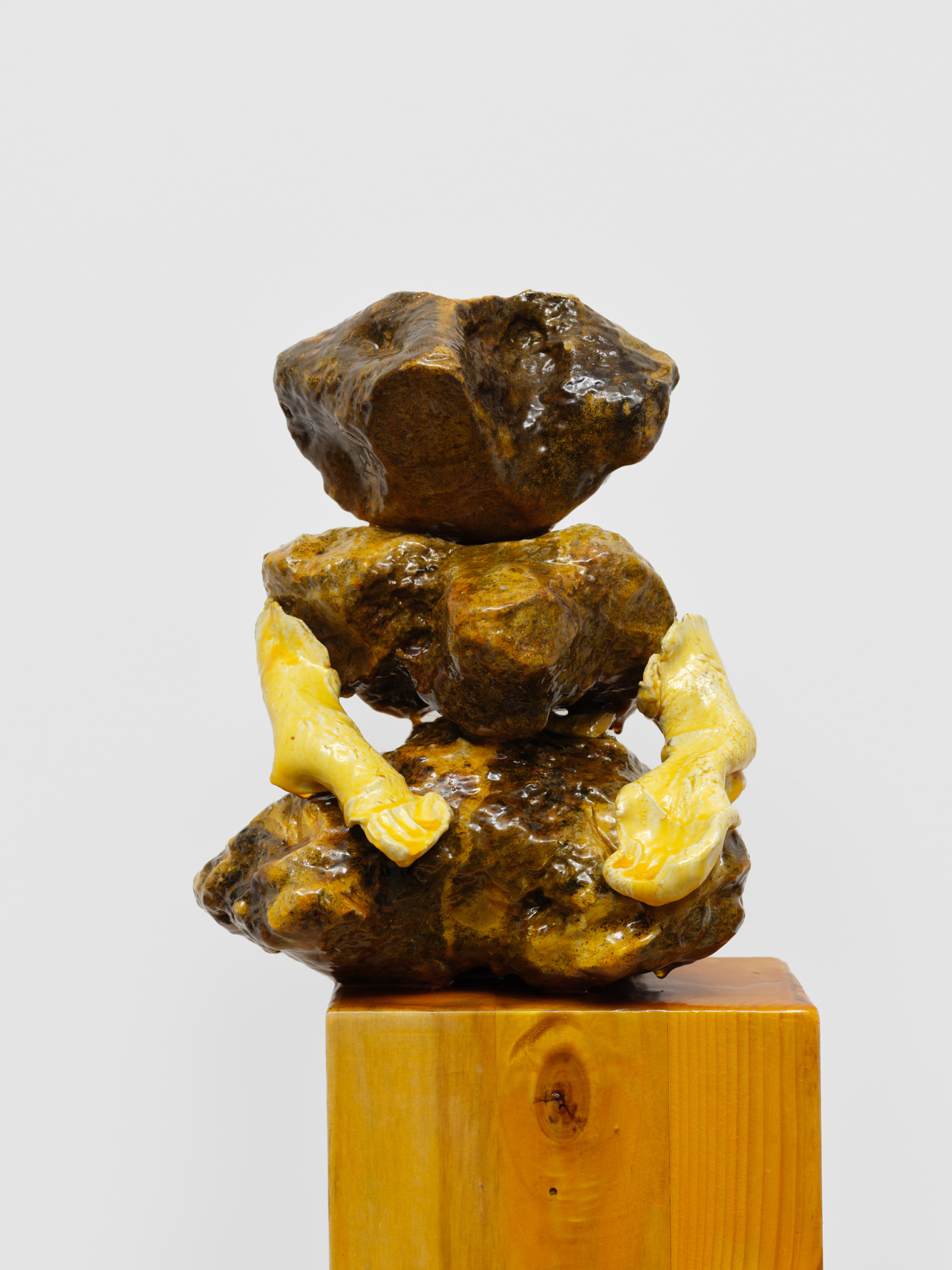
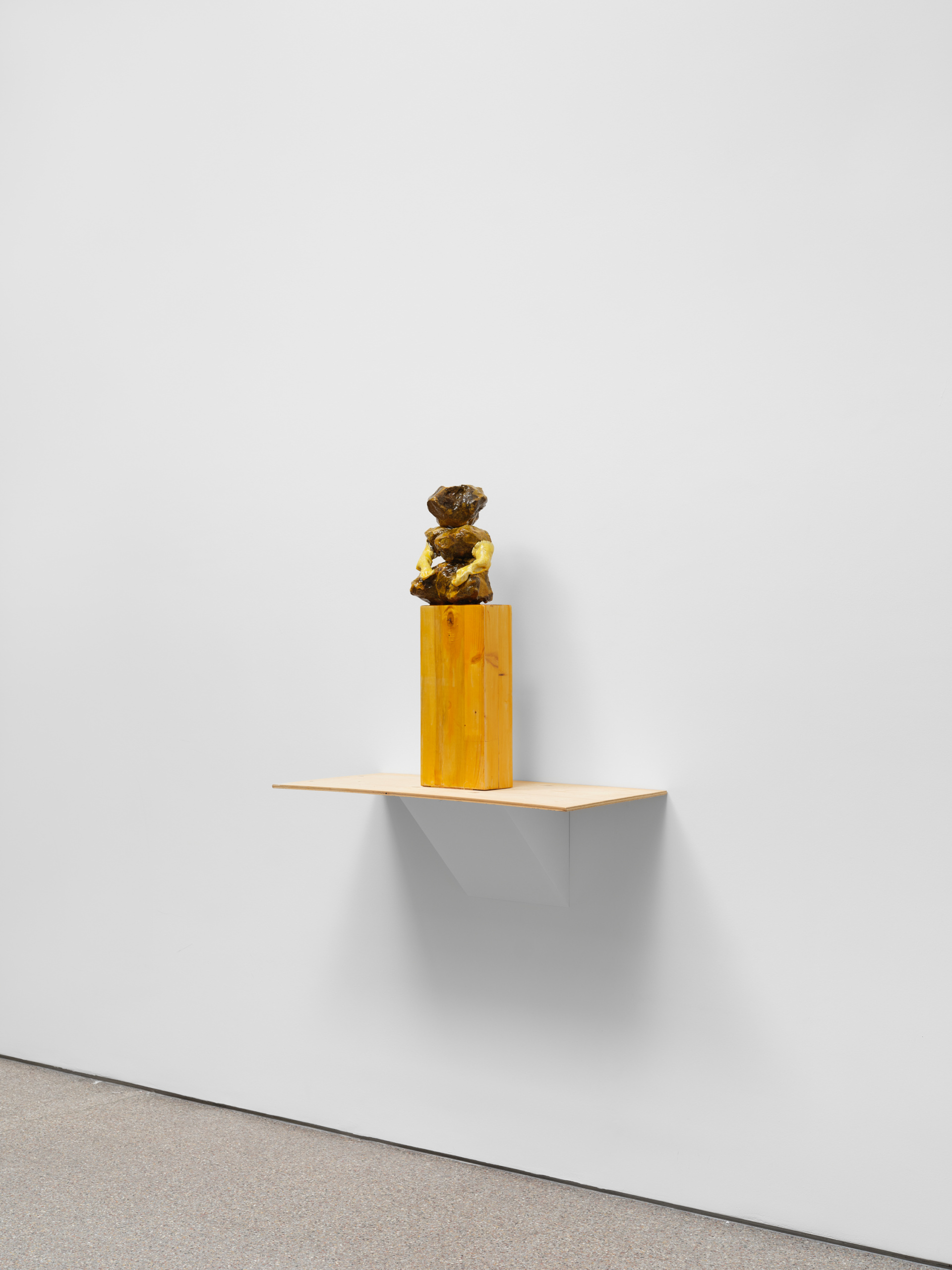
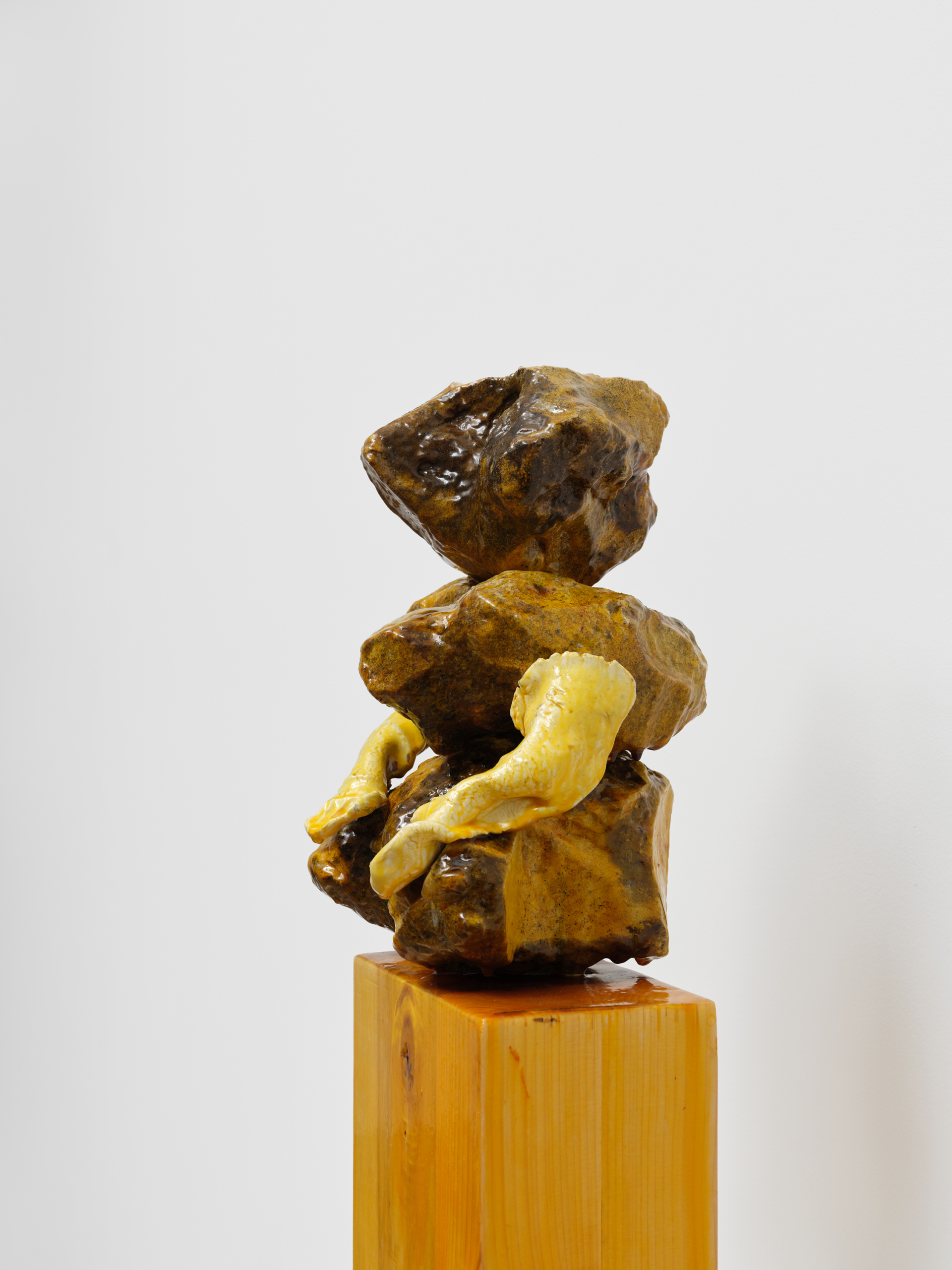
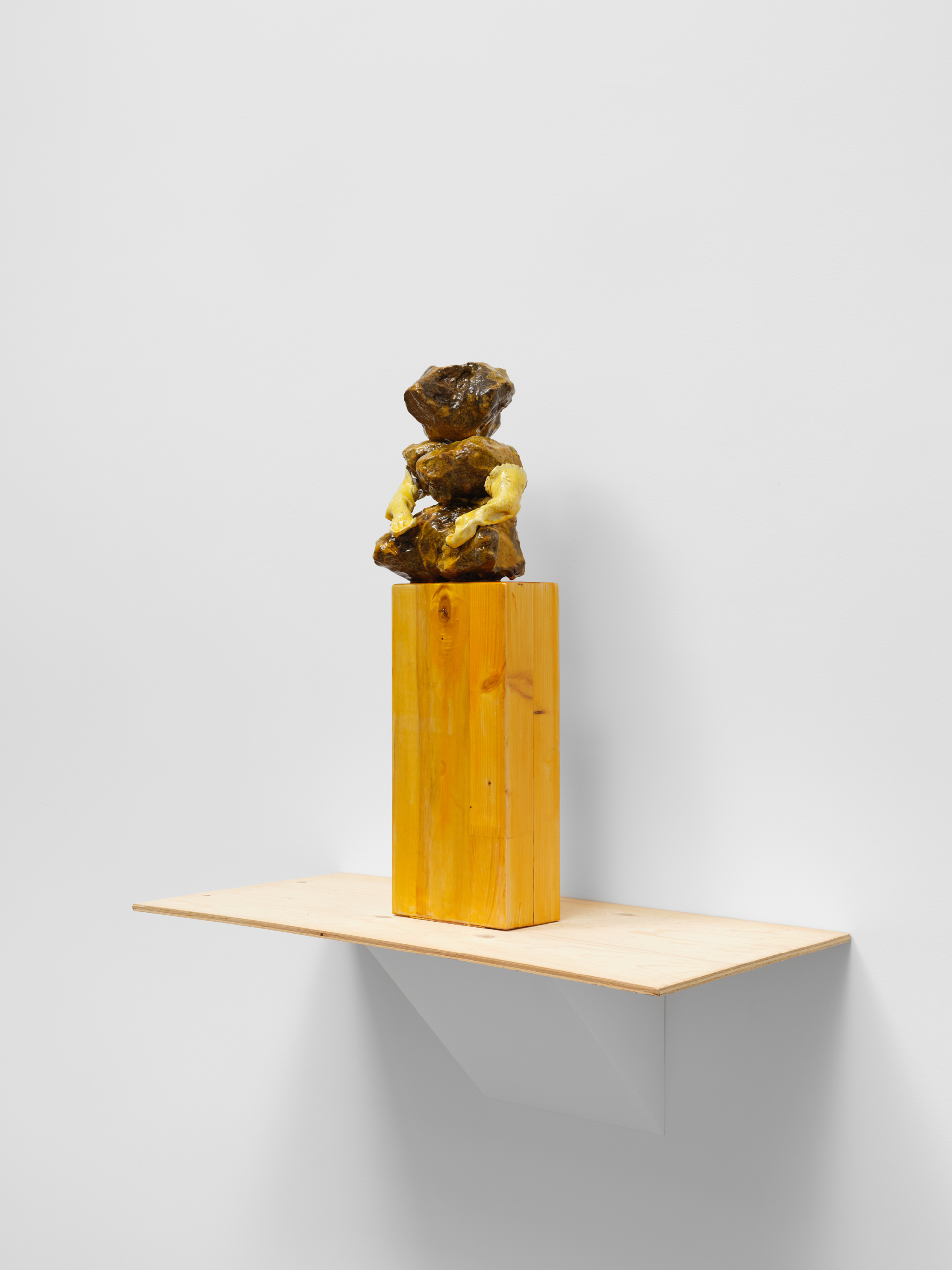
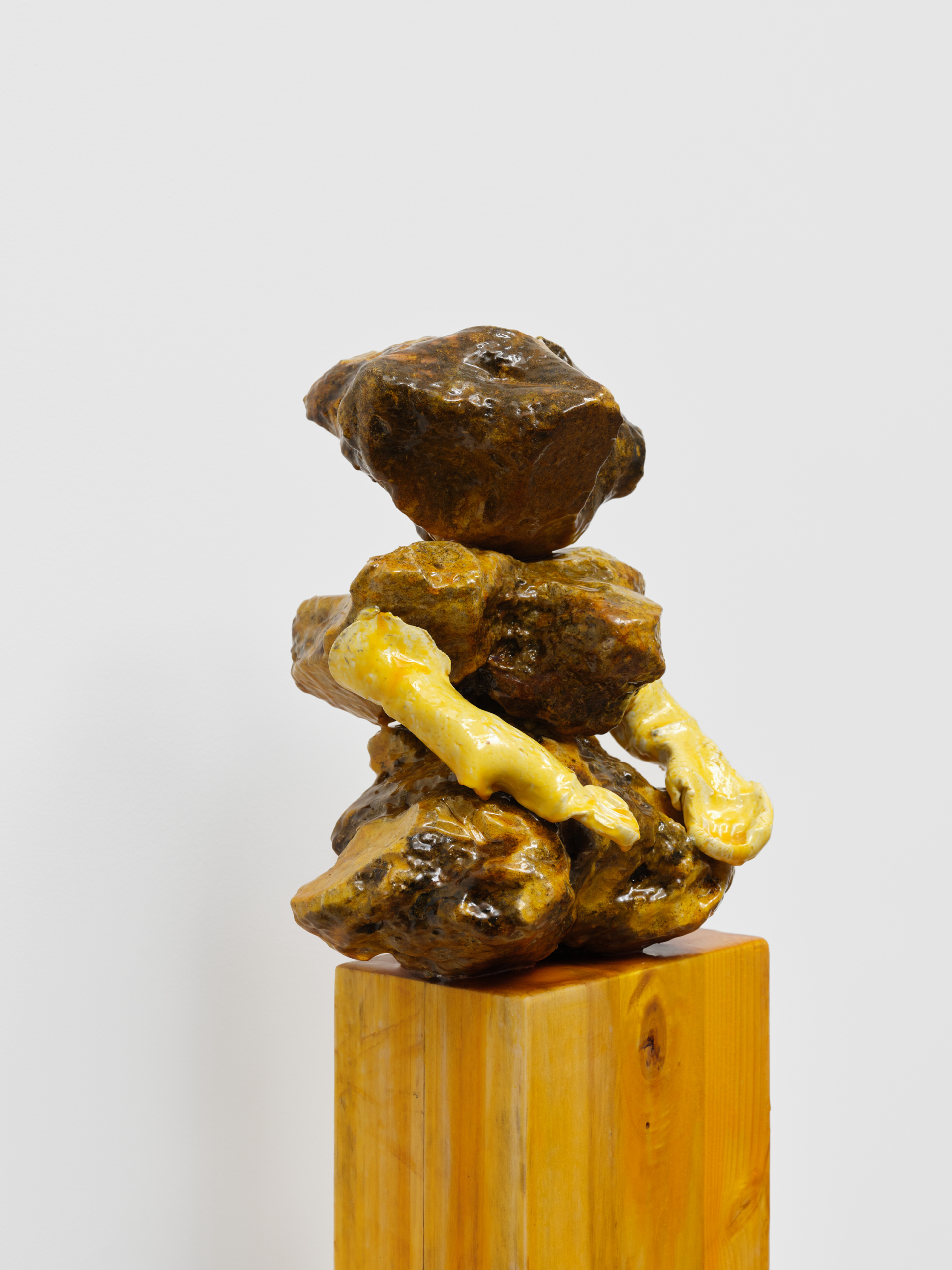
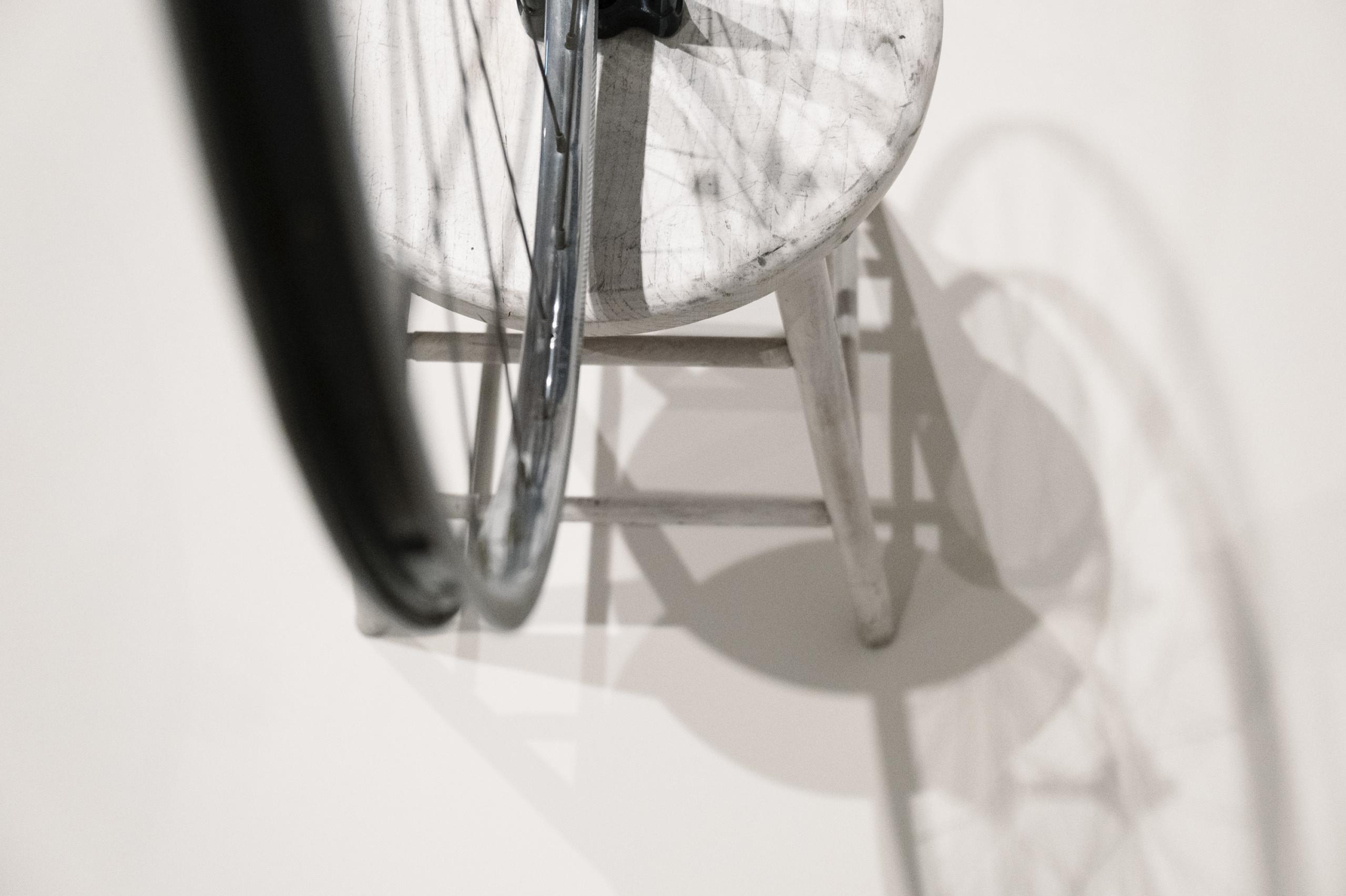
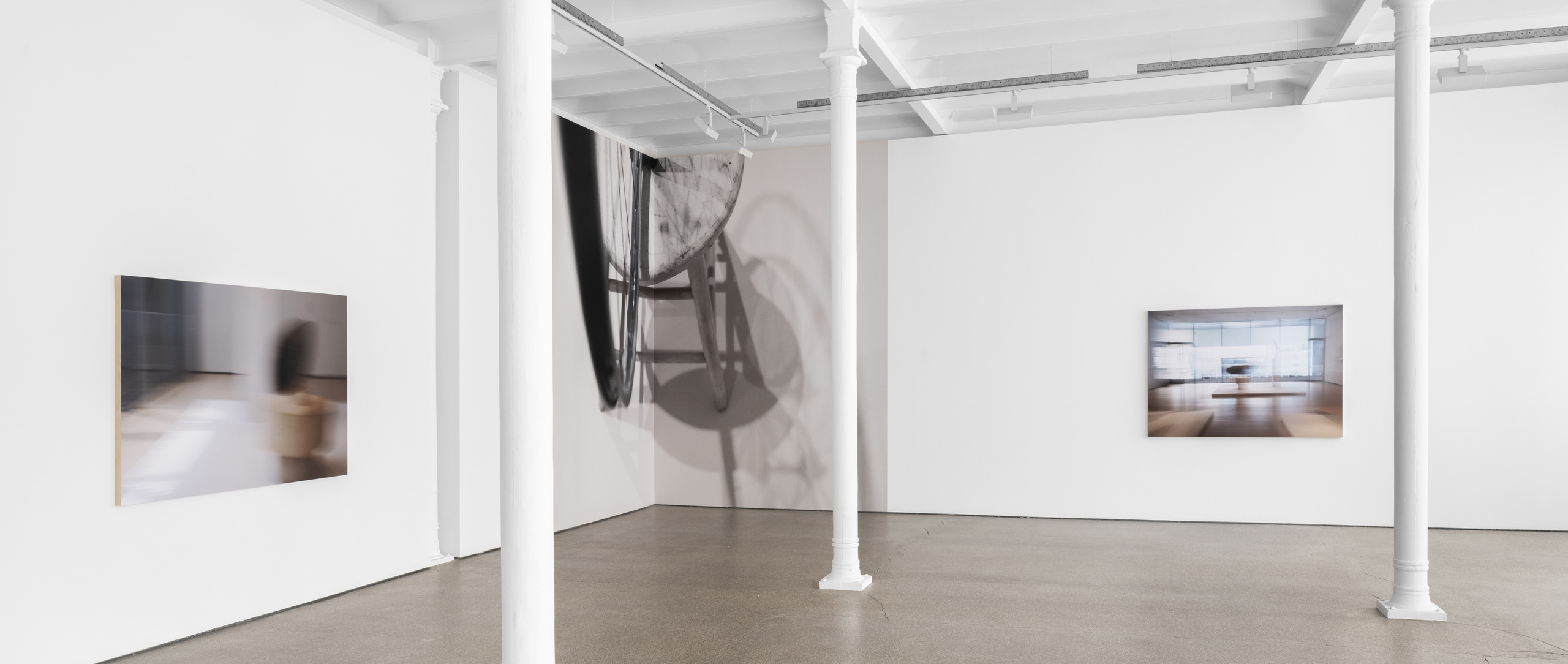
Installation view: Louise Lawler, CORNERED, Galerie Greta Meert, 2024
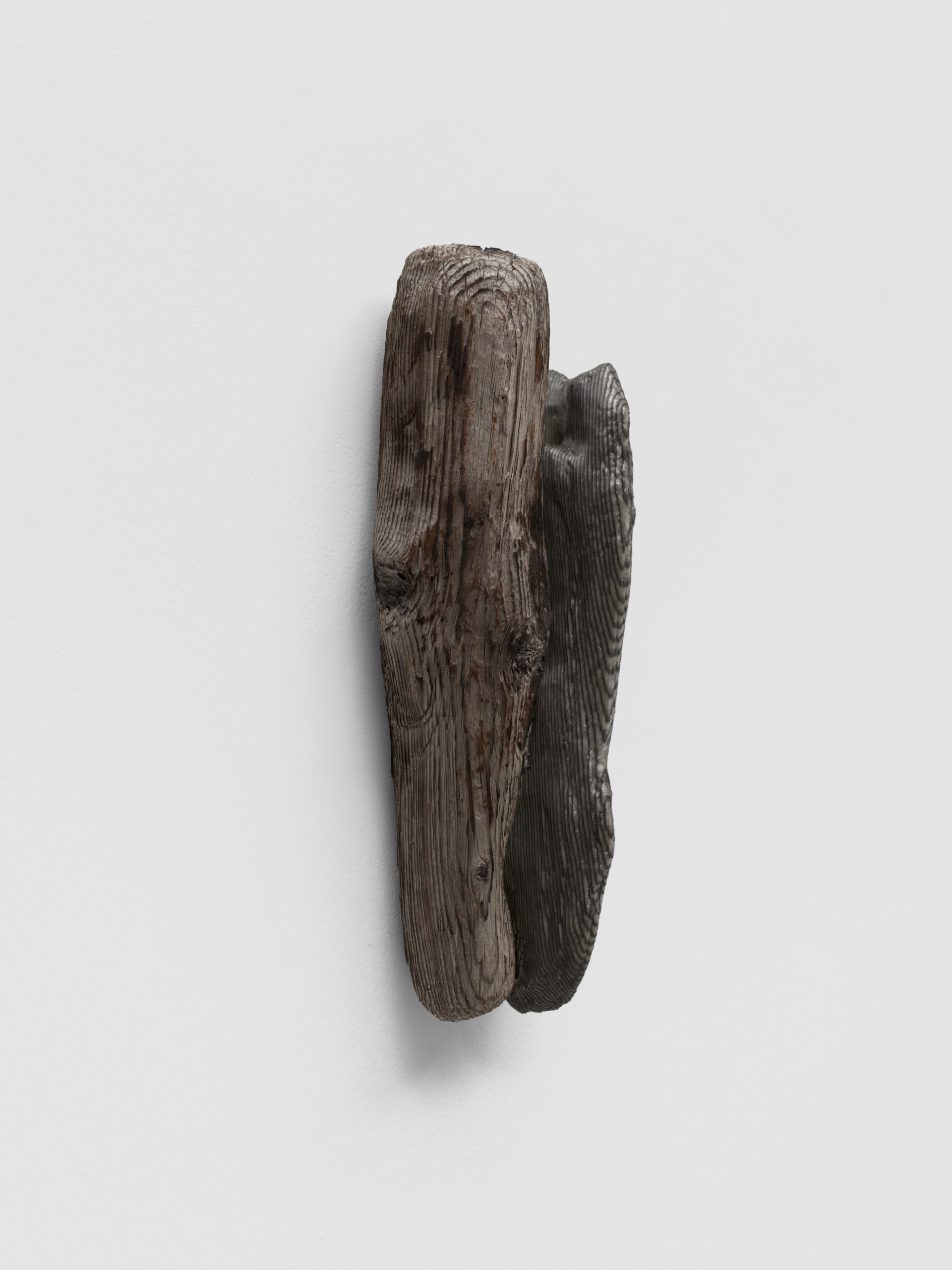
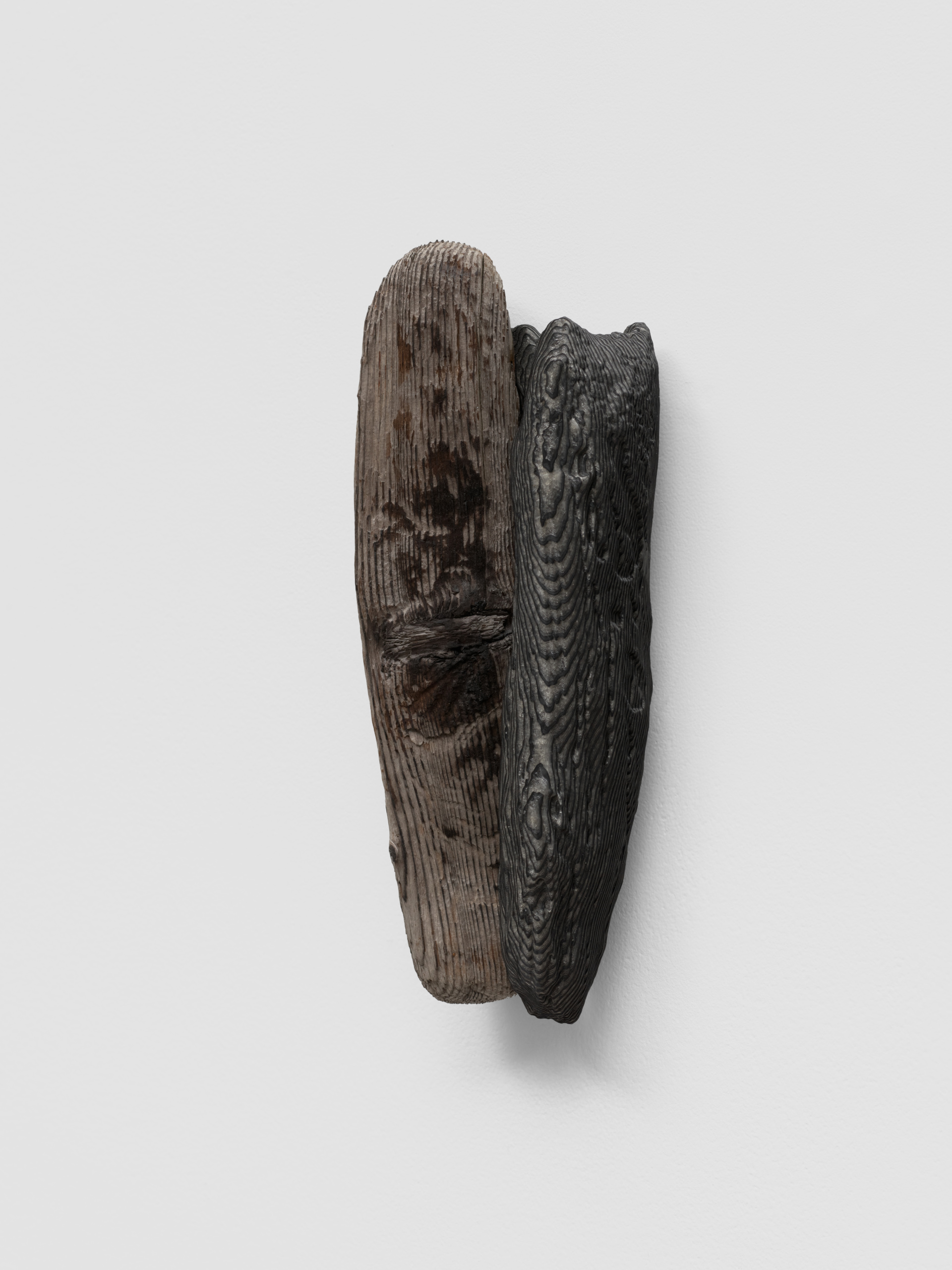
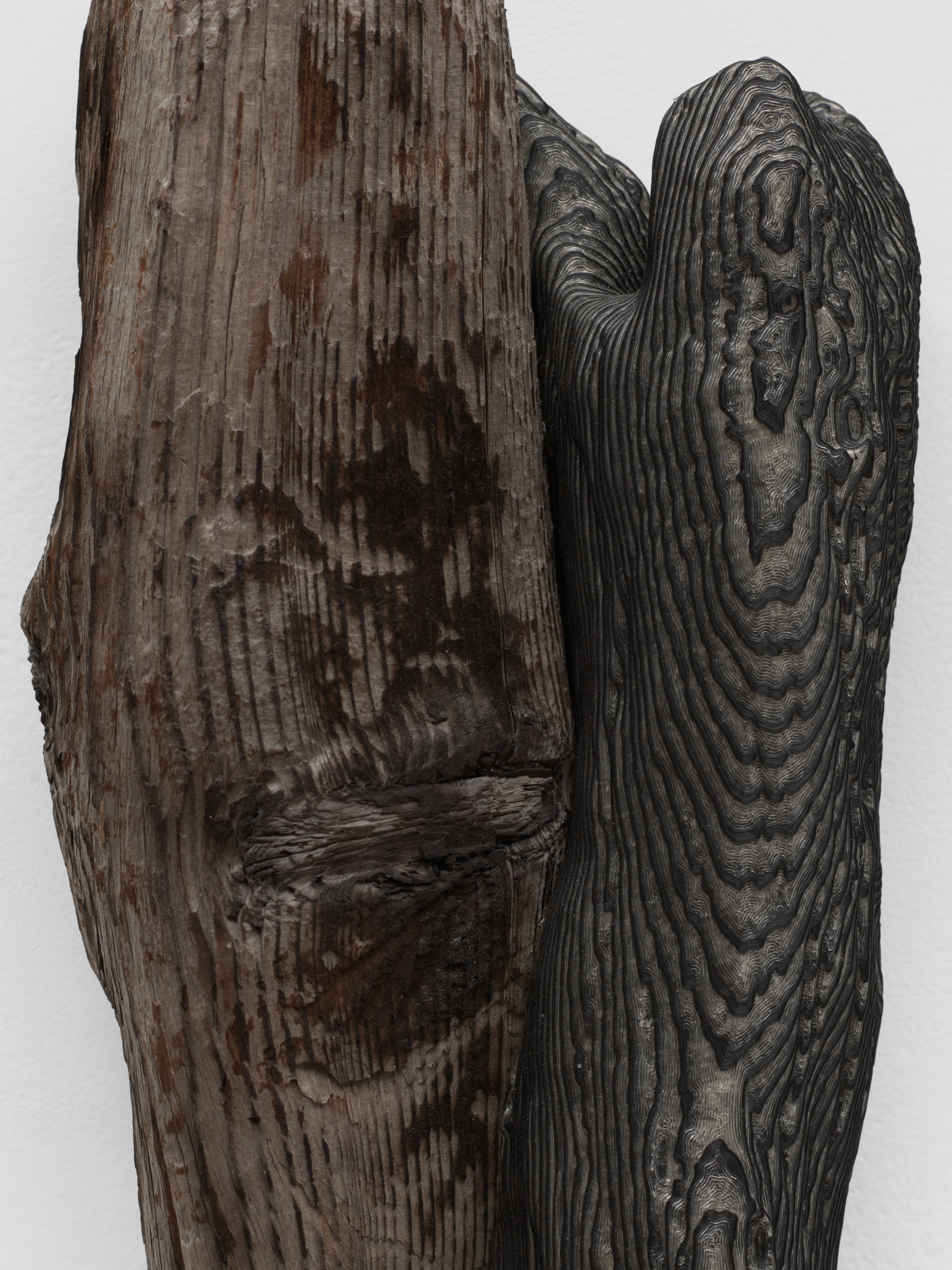
Terry Adkins, all works here drawn from the period he spent in Zurich, brings a different cadence; rooted in music, in Black cultural history, in the conviction that materials carry memory whether or not we choose to acknowledge it. Alongside him we are delighted to present CrossLypka, a duo of ceramicists whose invented language of form and firing technique arrives with a freshness that is genuinely rare.
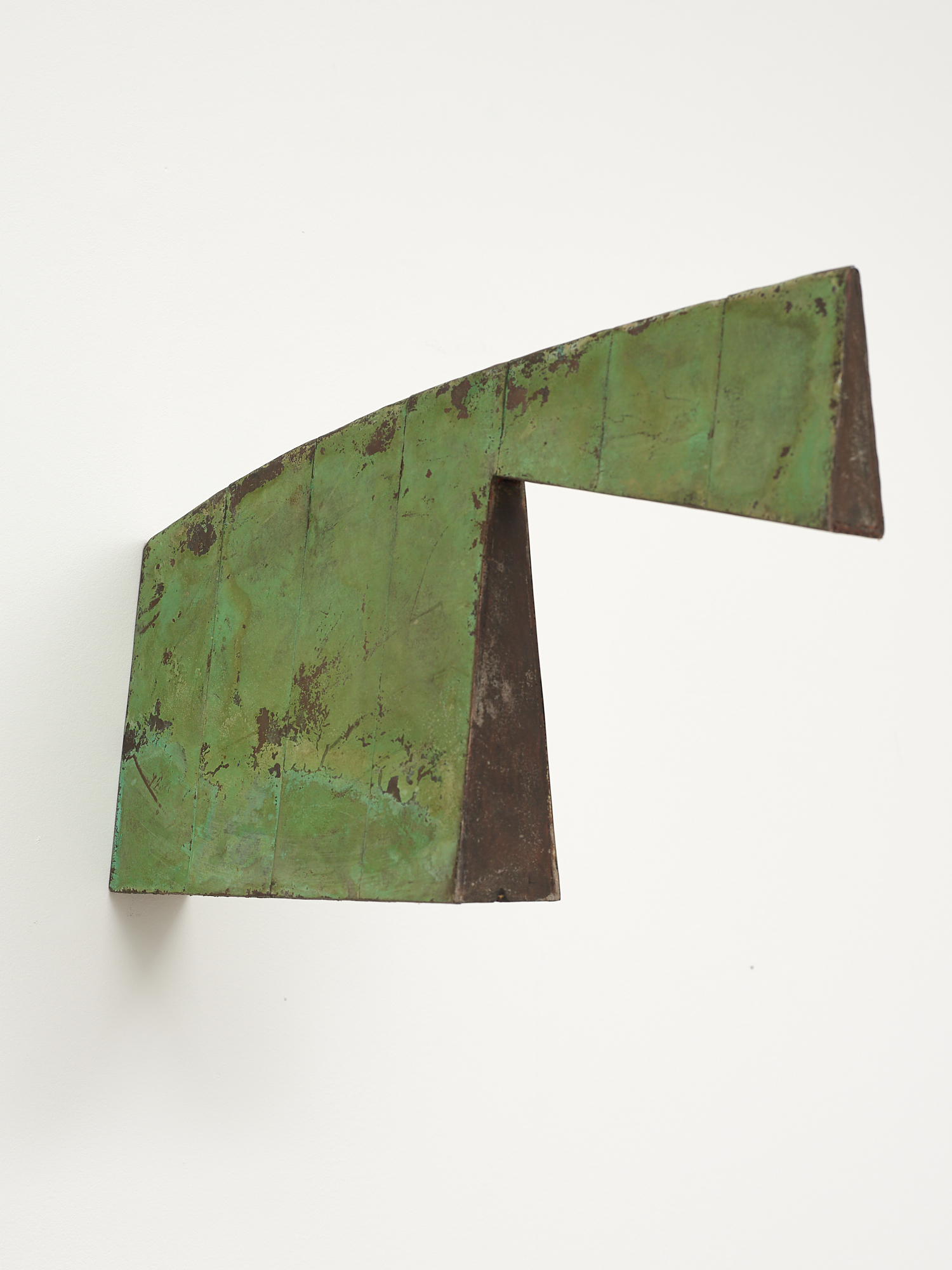
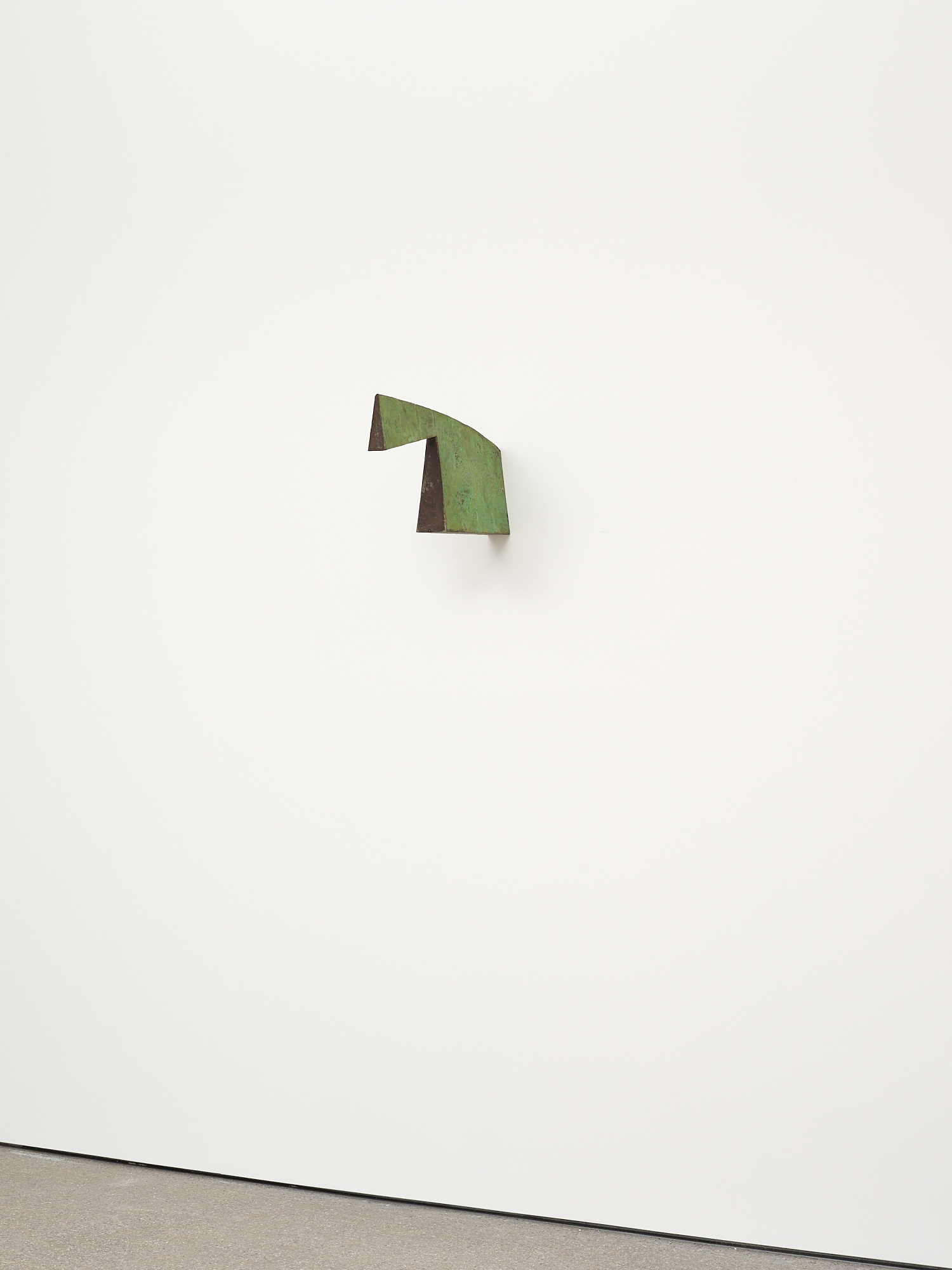
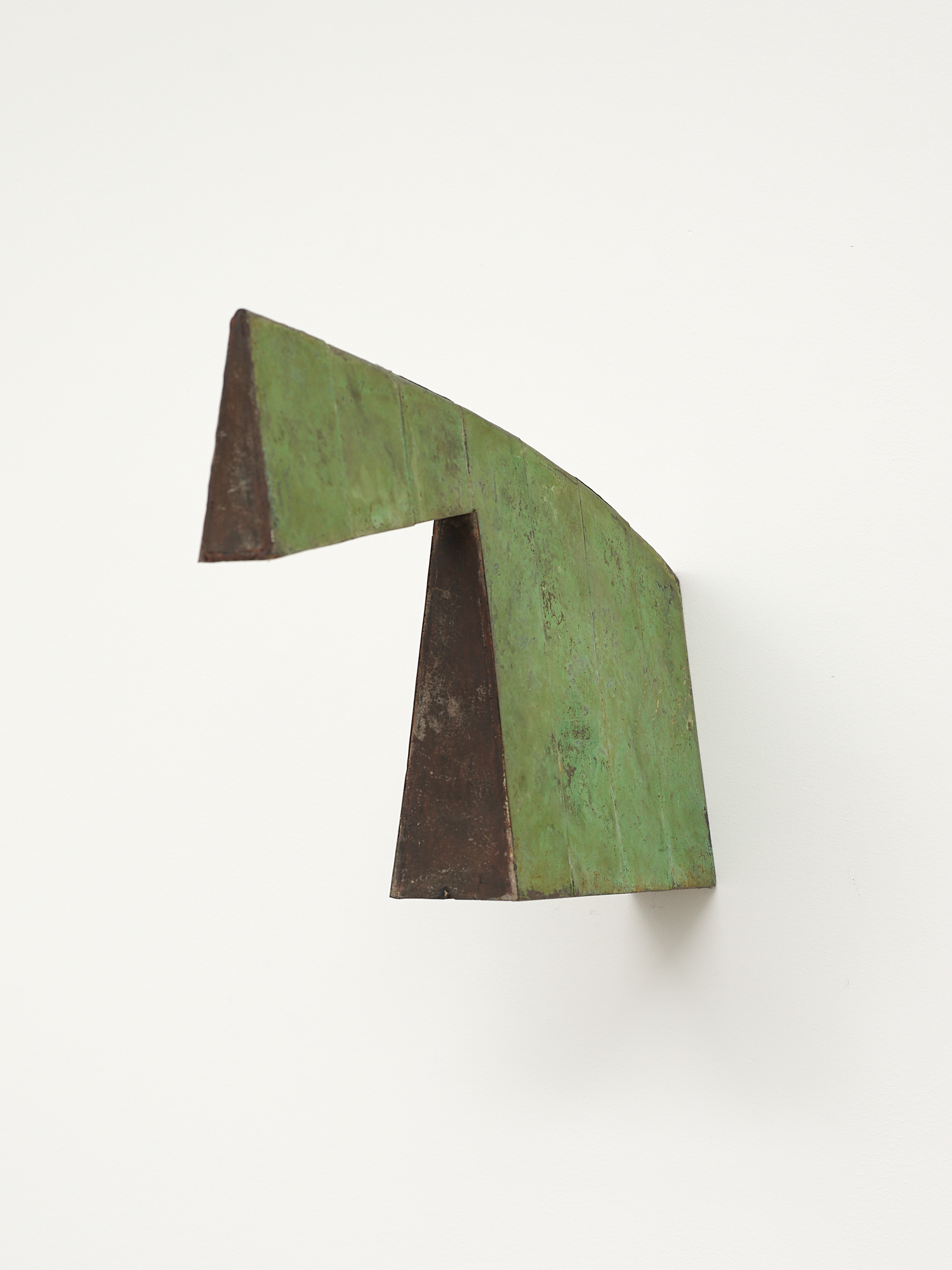
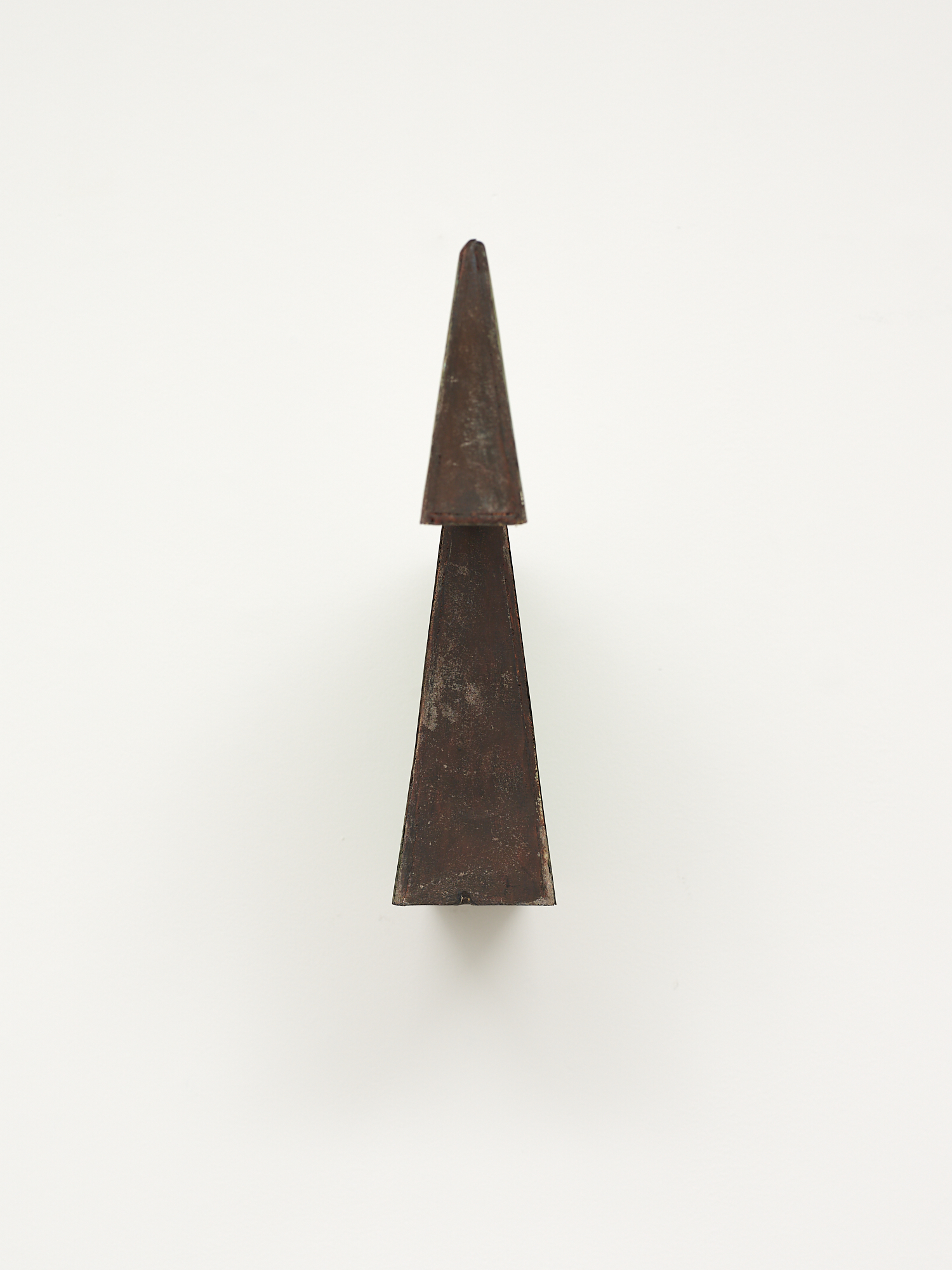
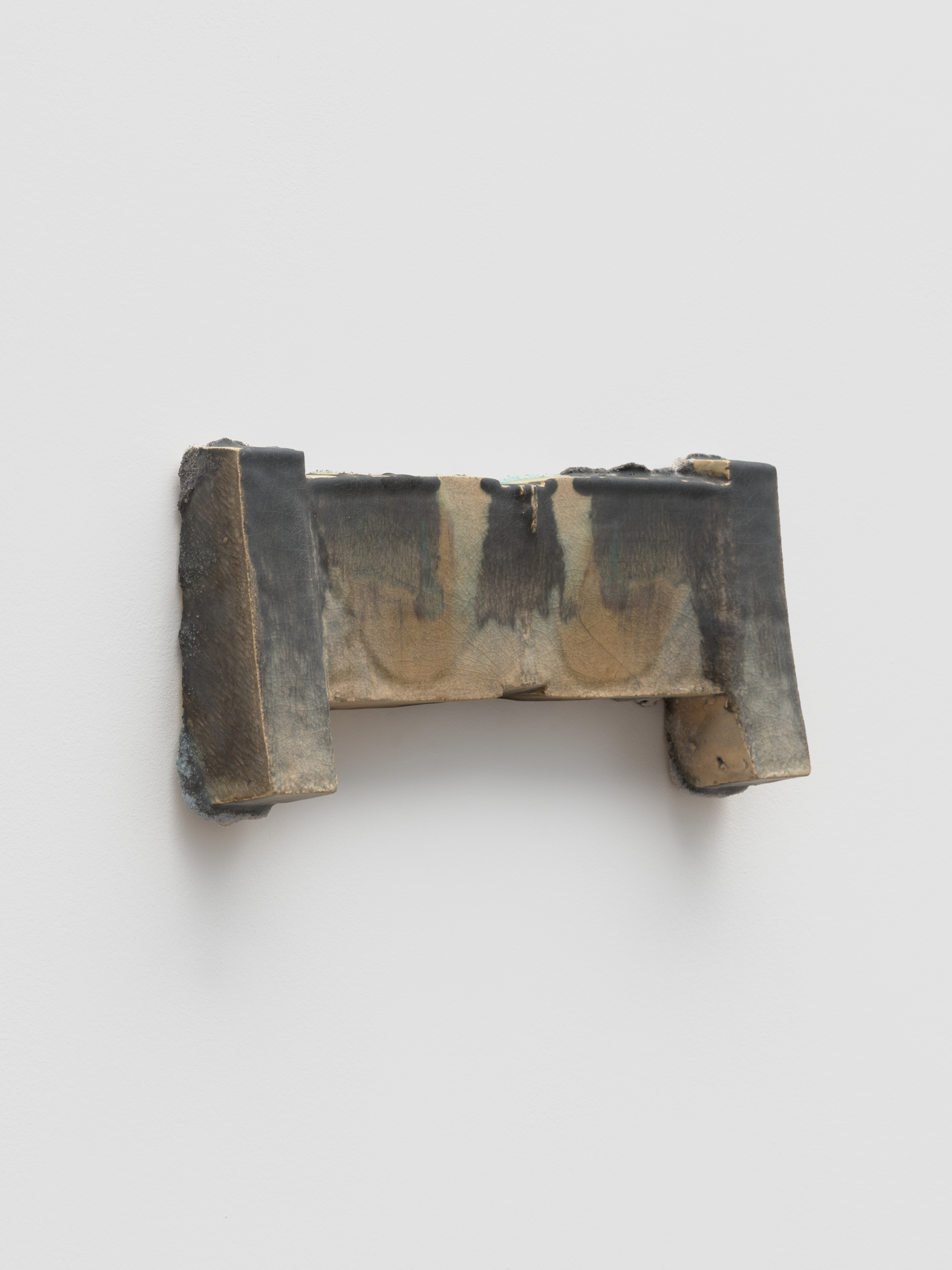
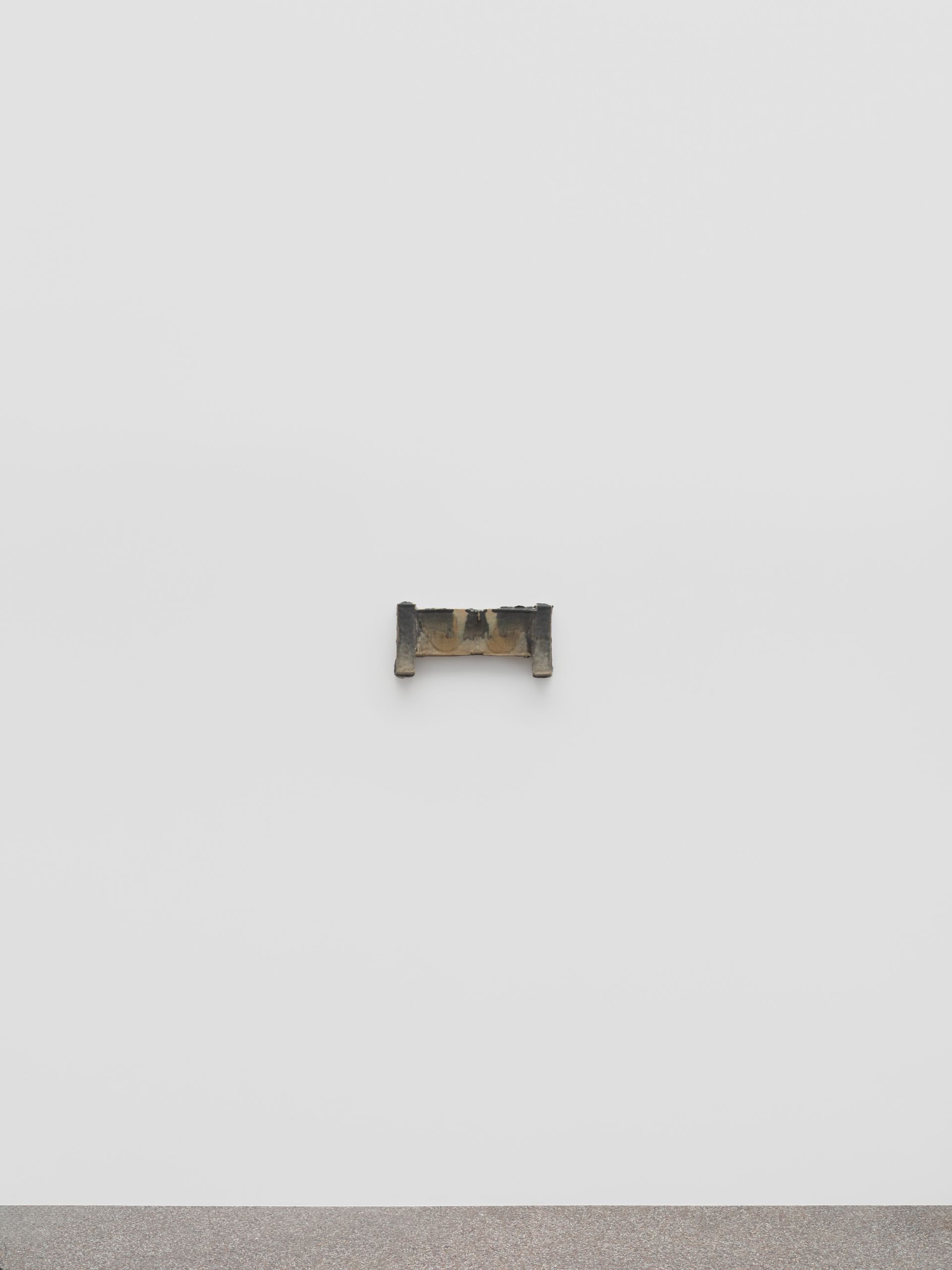
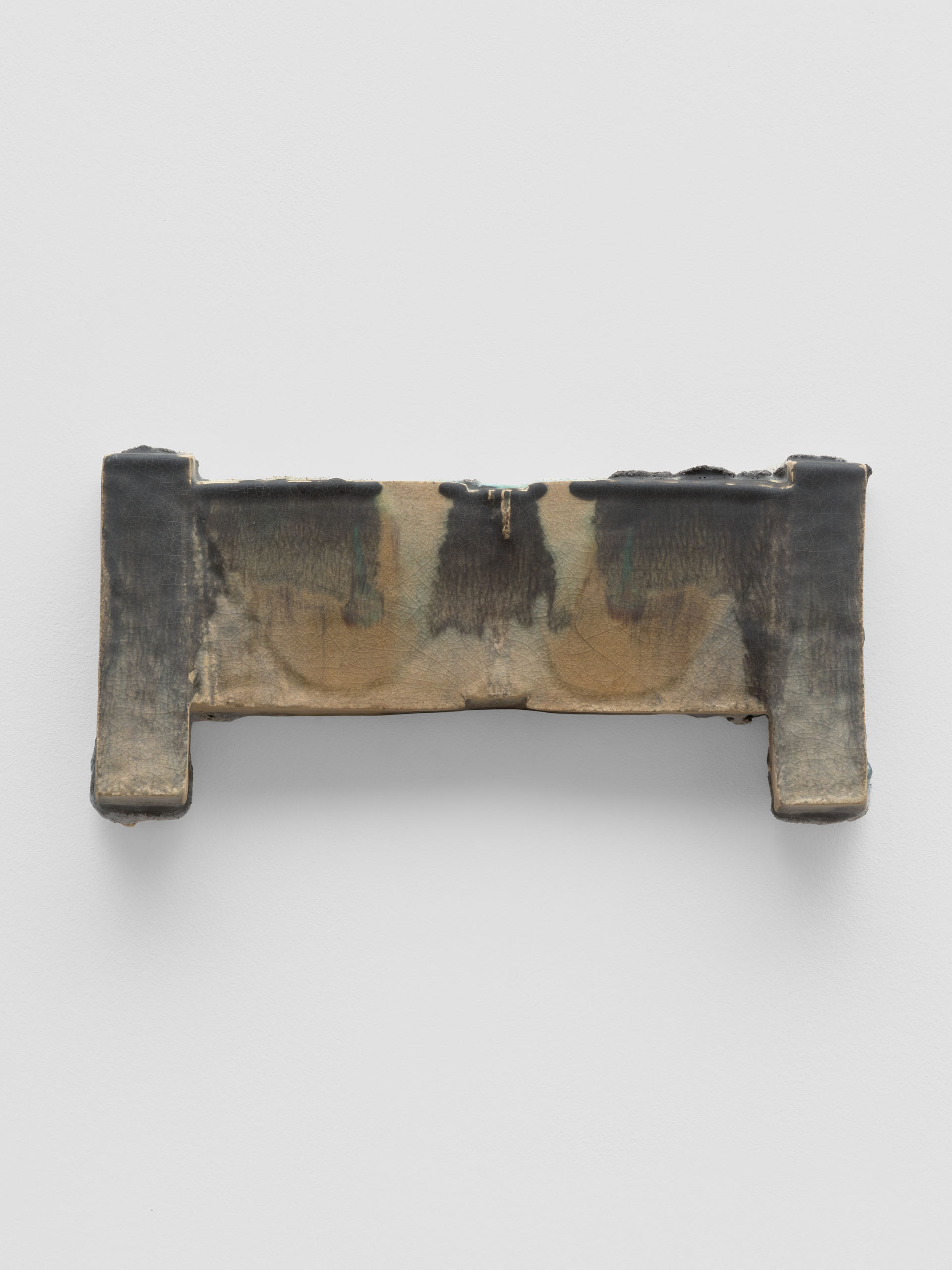
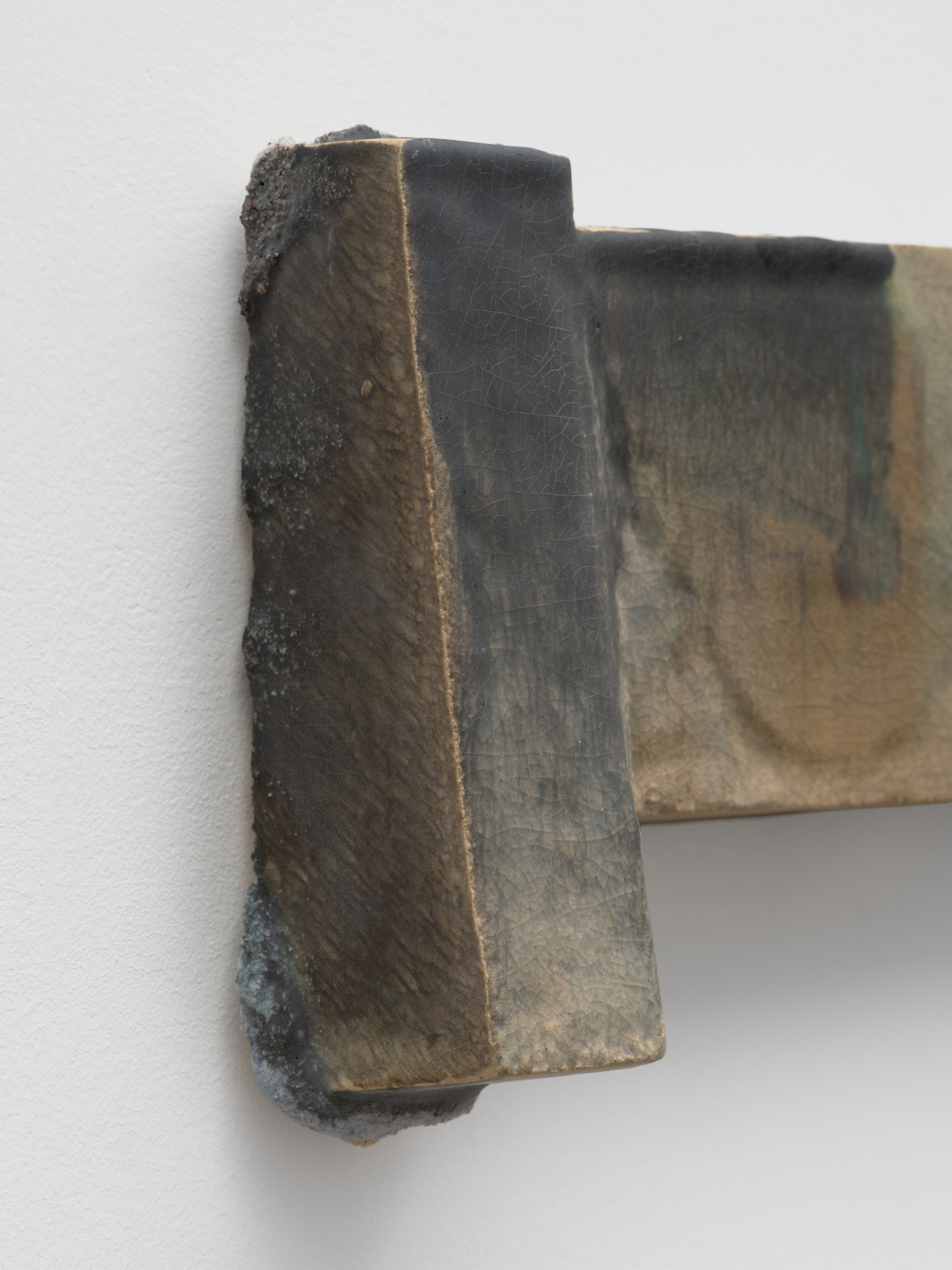
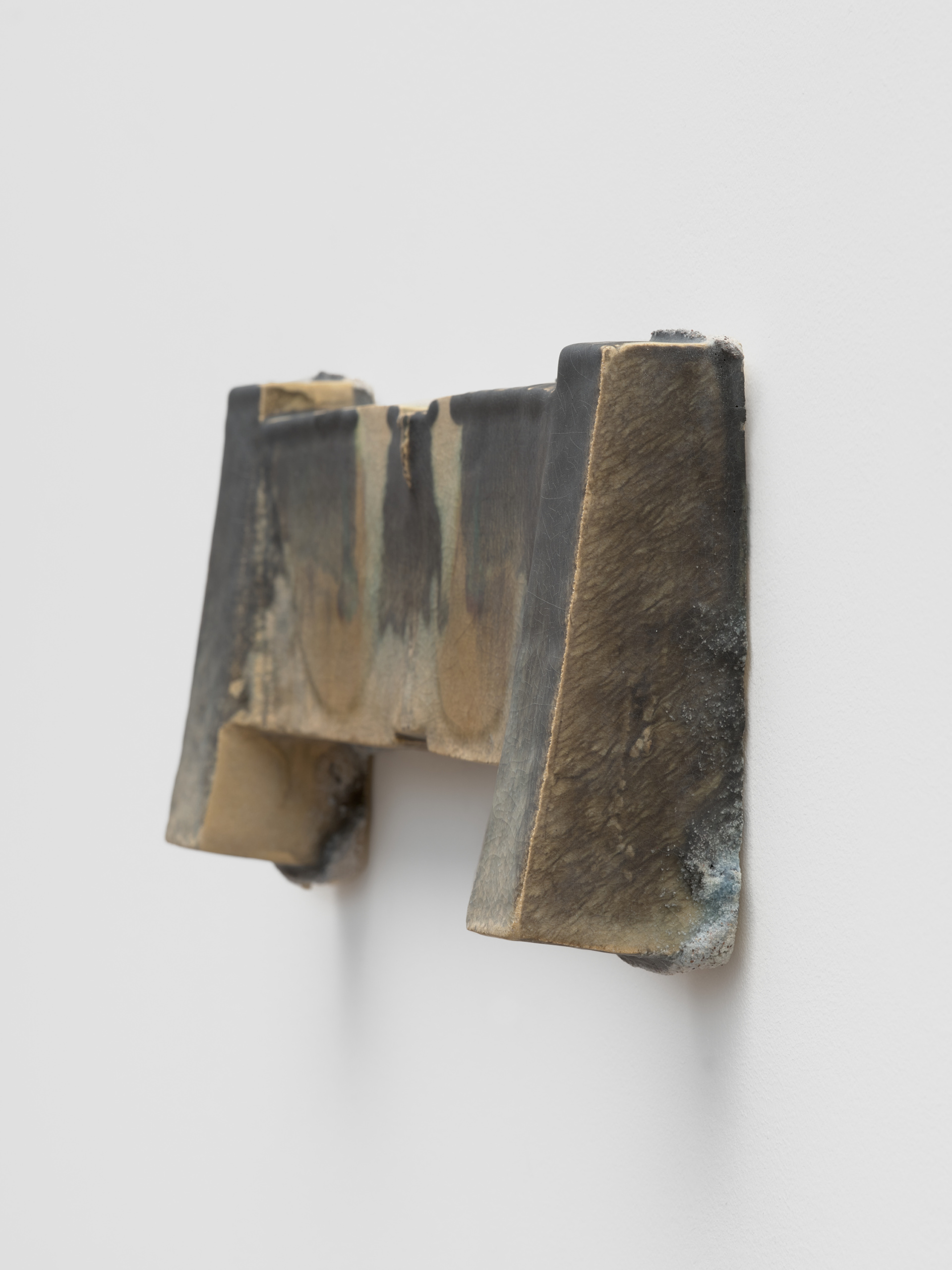
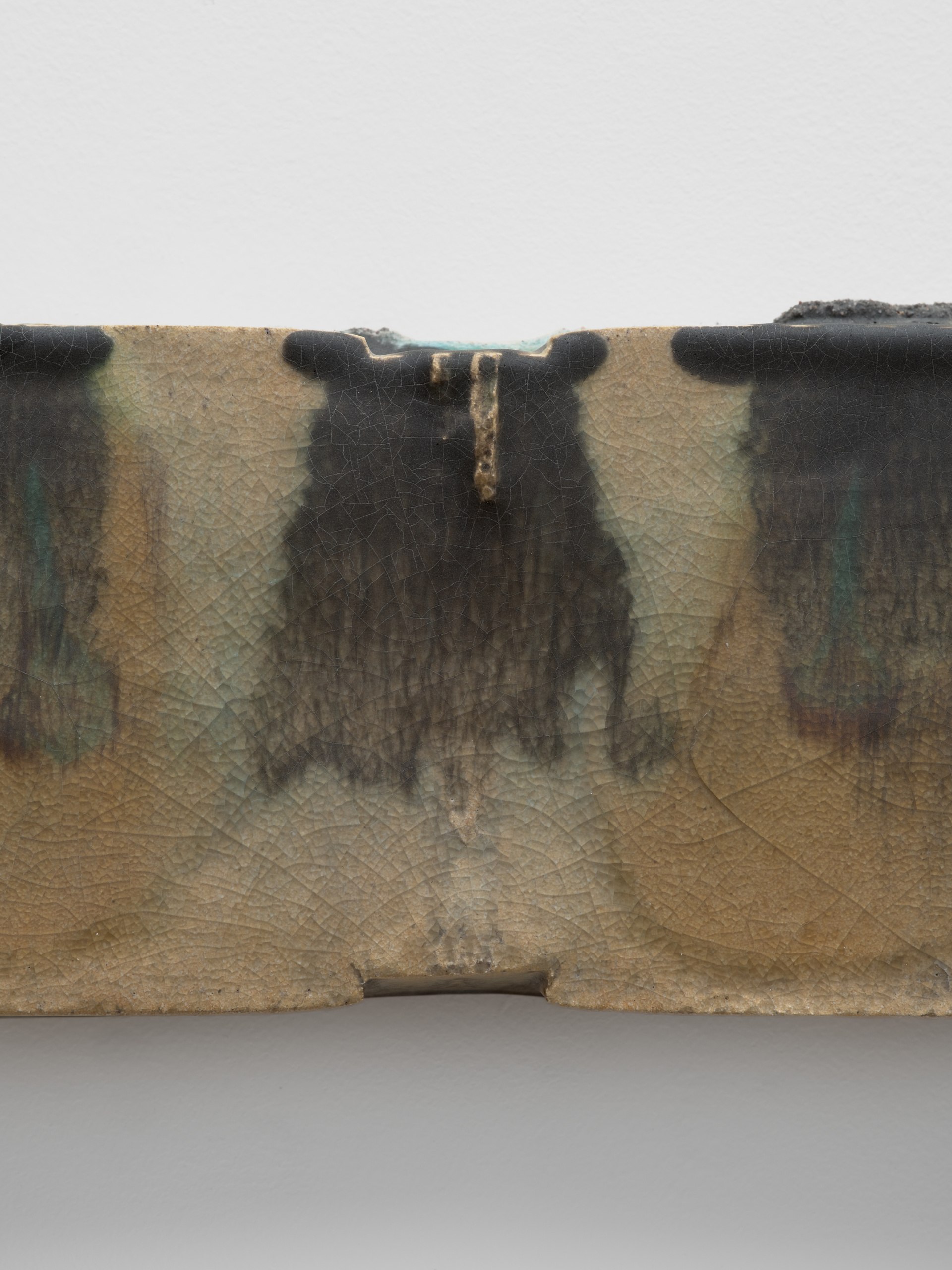
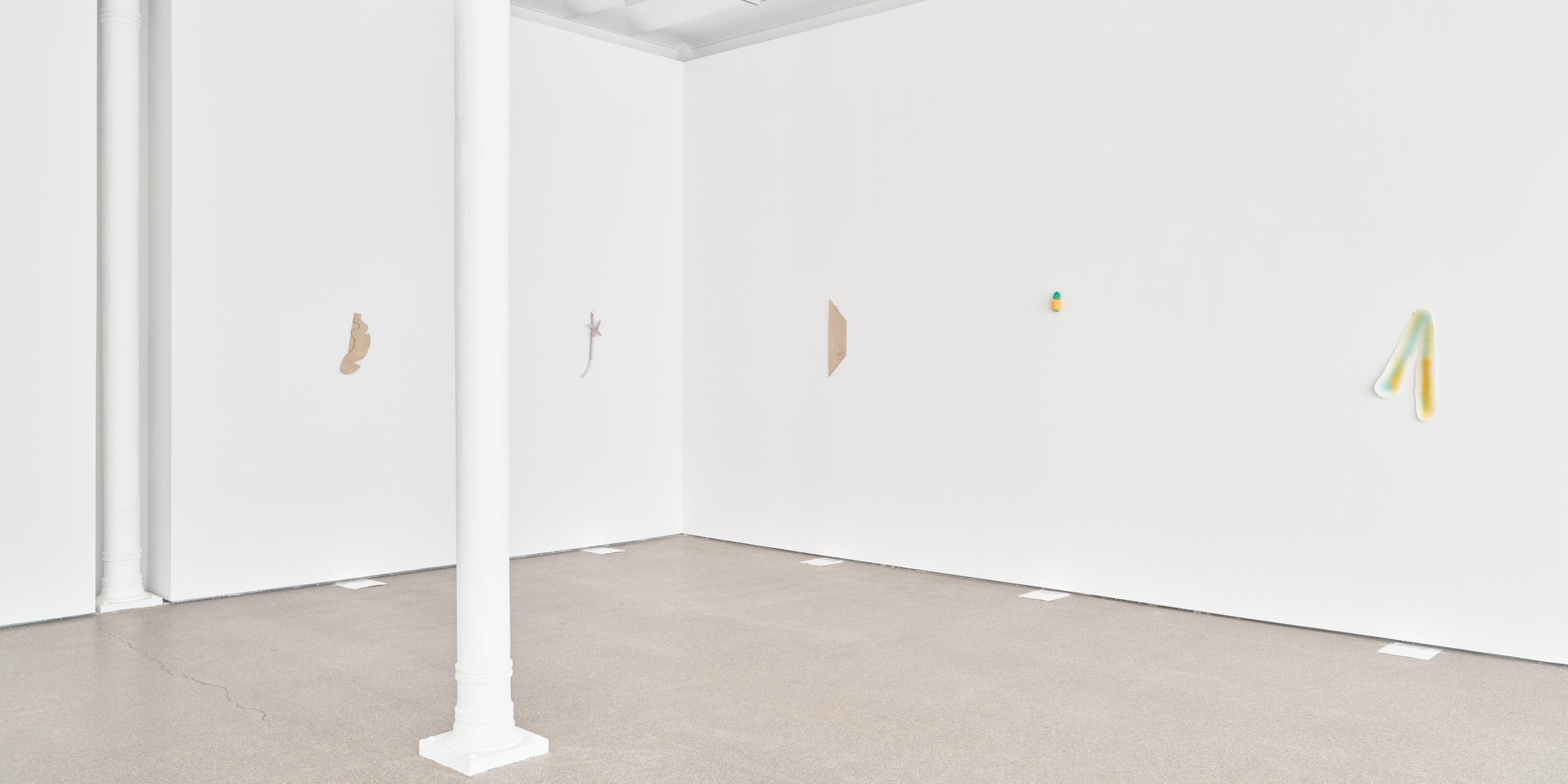
Installation view: Richard Tuttle, Nothing, Galerie Greta Meert, 2026
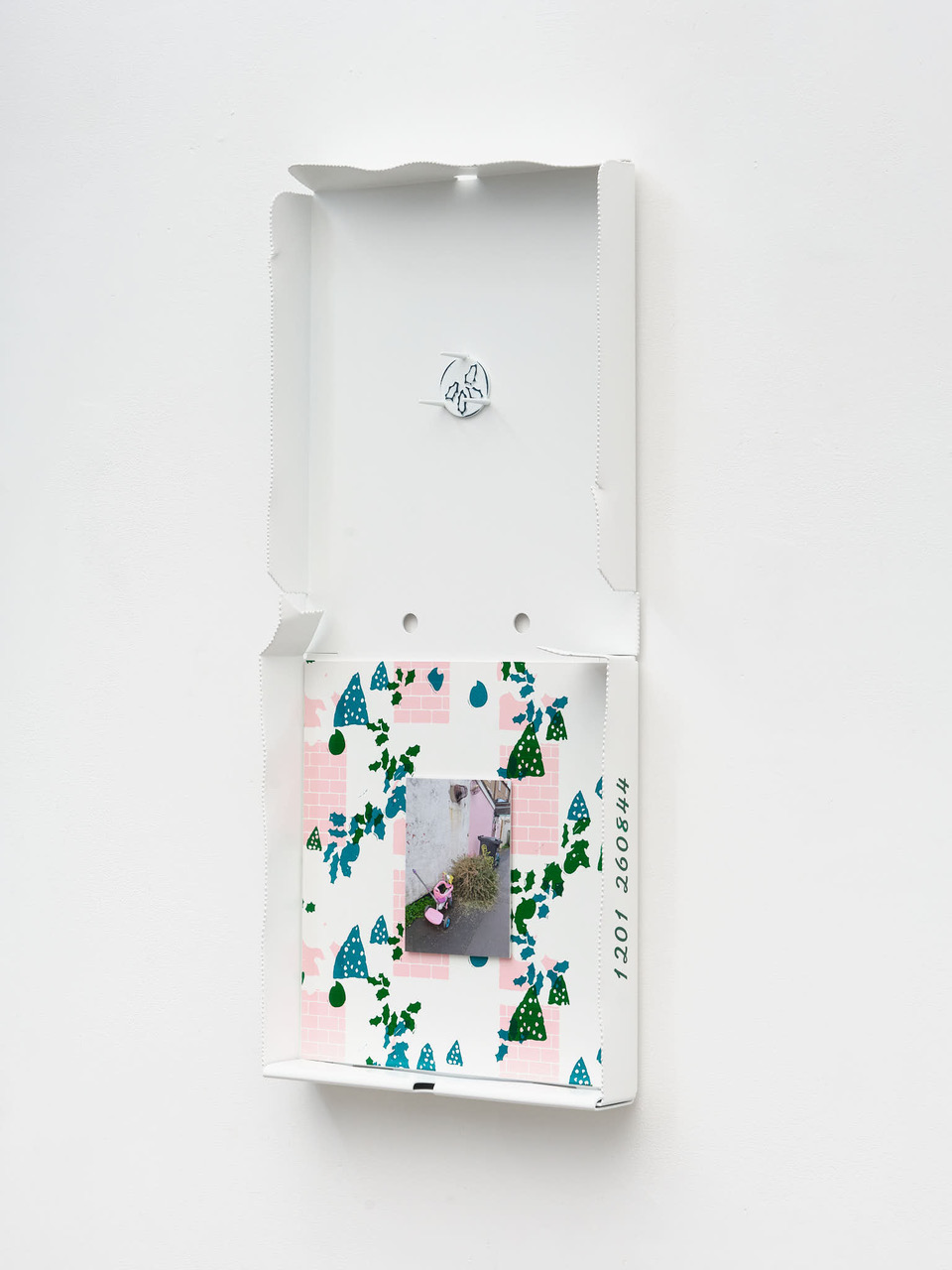
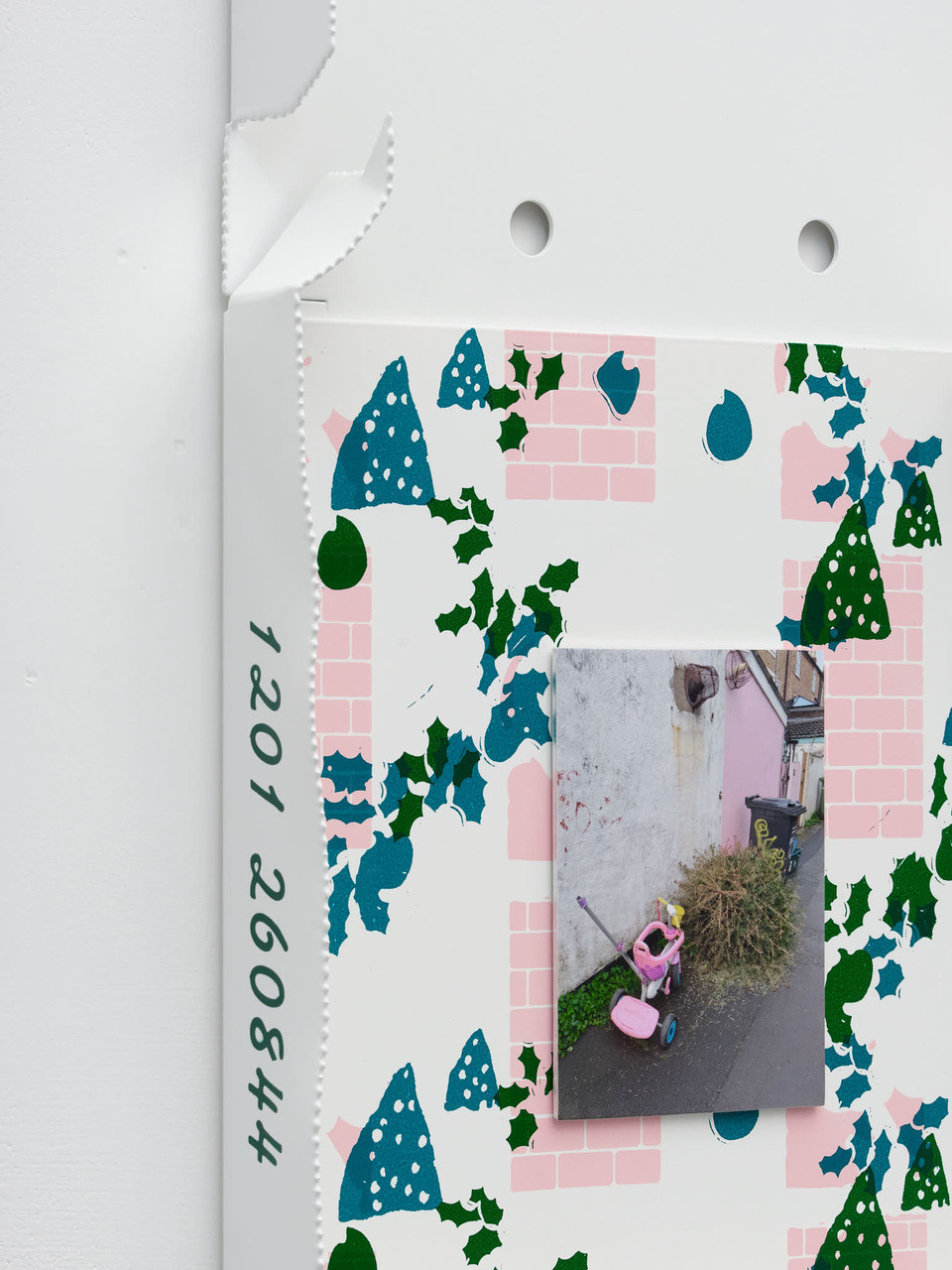
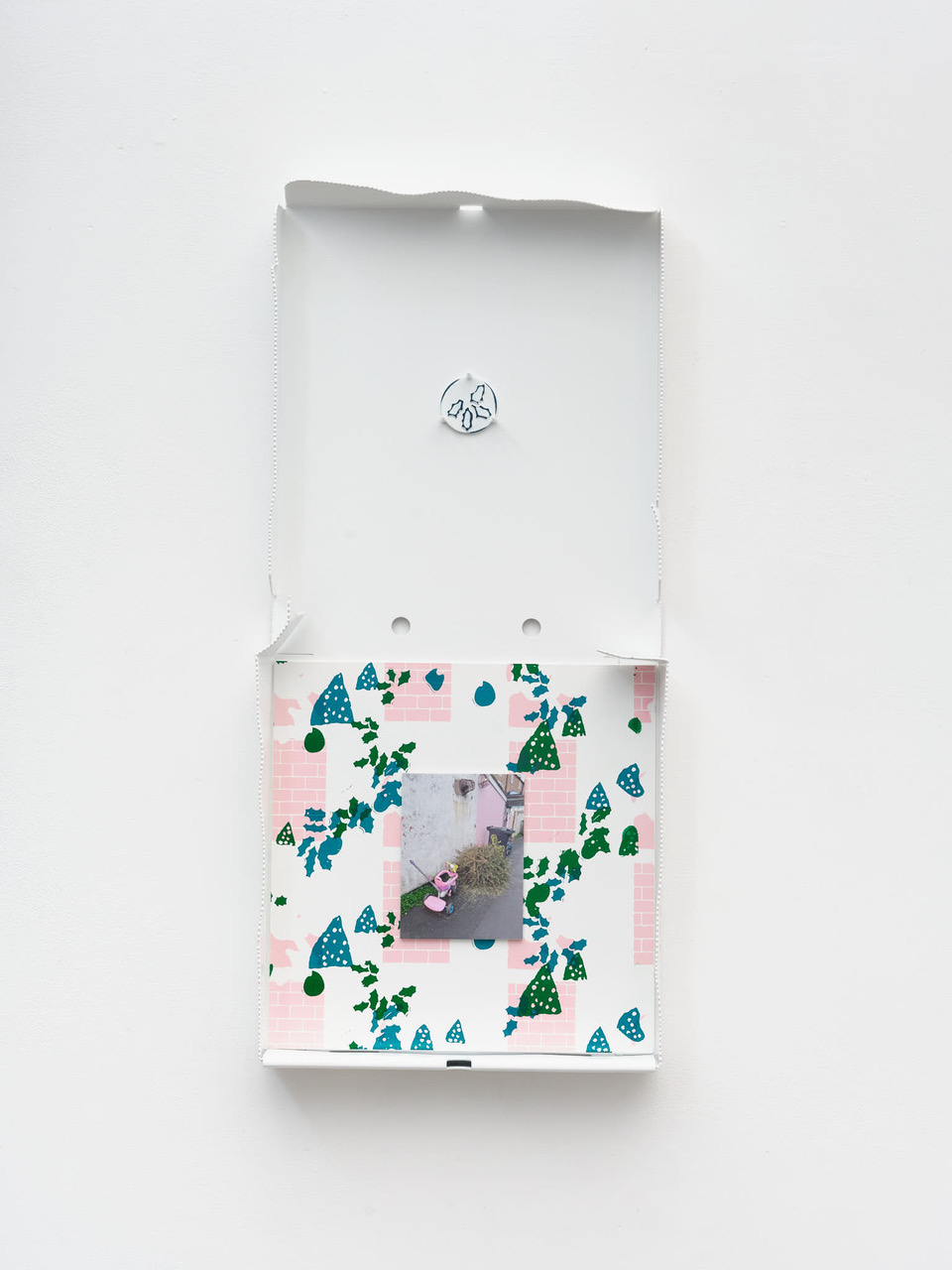
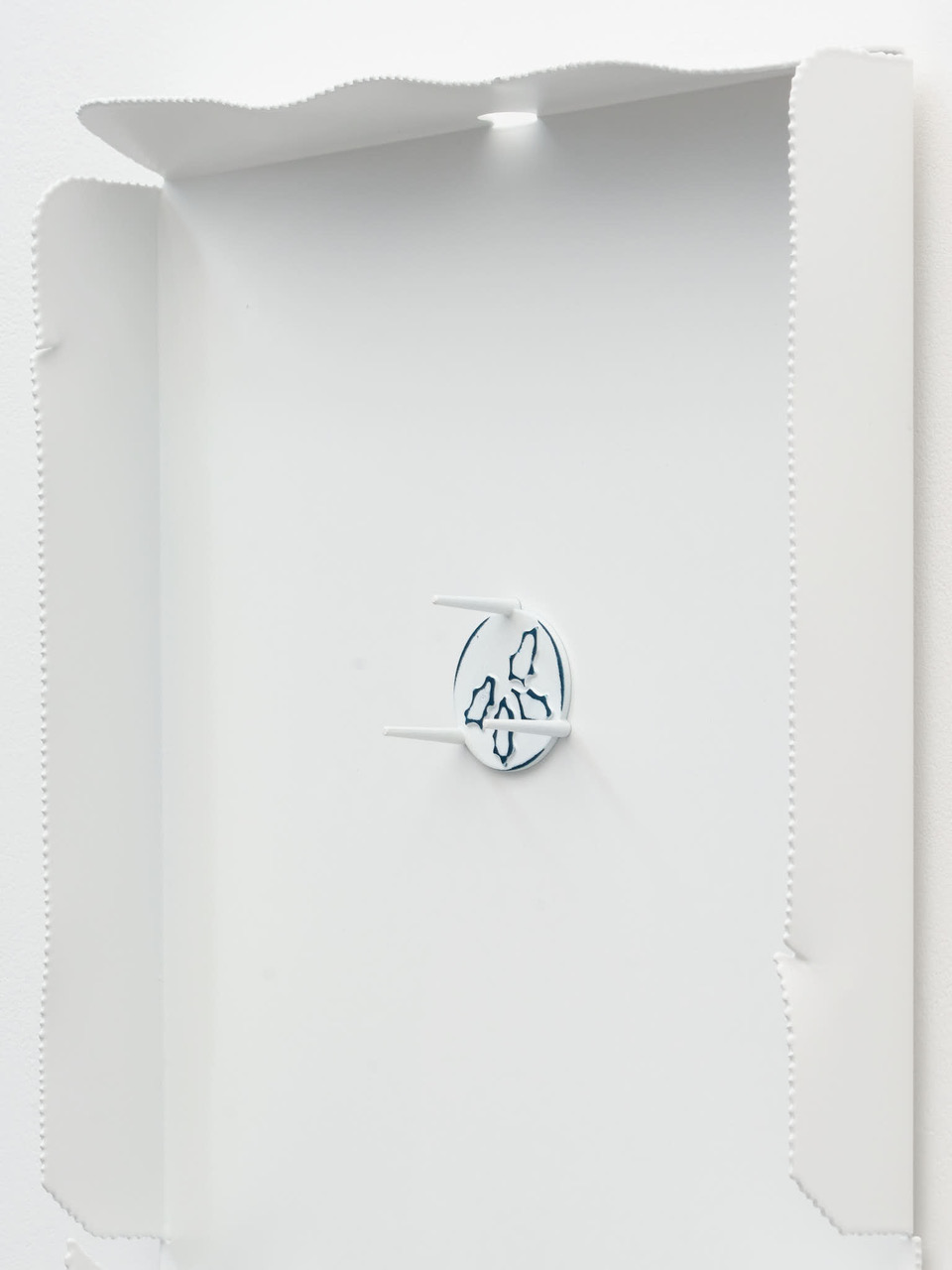
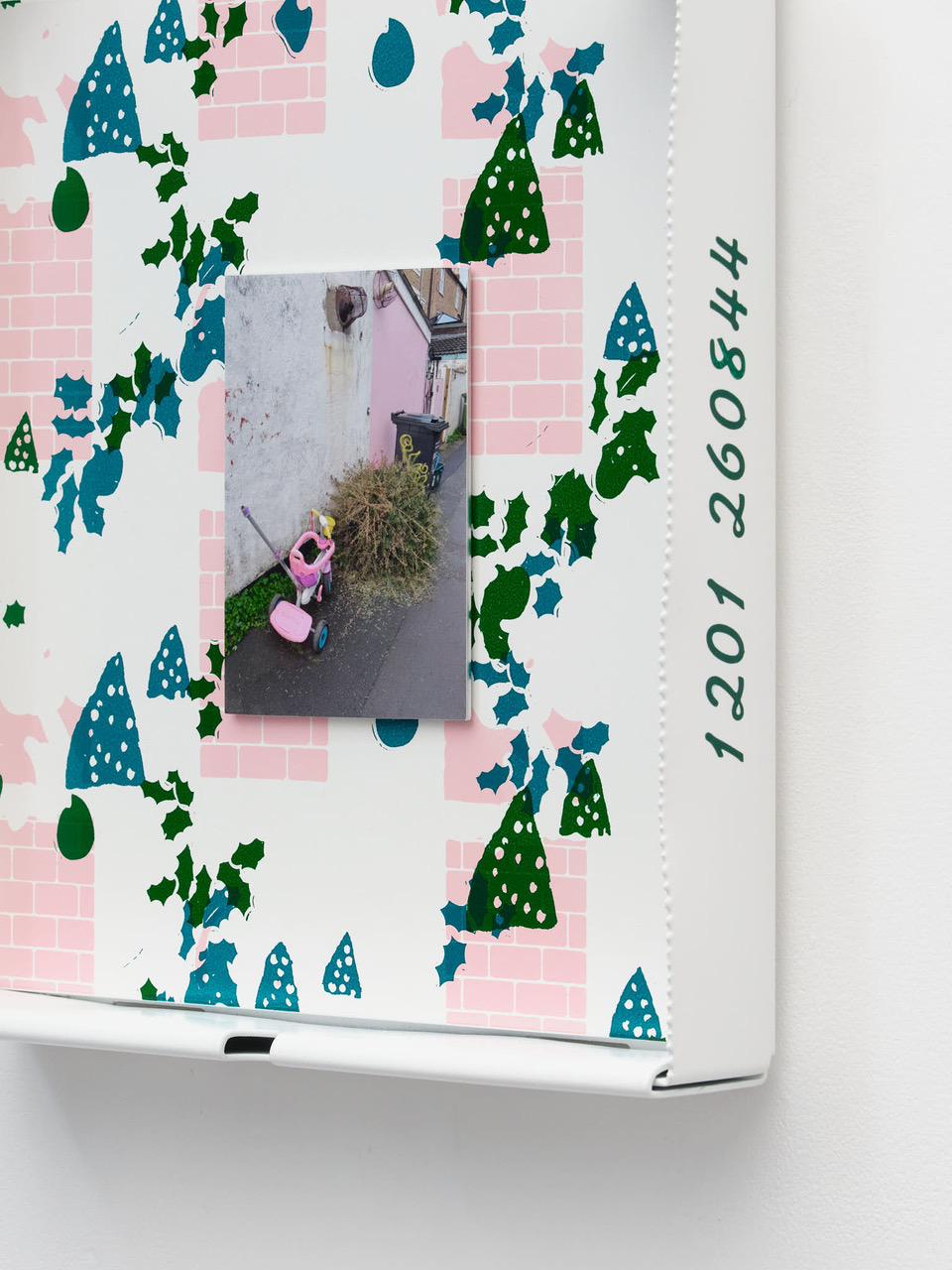
Noam Rappaport‘s compositions occupy the entire visual field in a manner that is perhaps less pictorial than environmental: the frame is not a boundary but a participant, deepening the inscrutability it might otherwise contain. Richard Tuttle, here with entirely new work from his recent Nothing exhibition, continues his lifelong practice of making the diminutive feel inexhaustible. Magali Reus brings Christmas trees and pizza boxes into an unlikely but persuasive adjacency — a formal wit that connects directly to her current museum exhibition Salt in Freiburg, on view until 26 July.
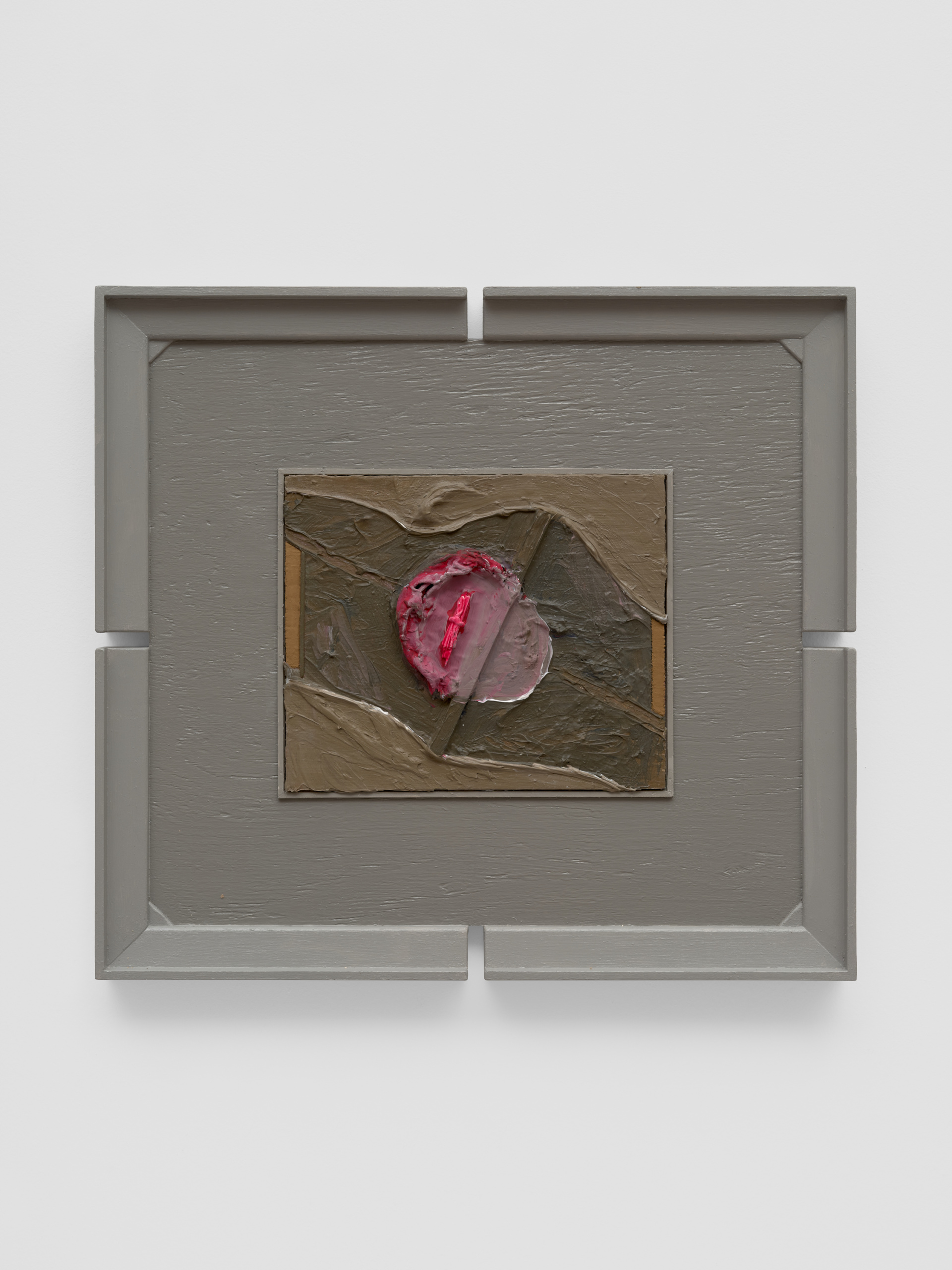
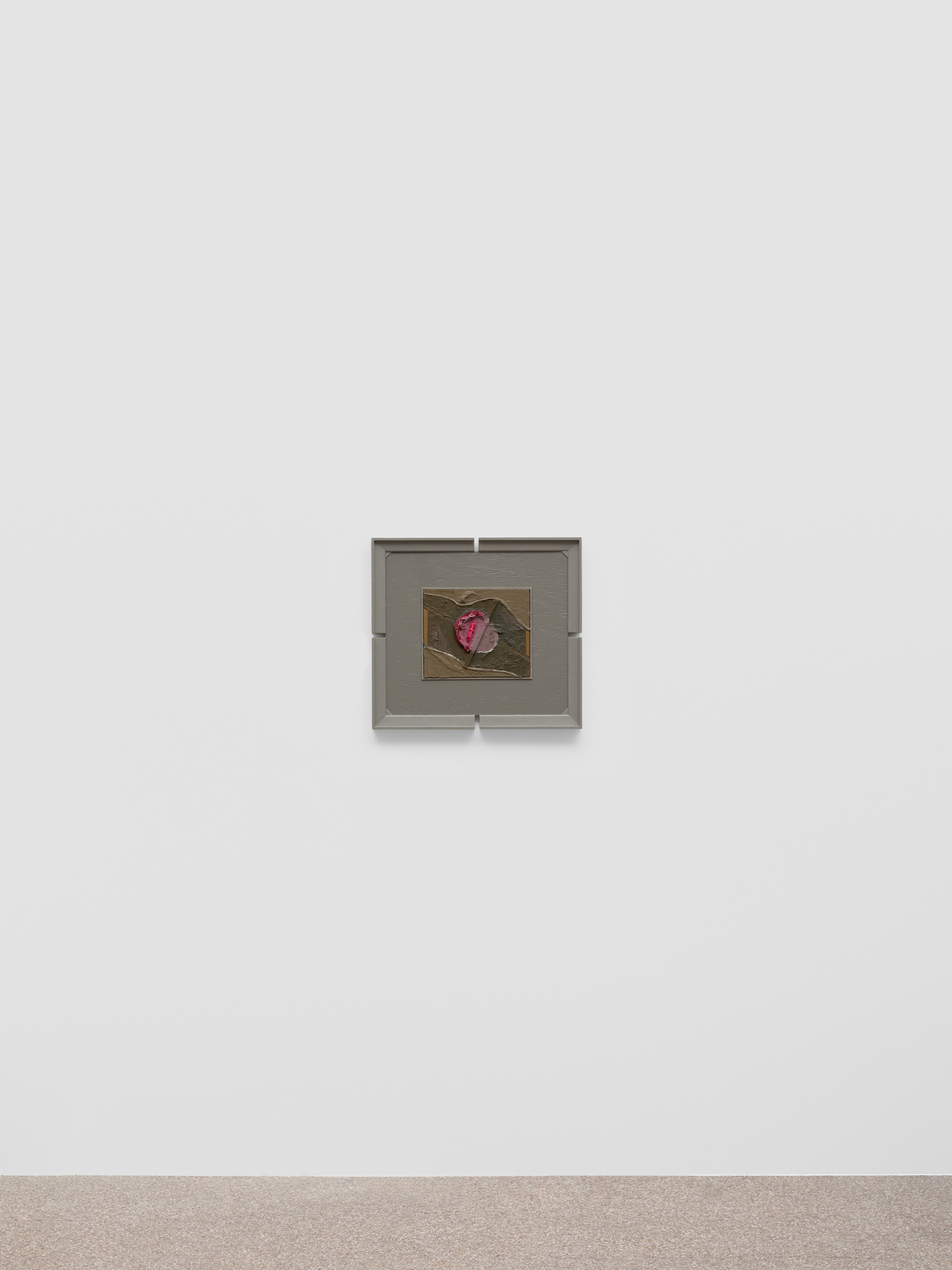
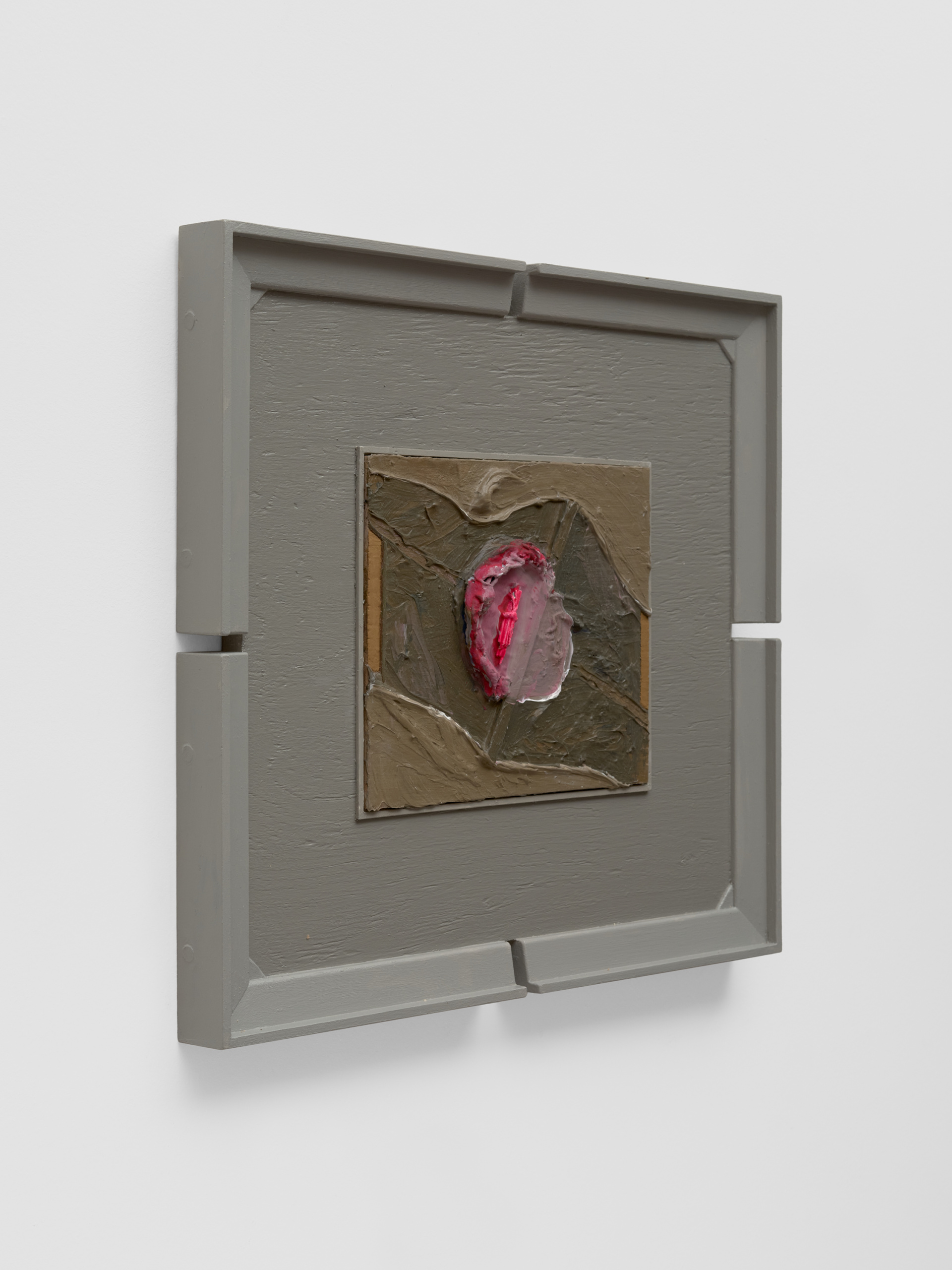
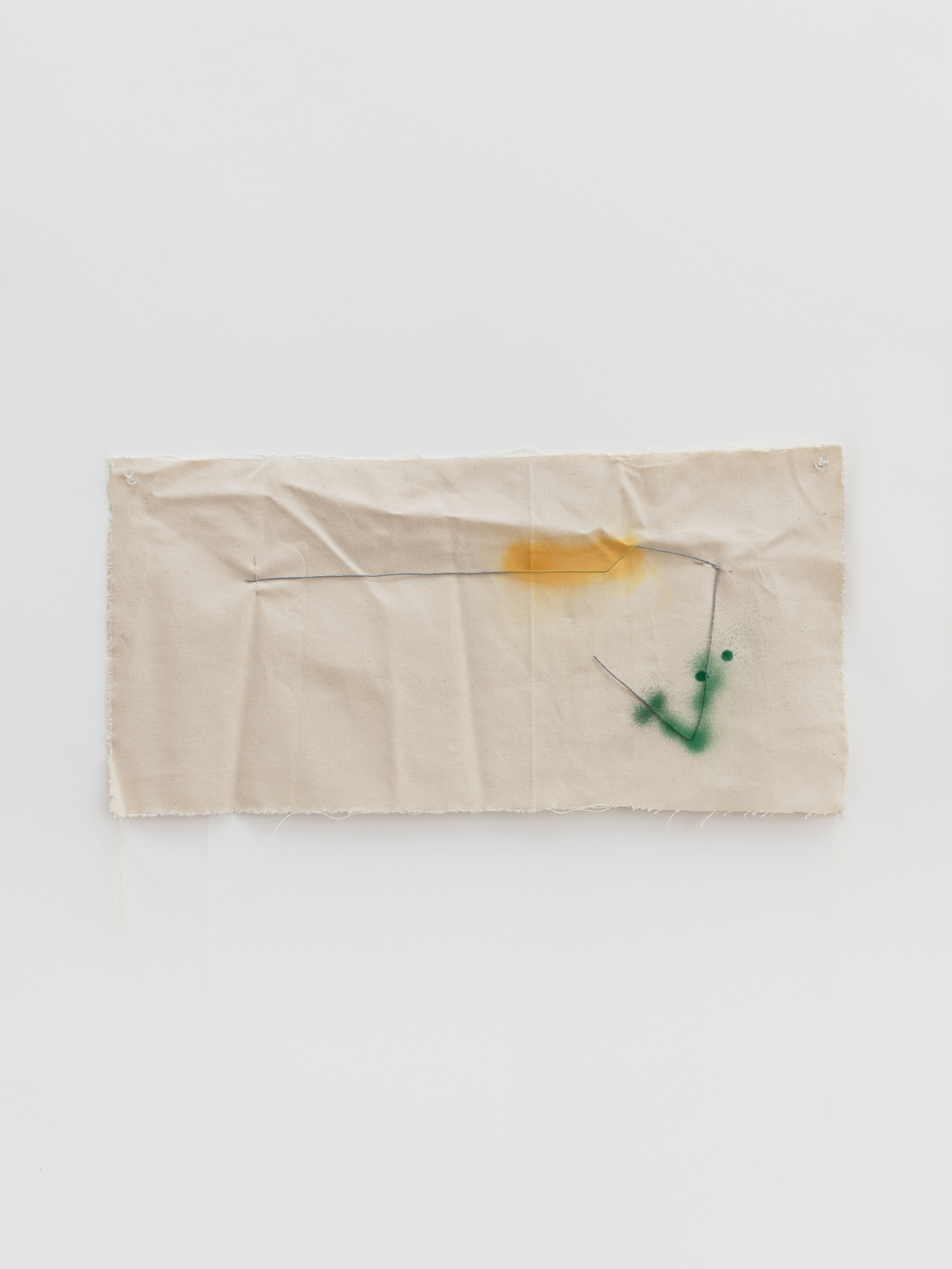
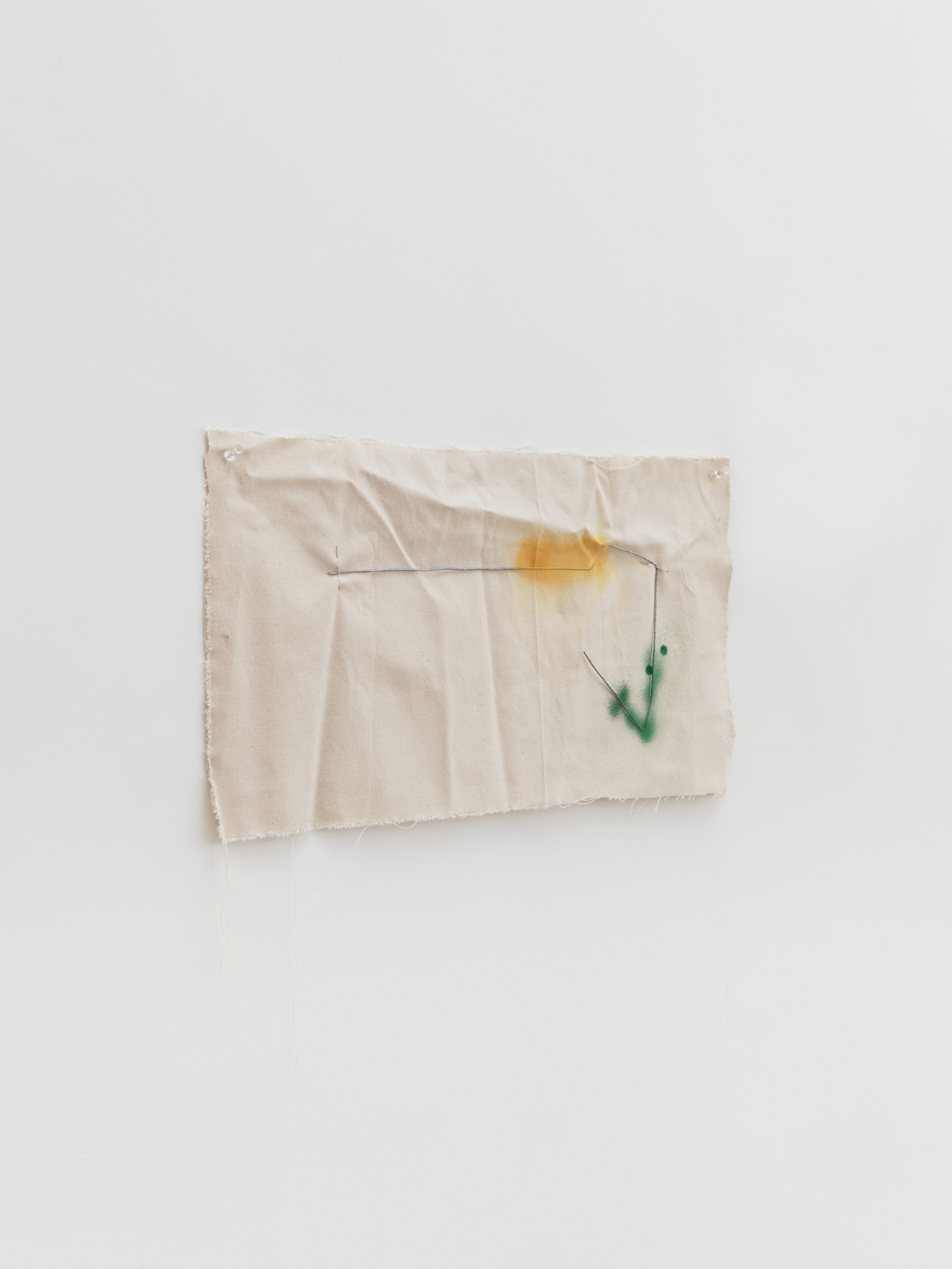
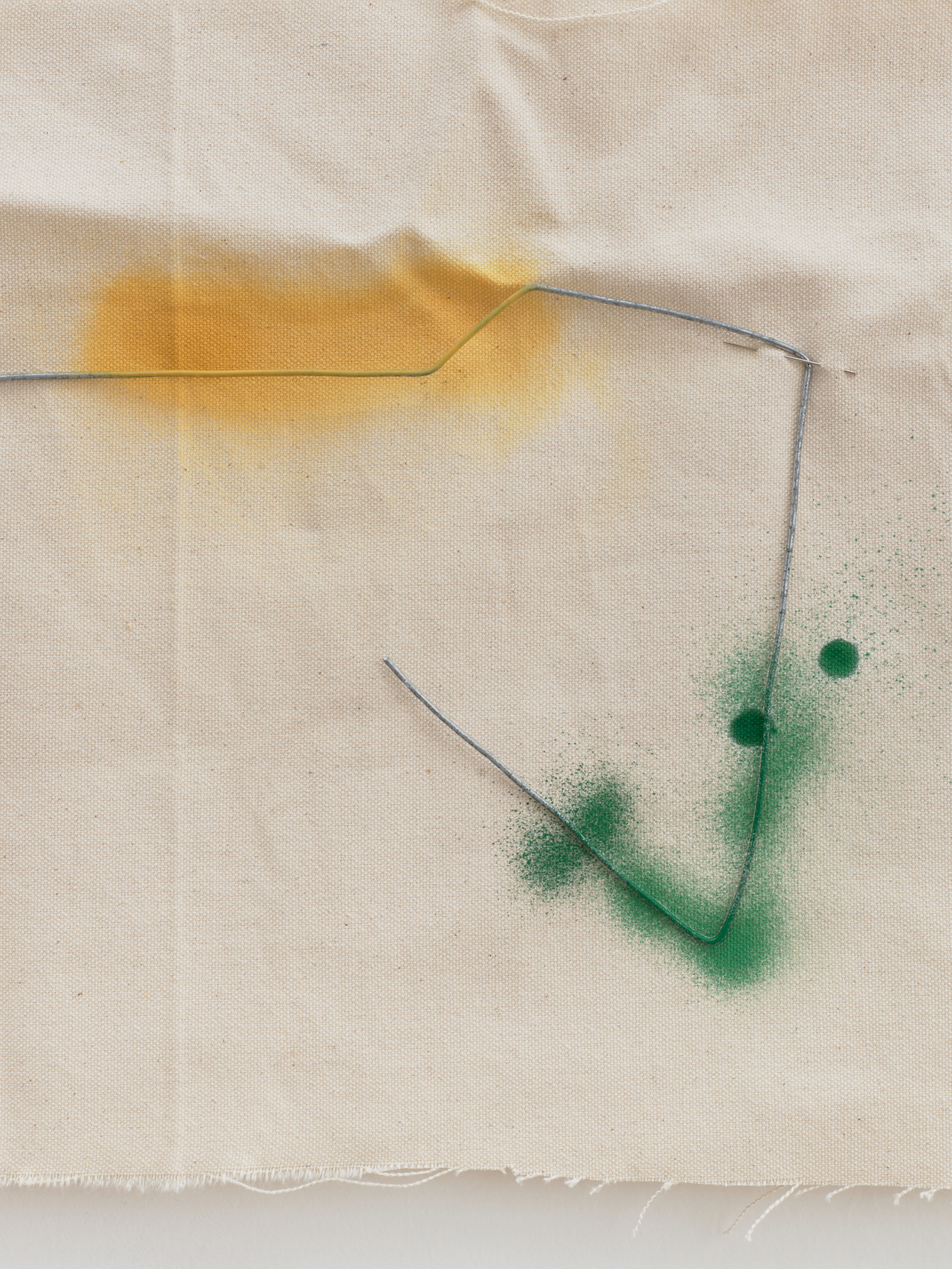
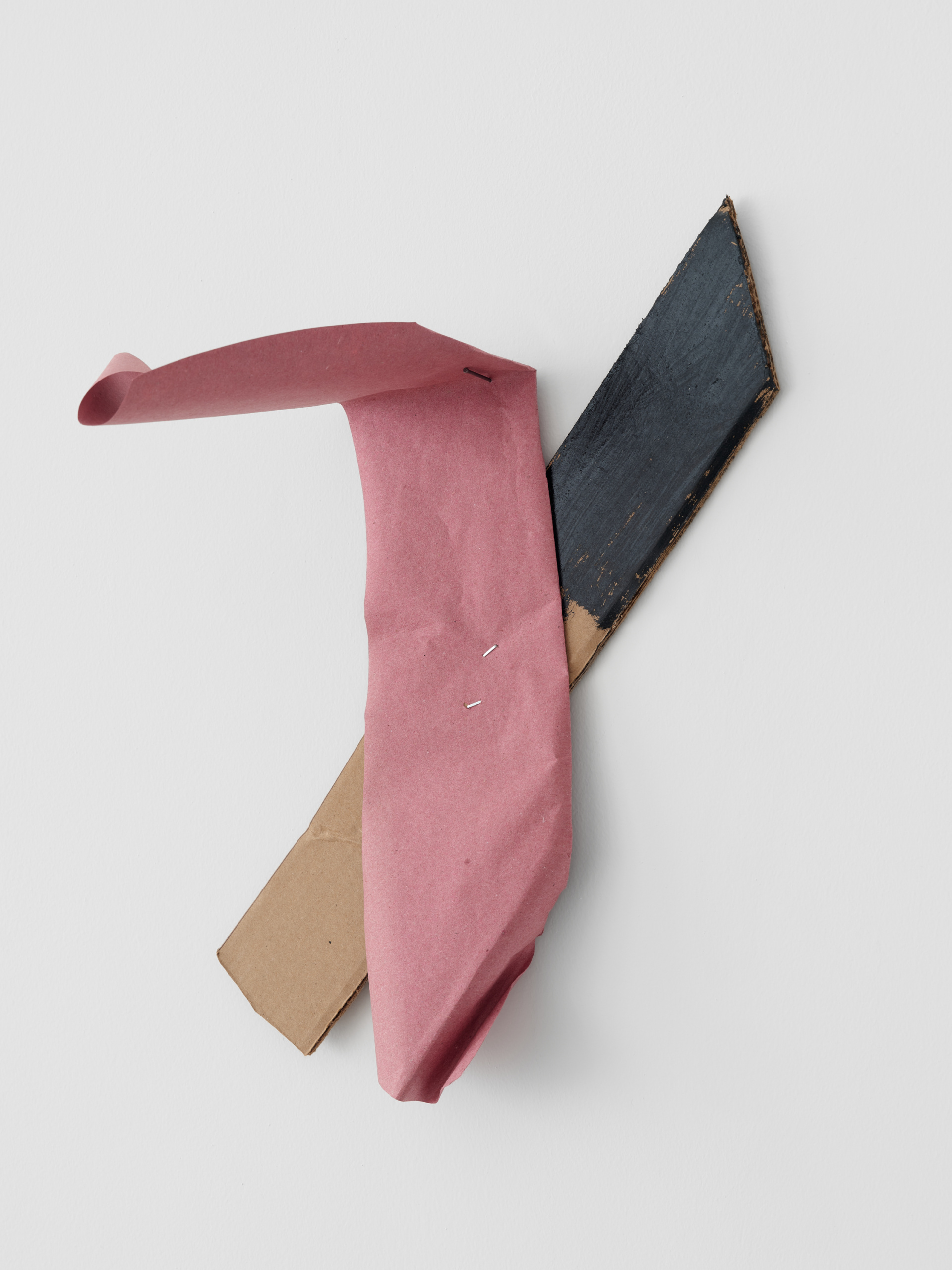
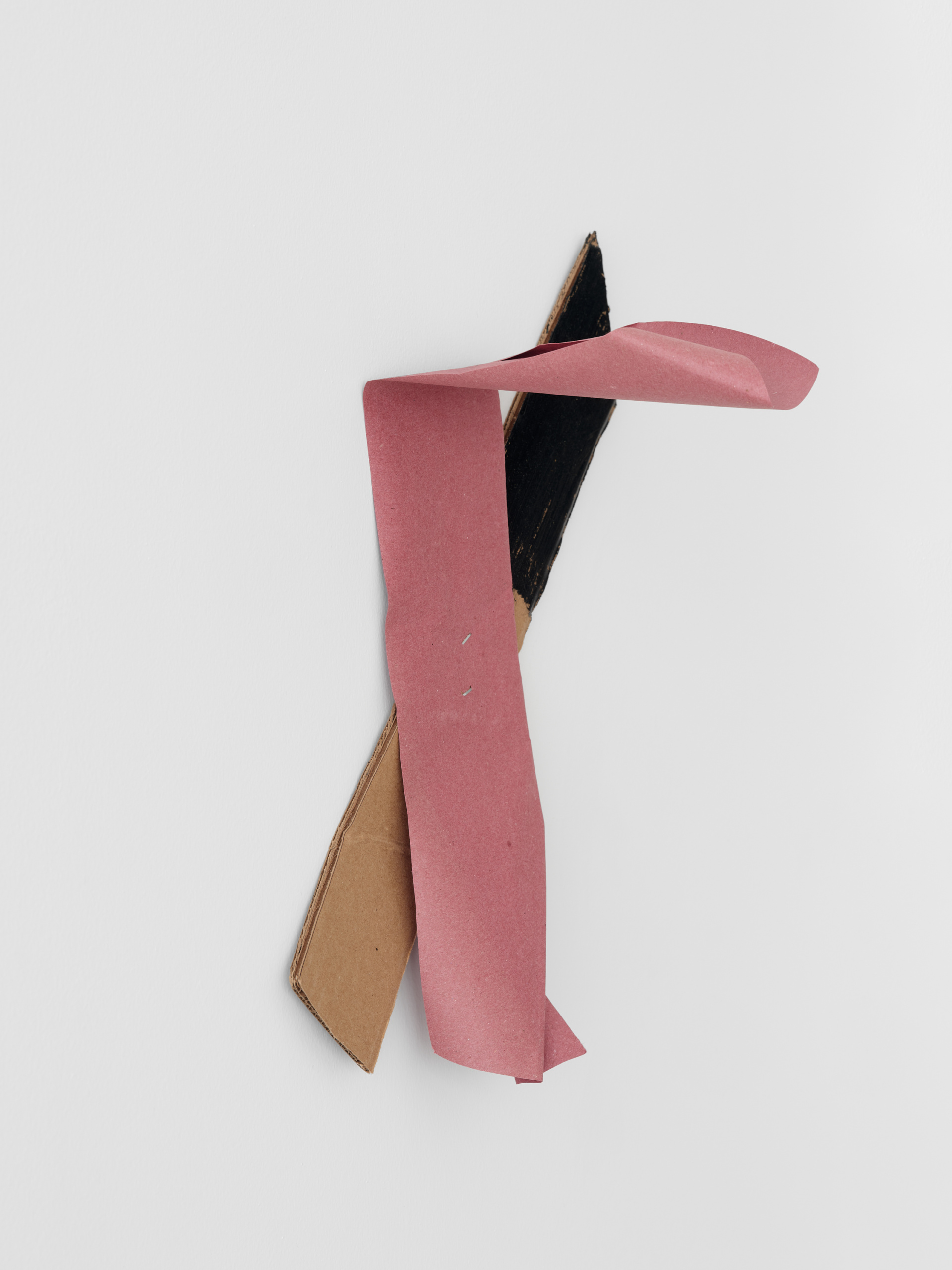
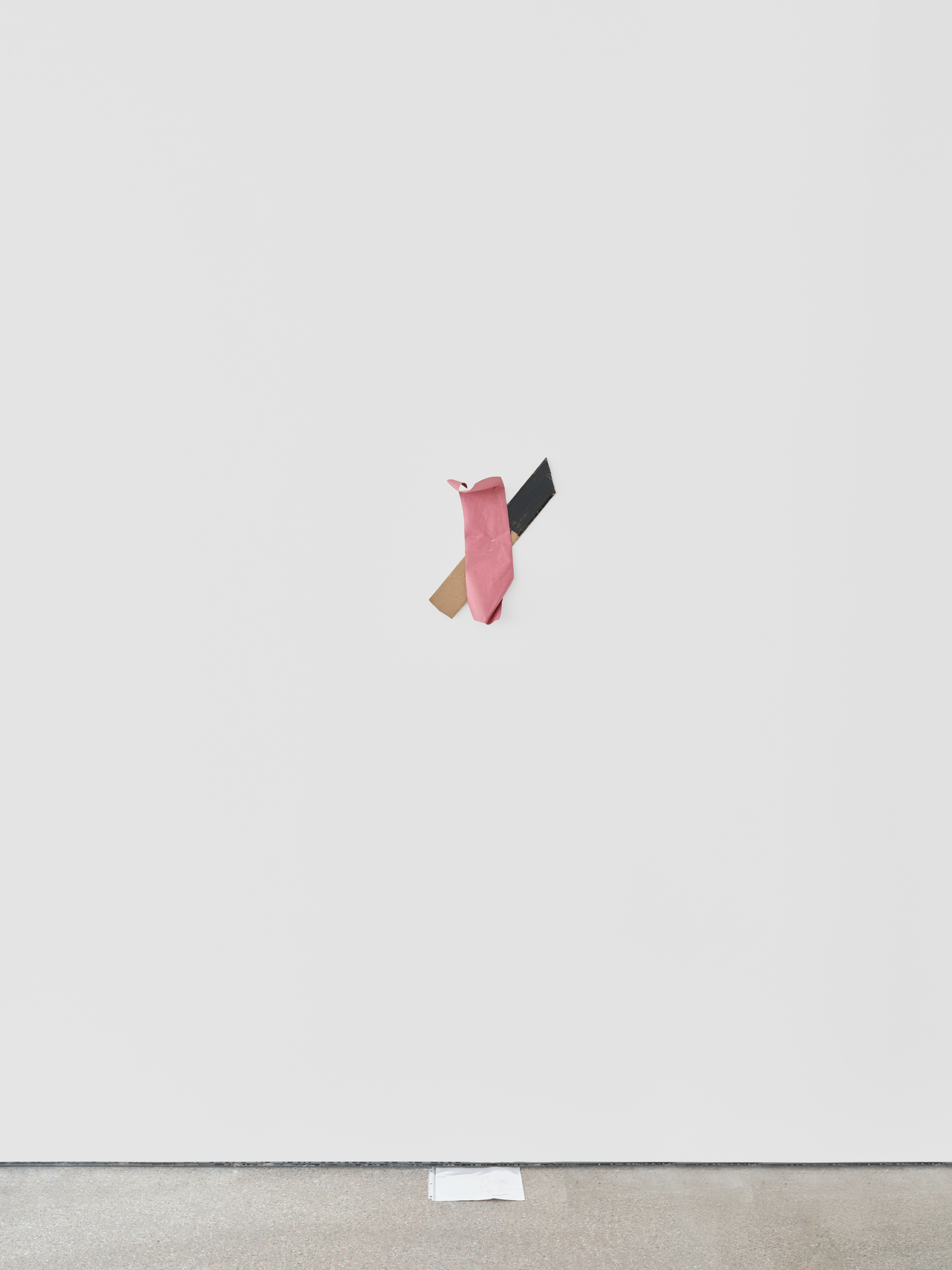
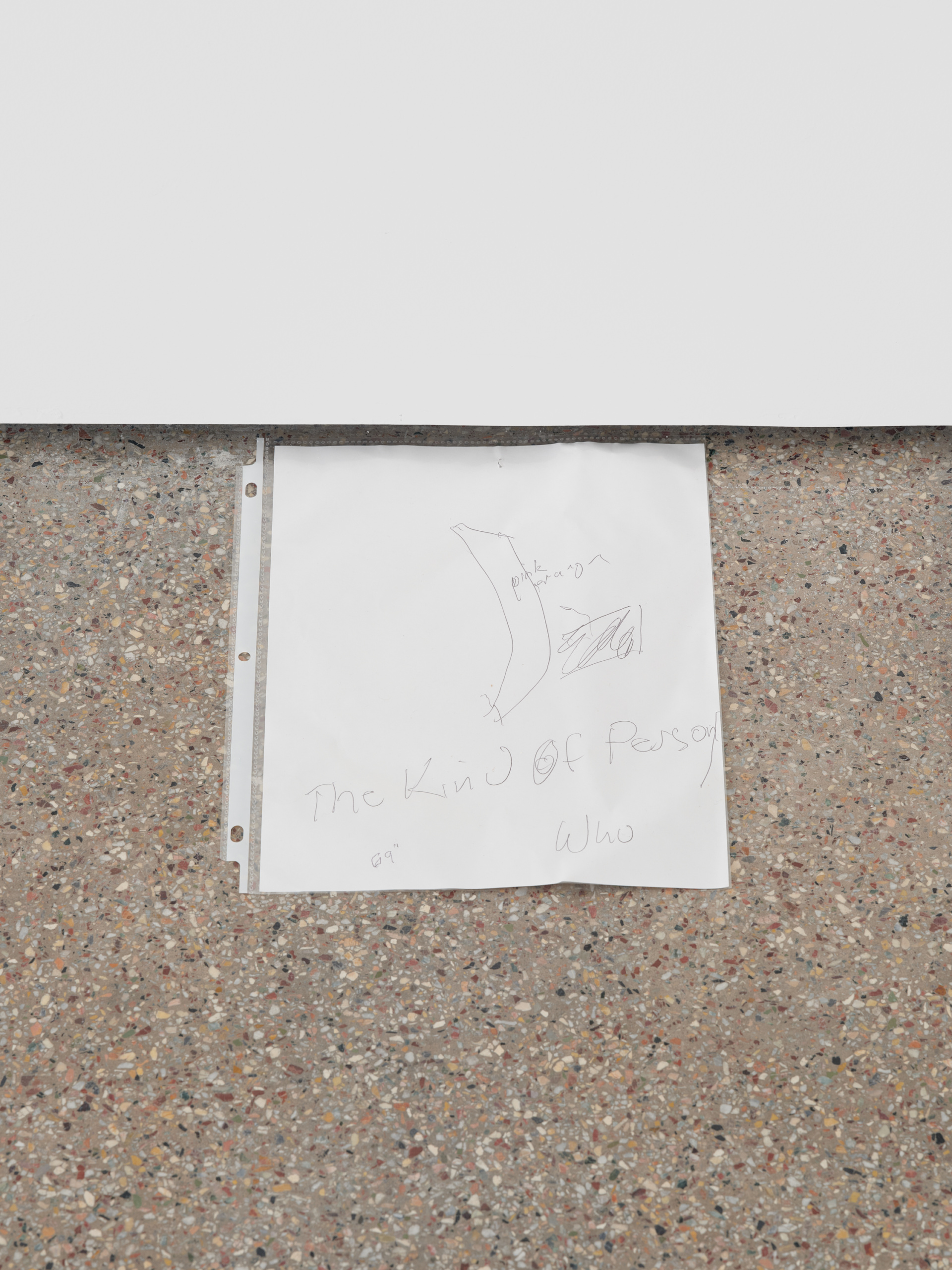
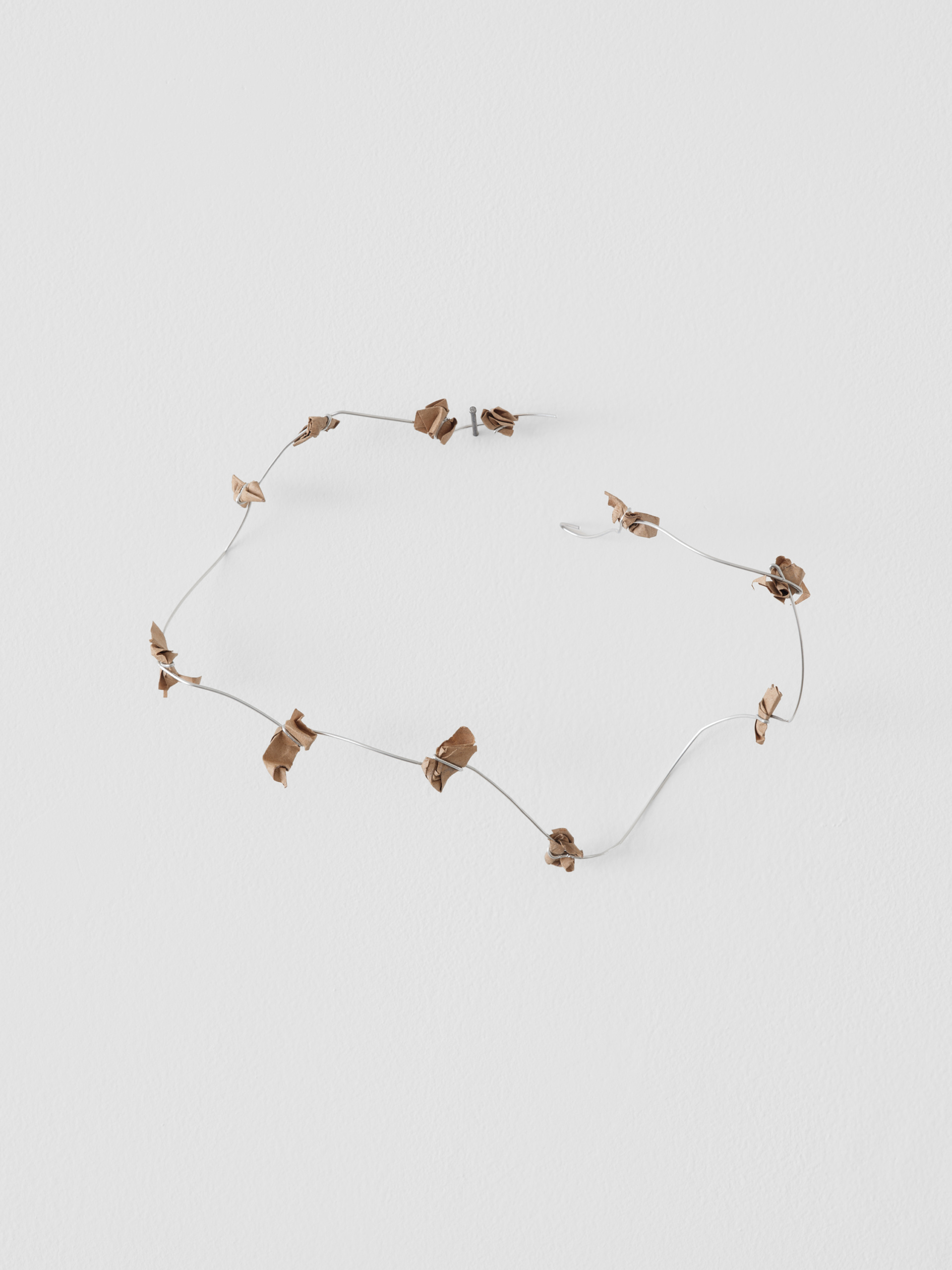
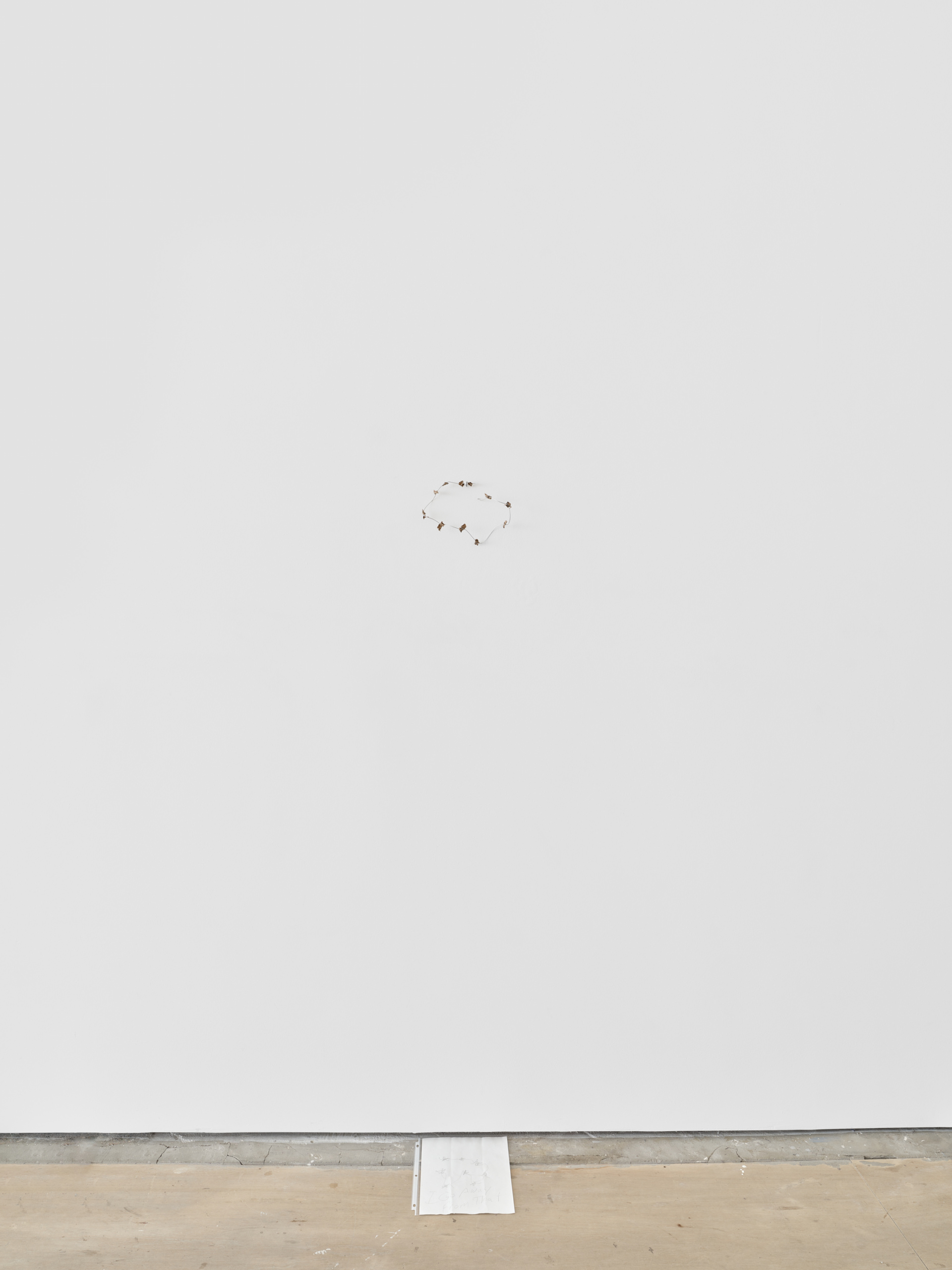
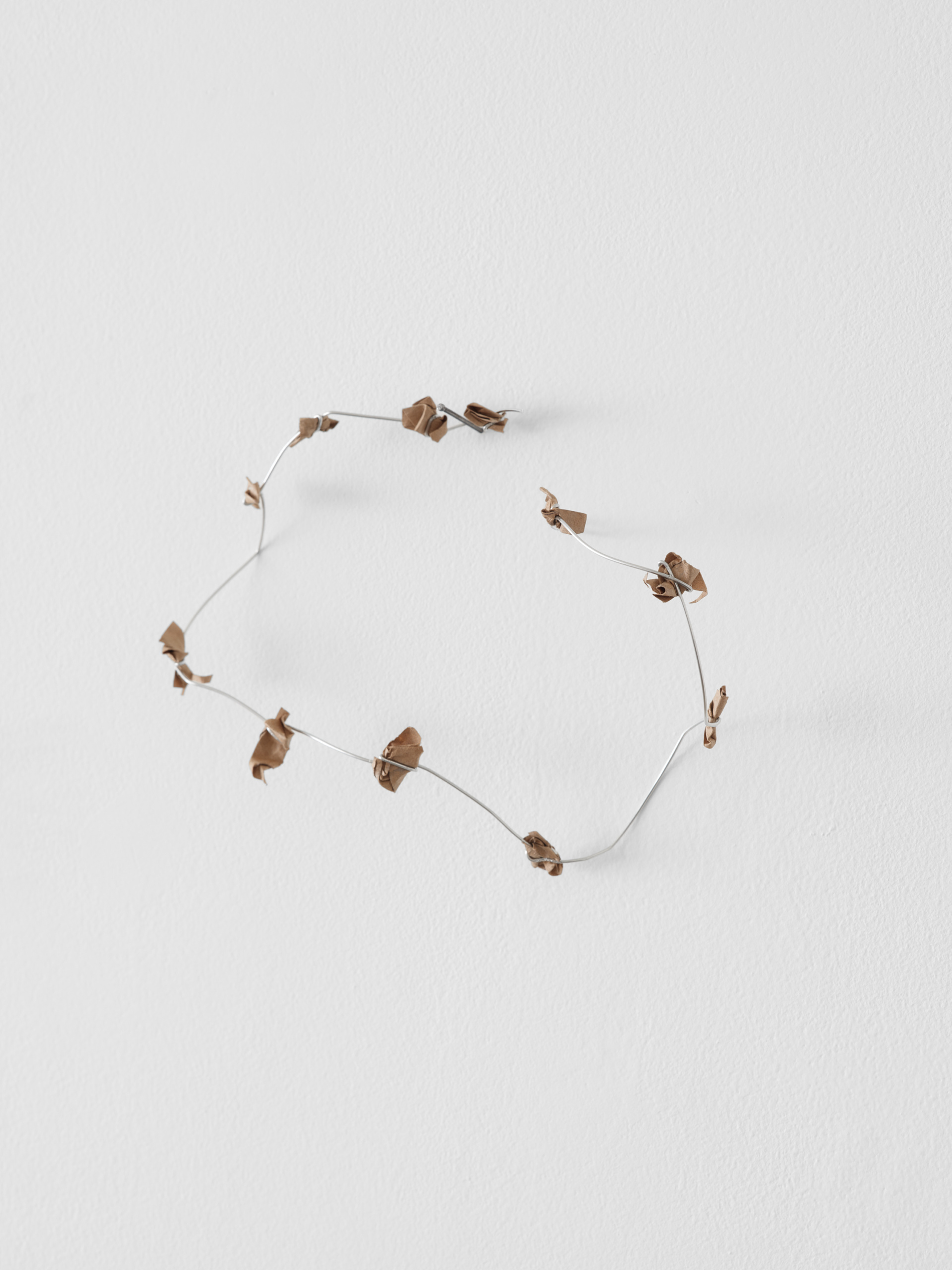
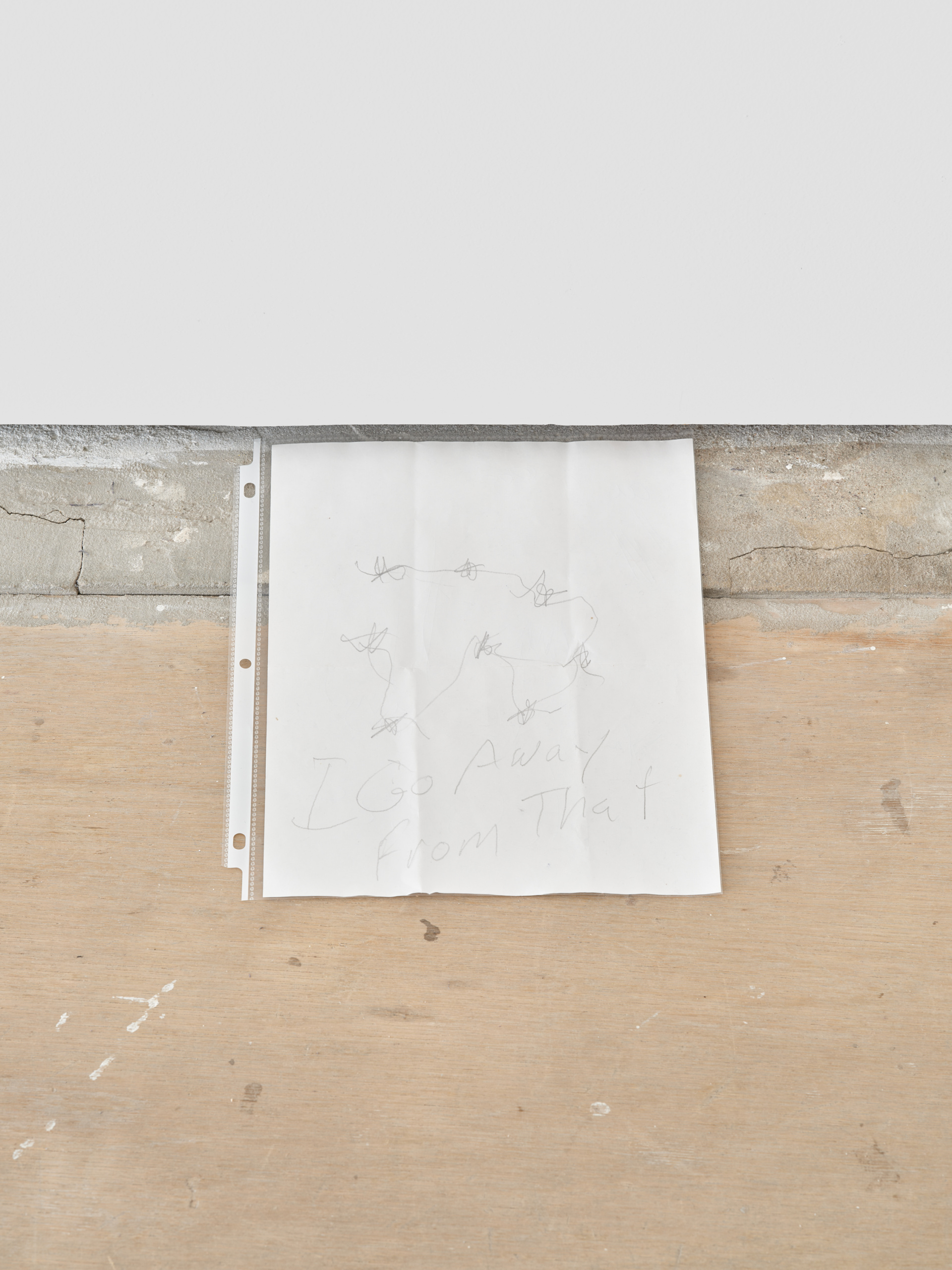
Installation view: Mitsuko Miwa, Leap Second, Galerie Greta Meert, 2024
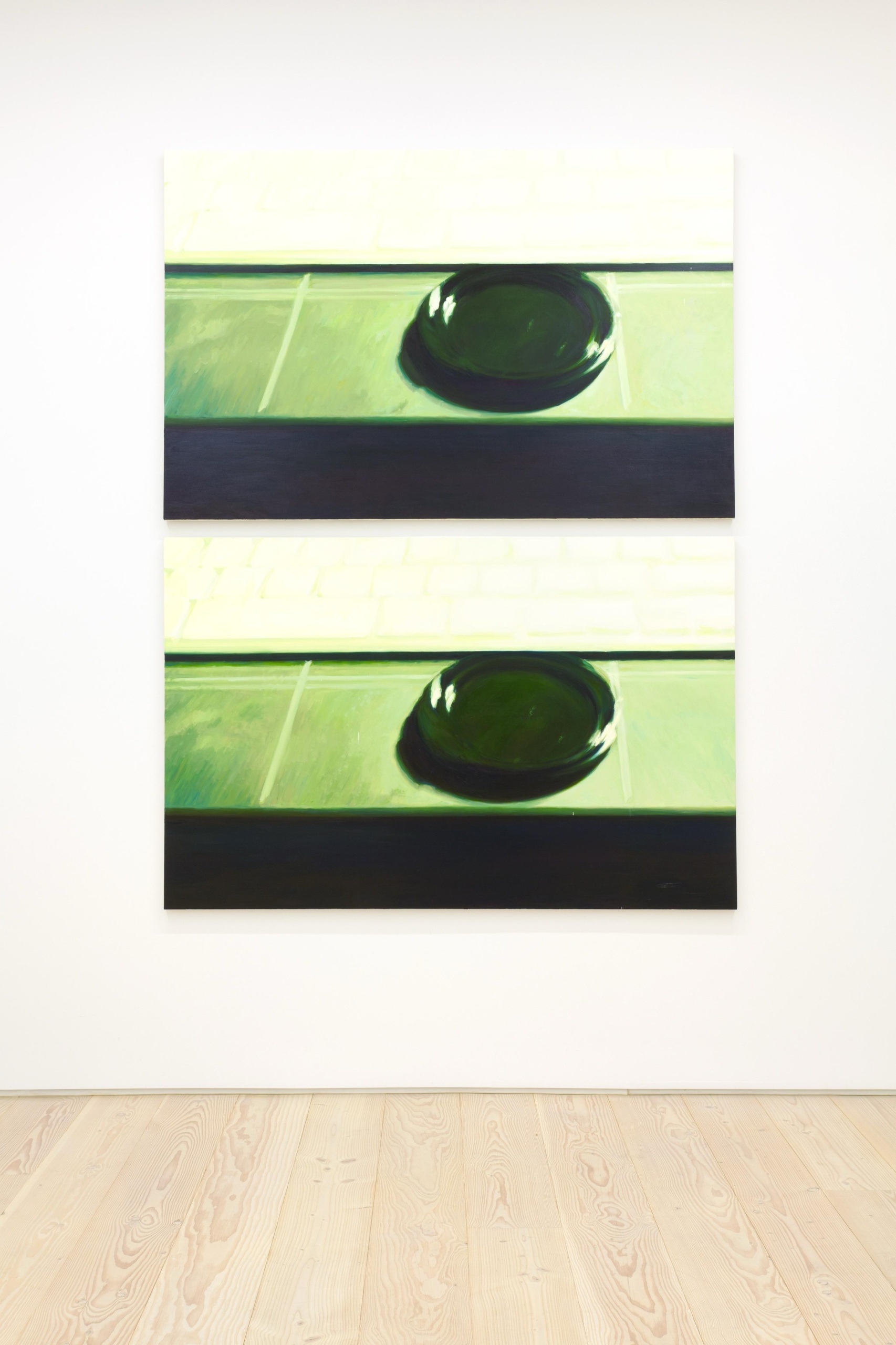
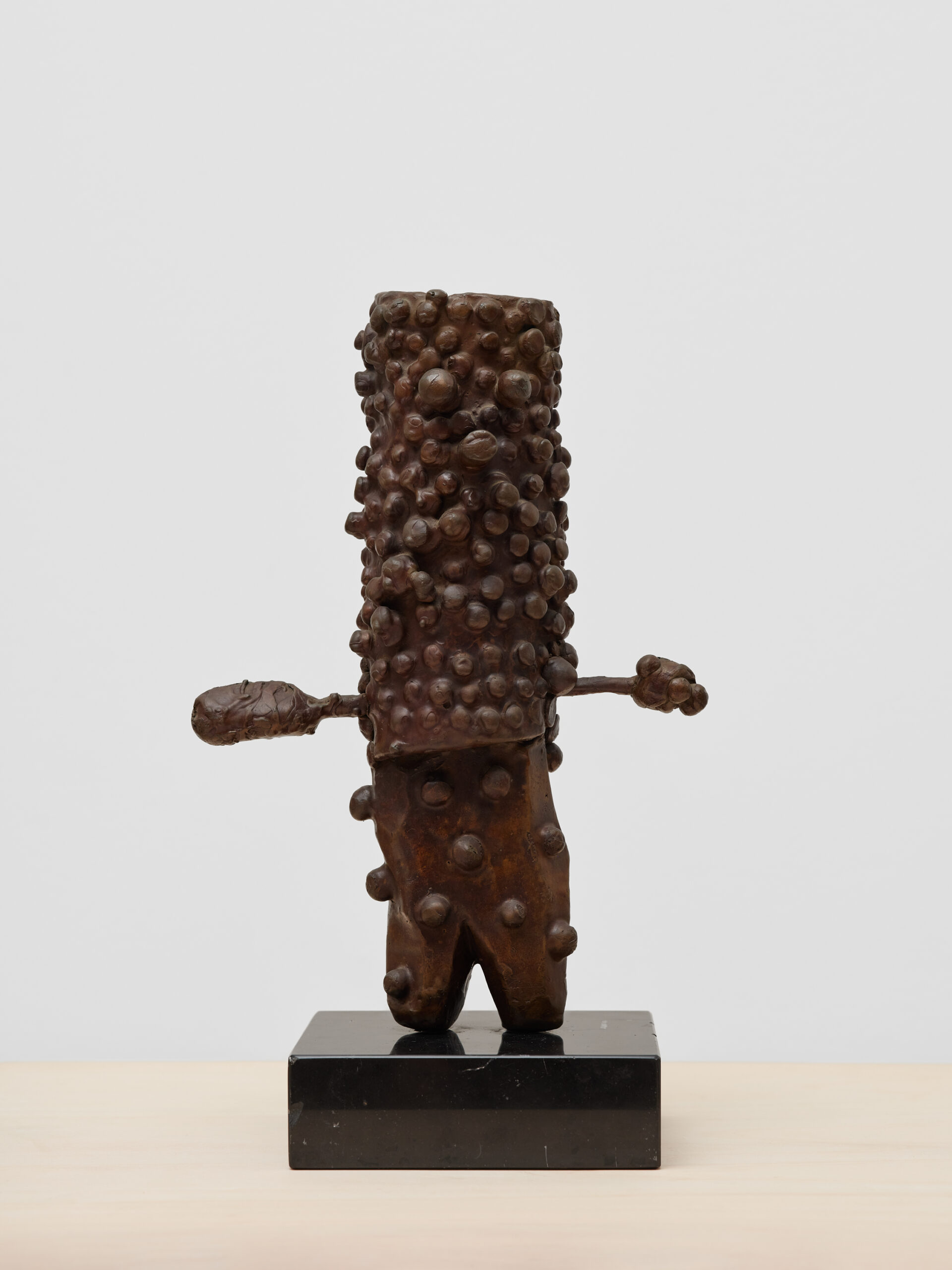
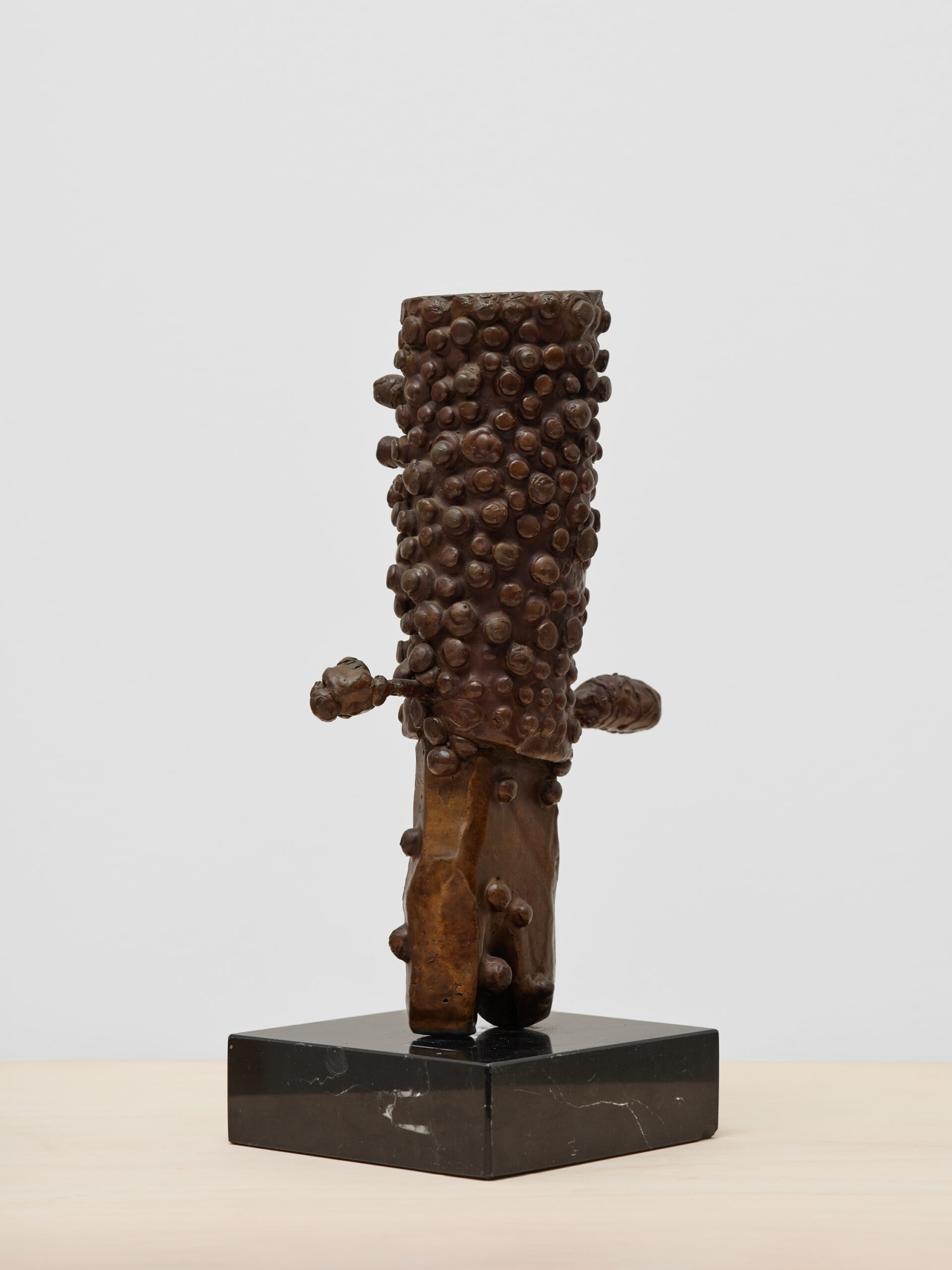
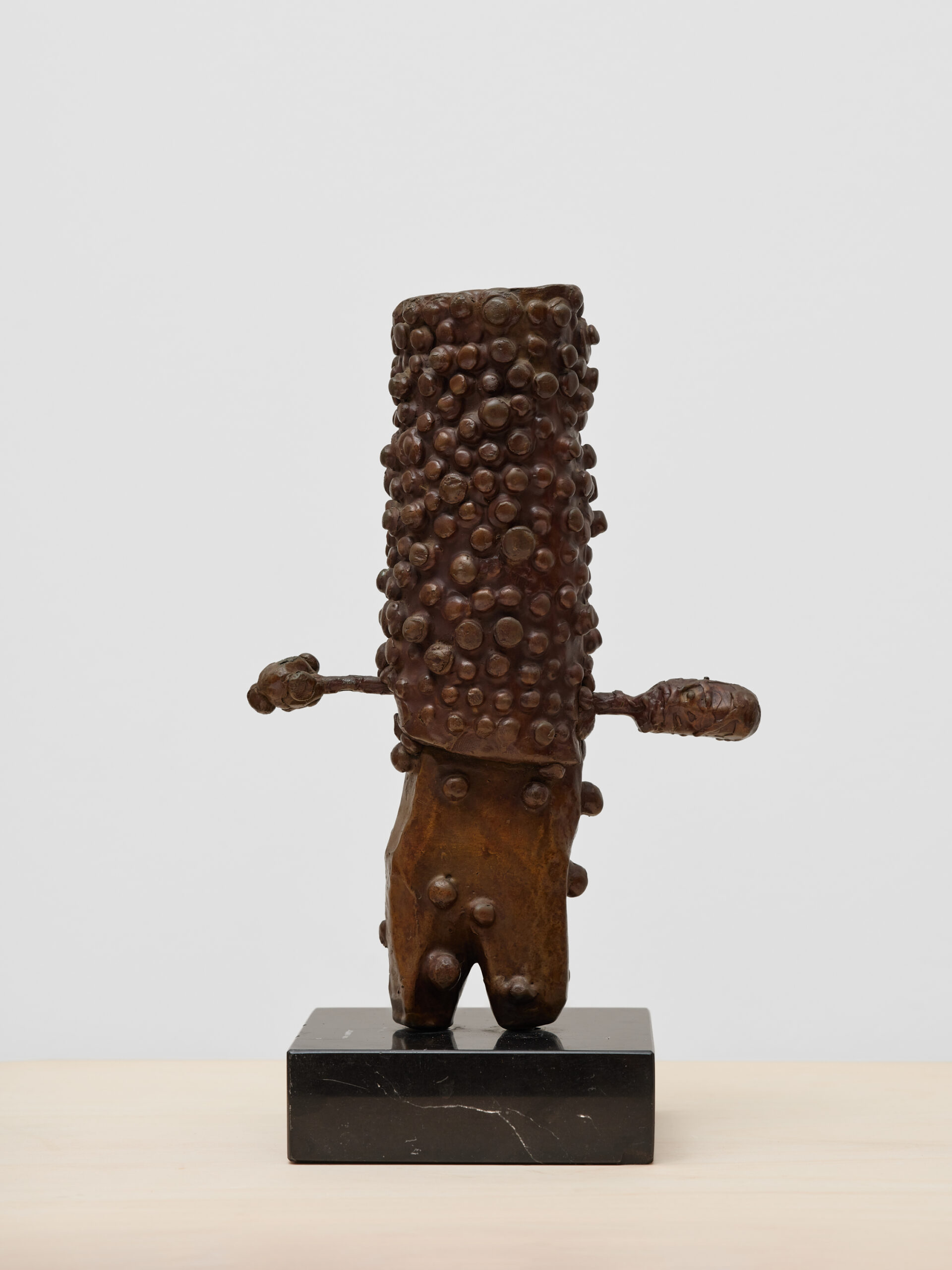
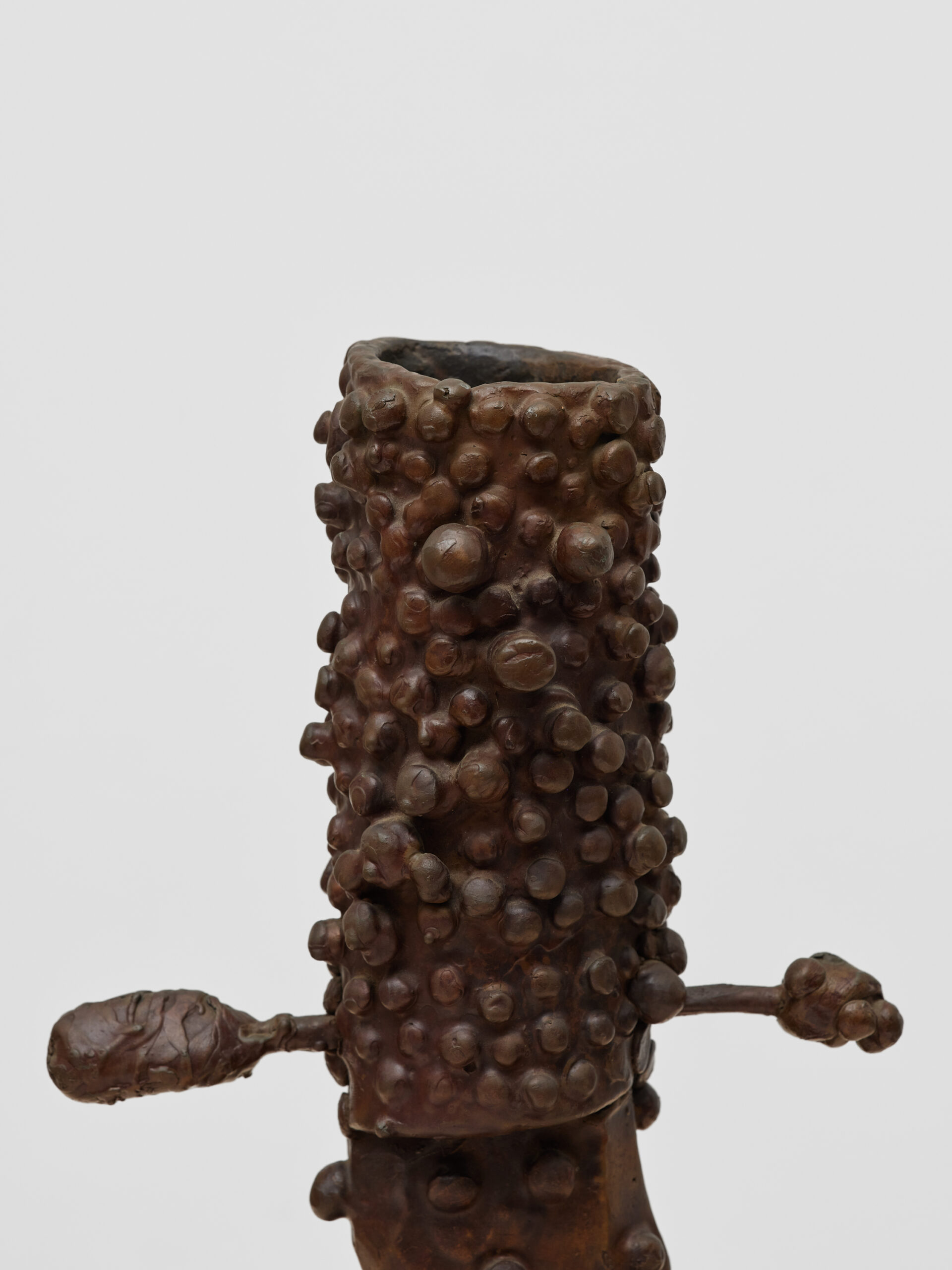
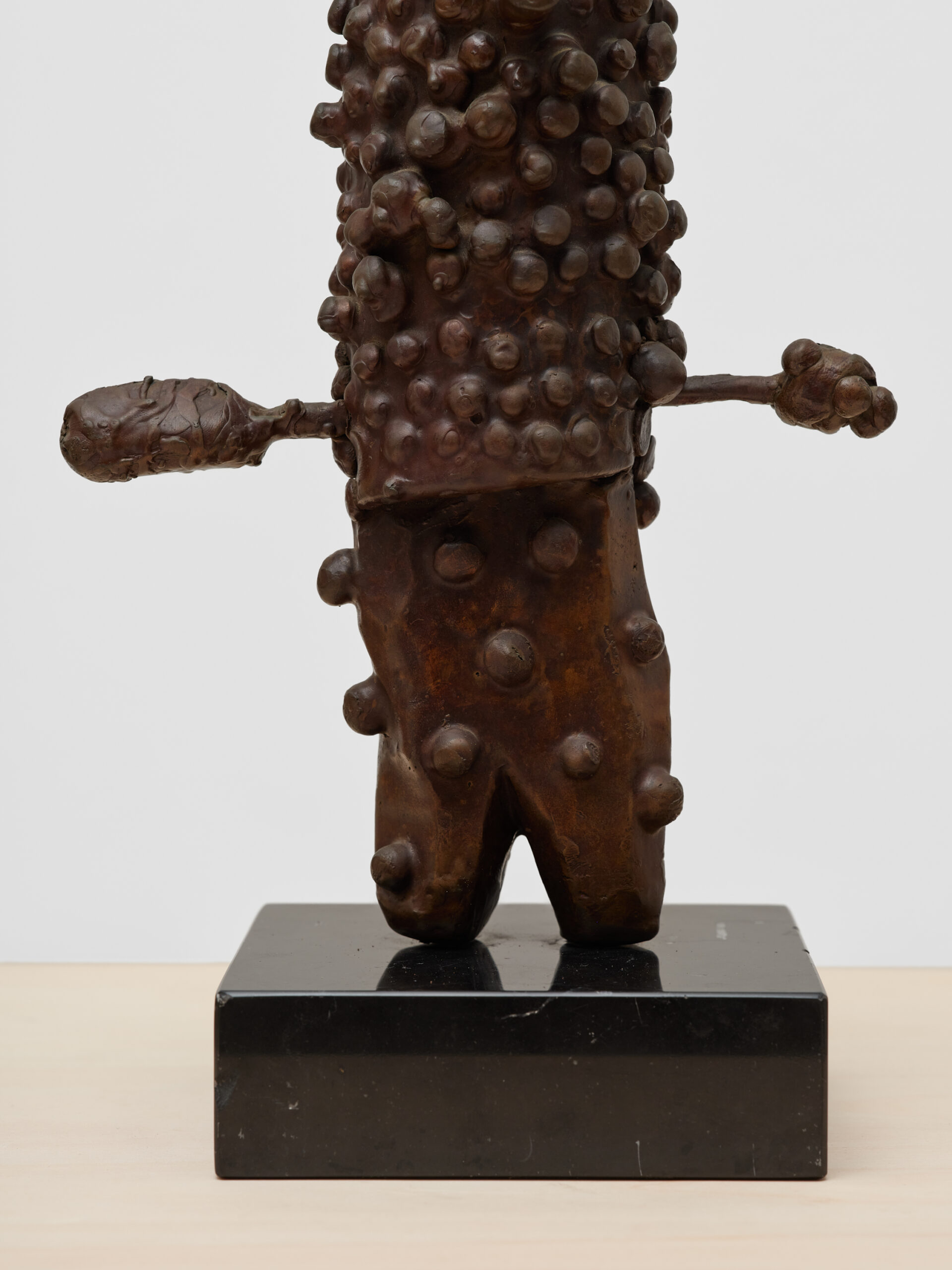
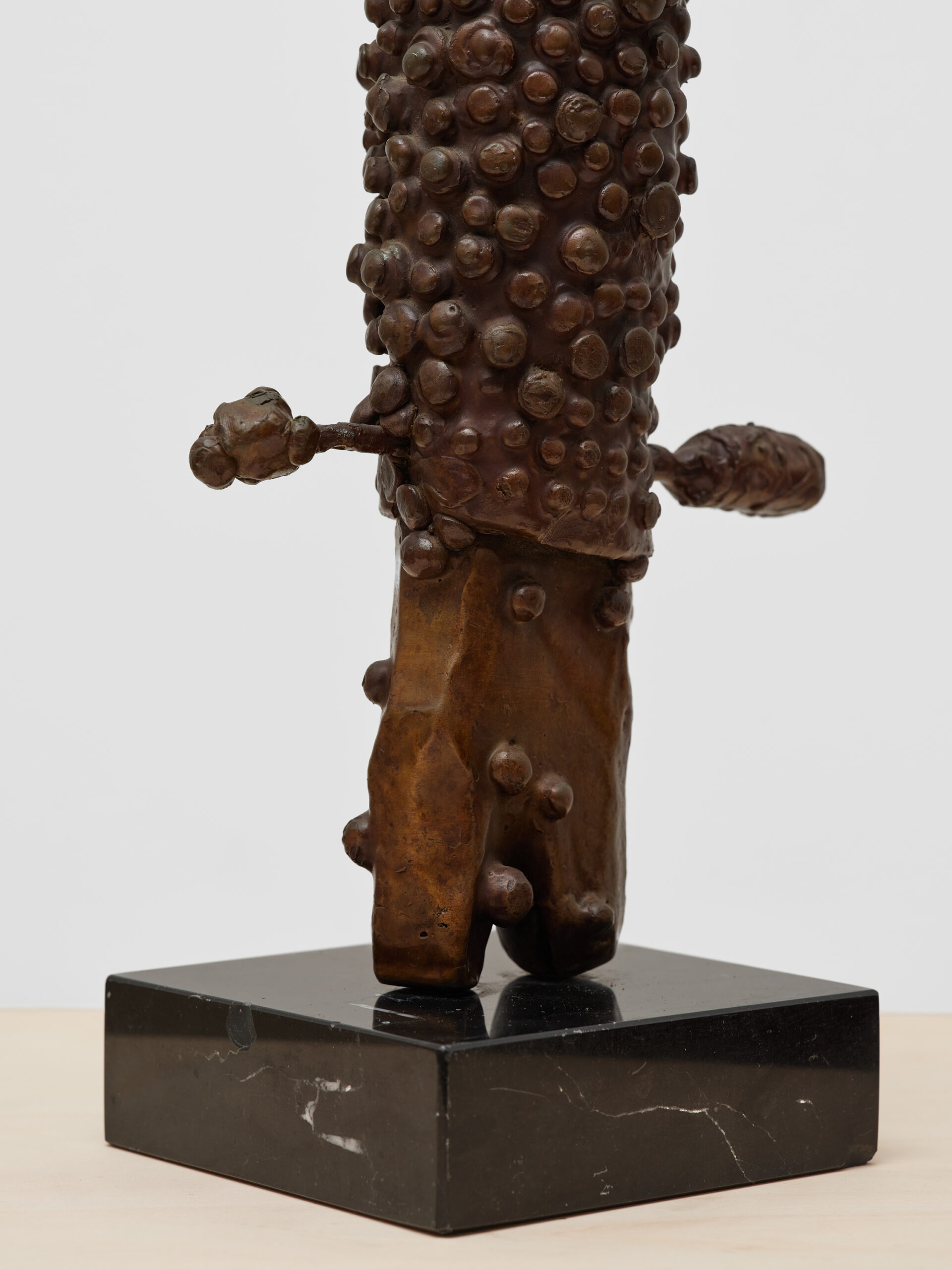
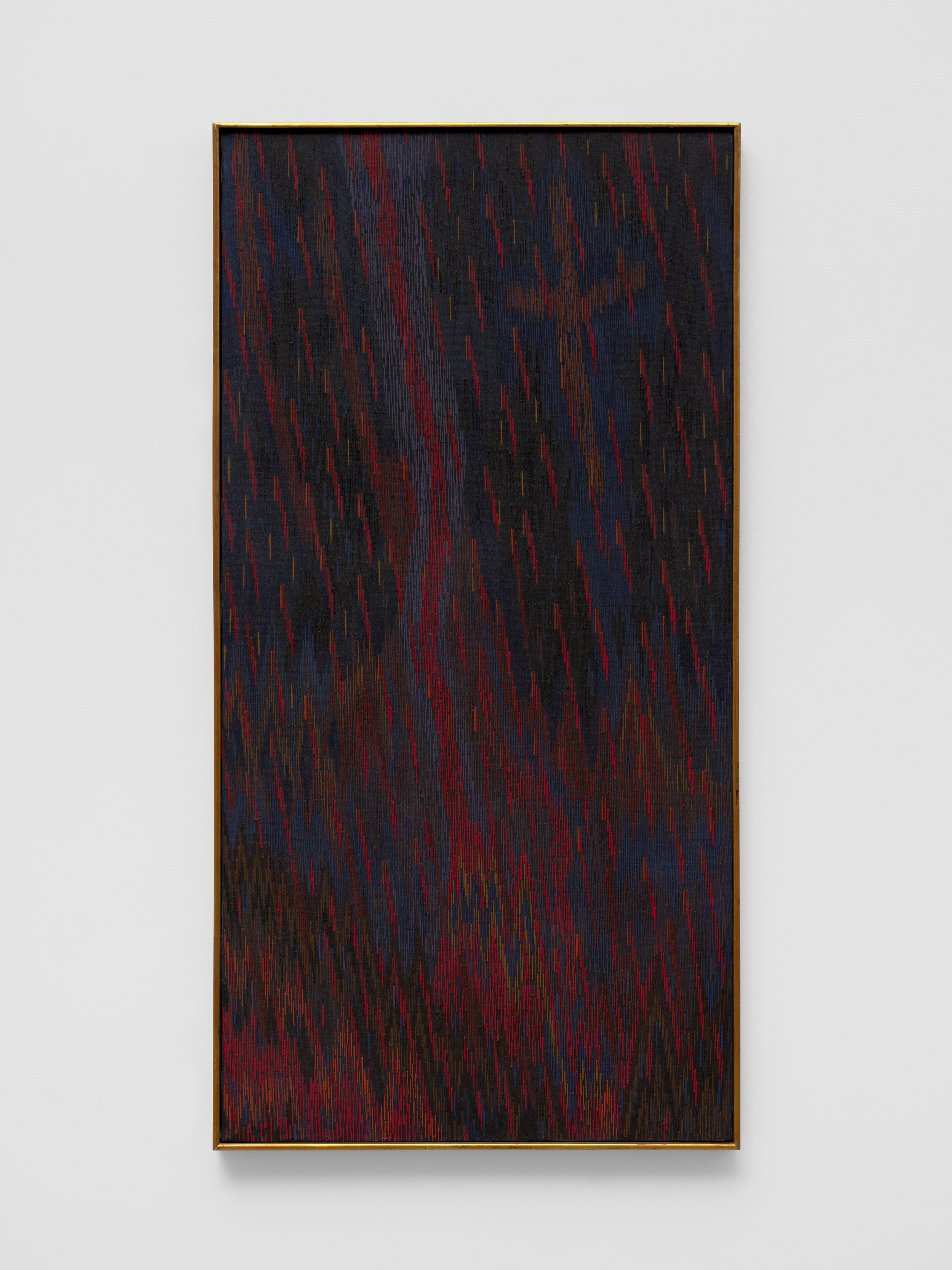
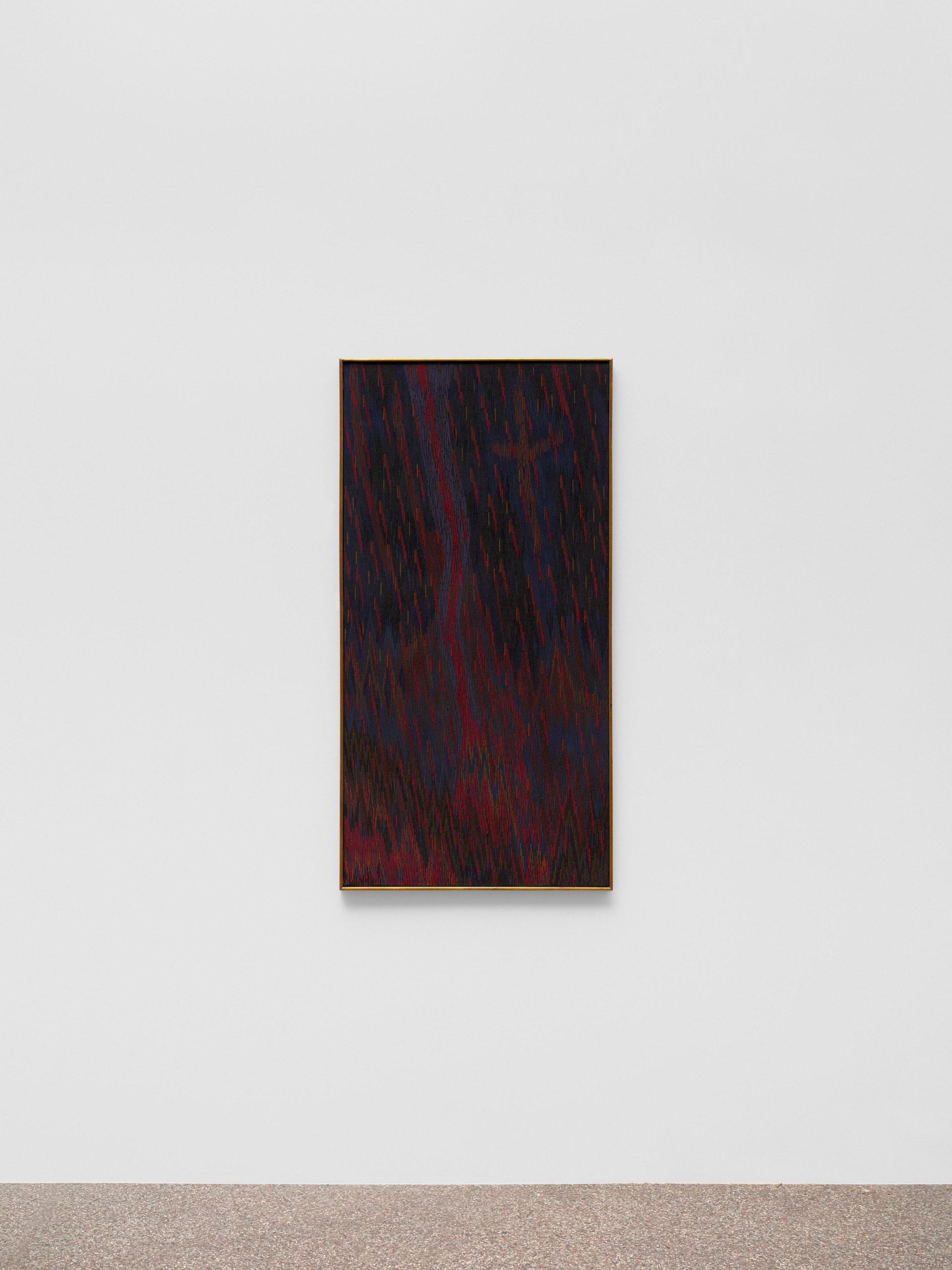
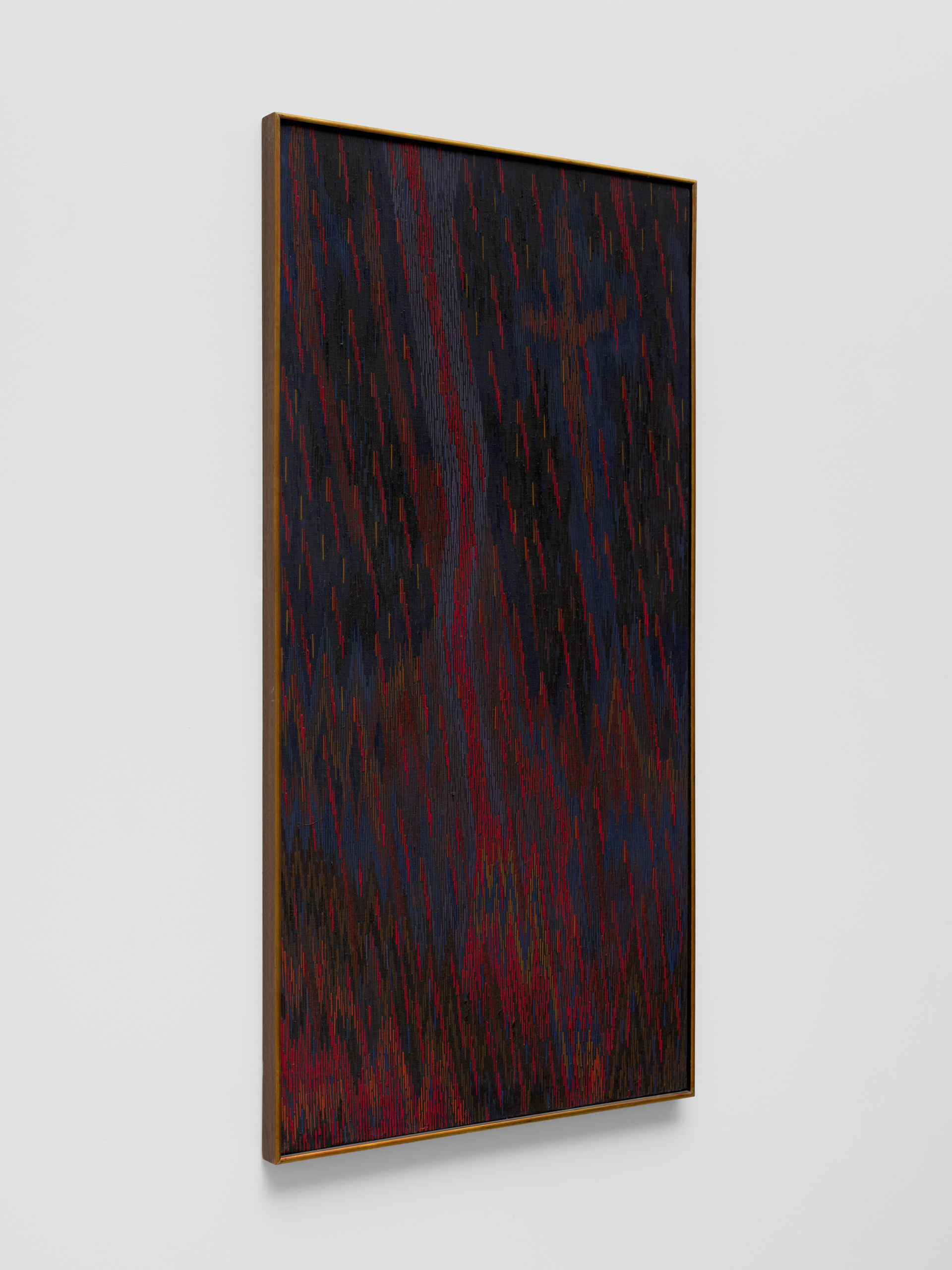
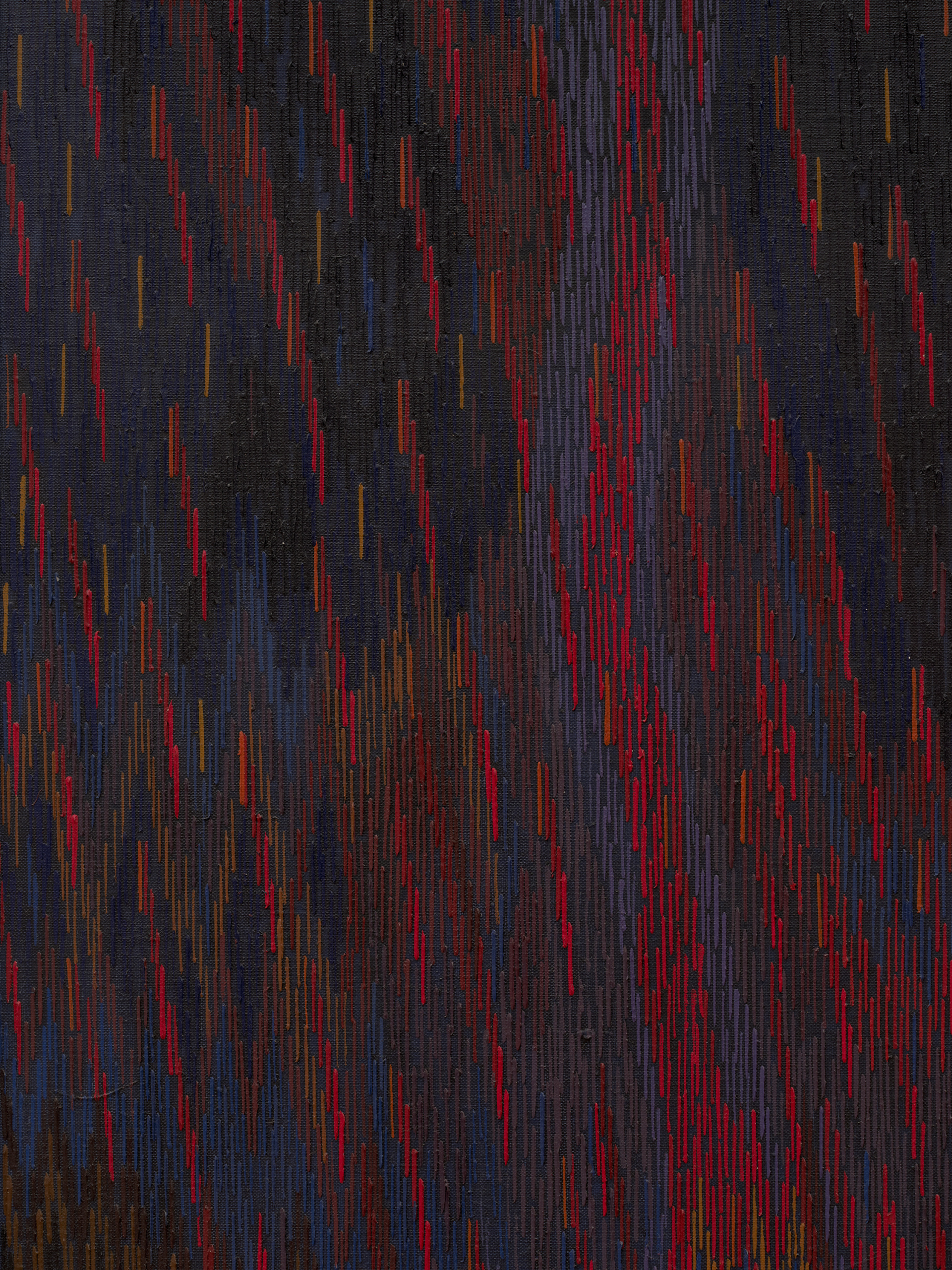
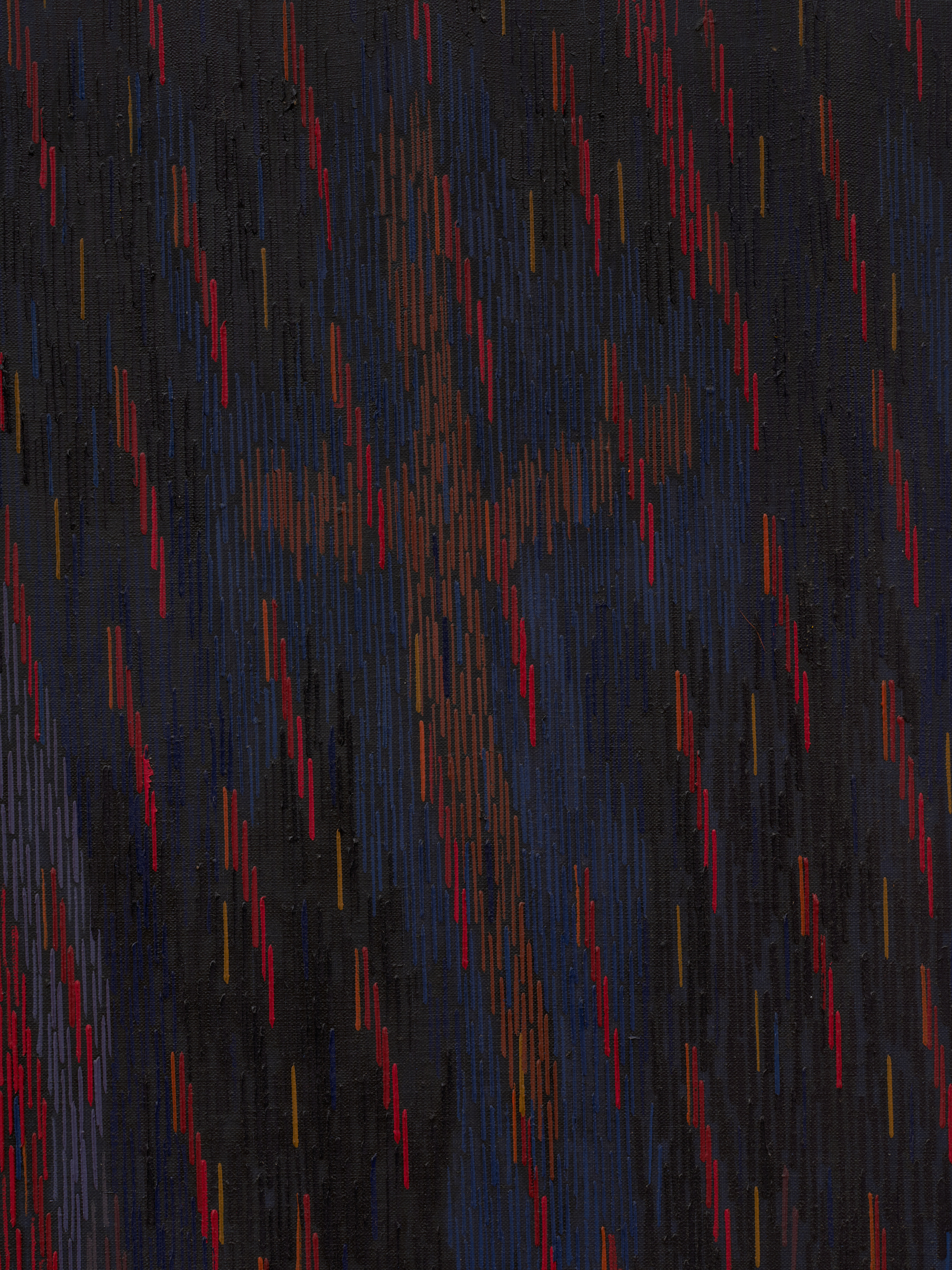
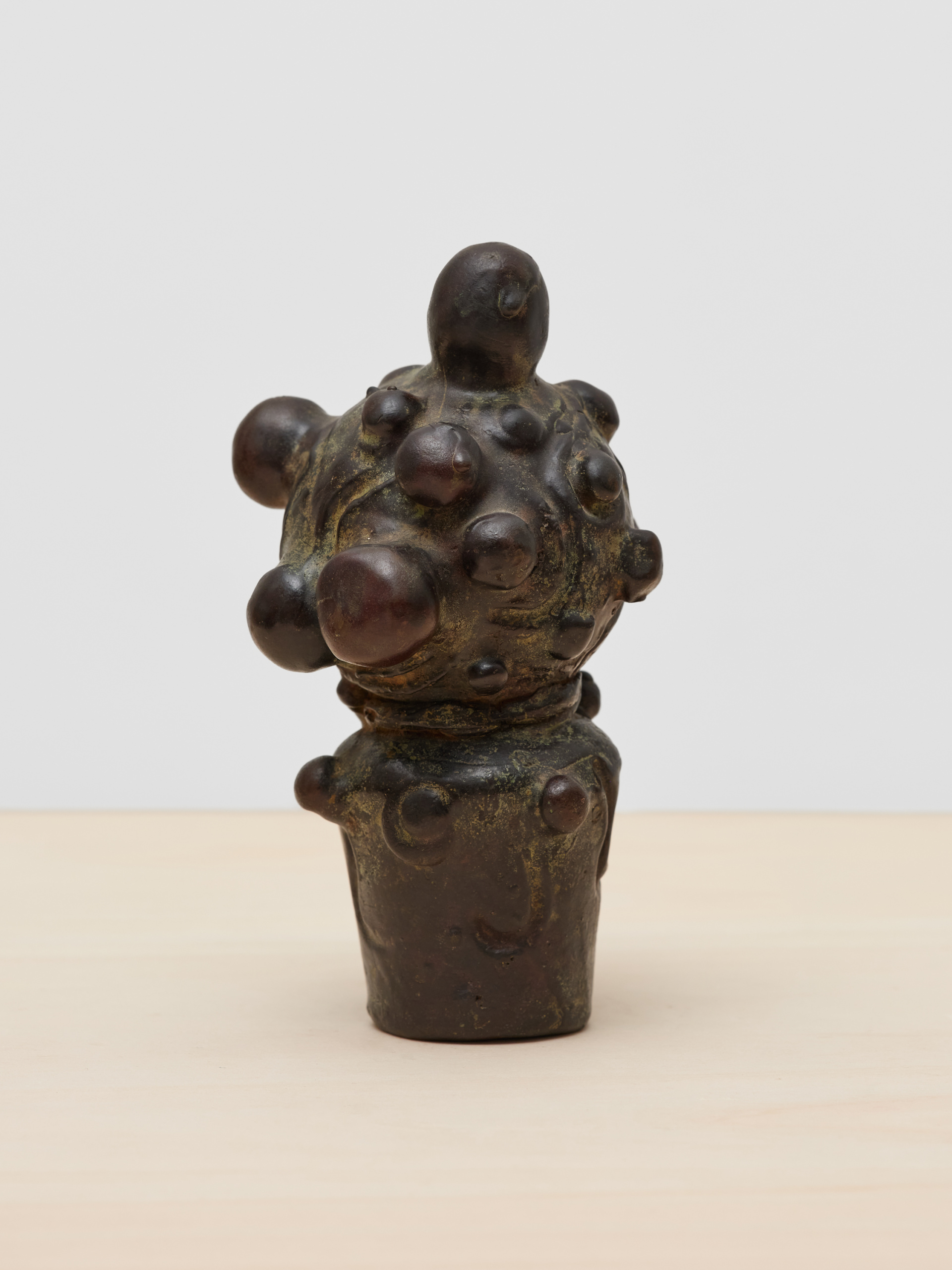
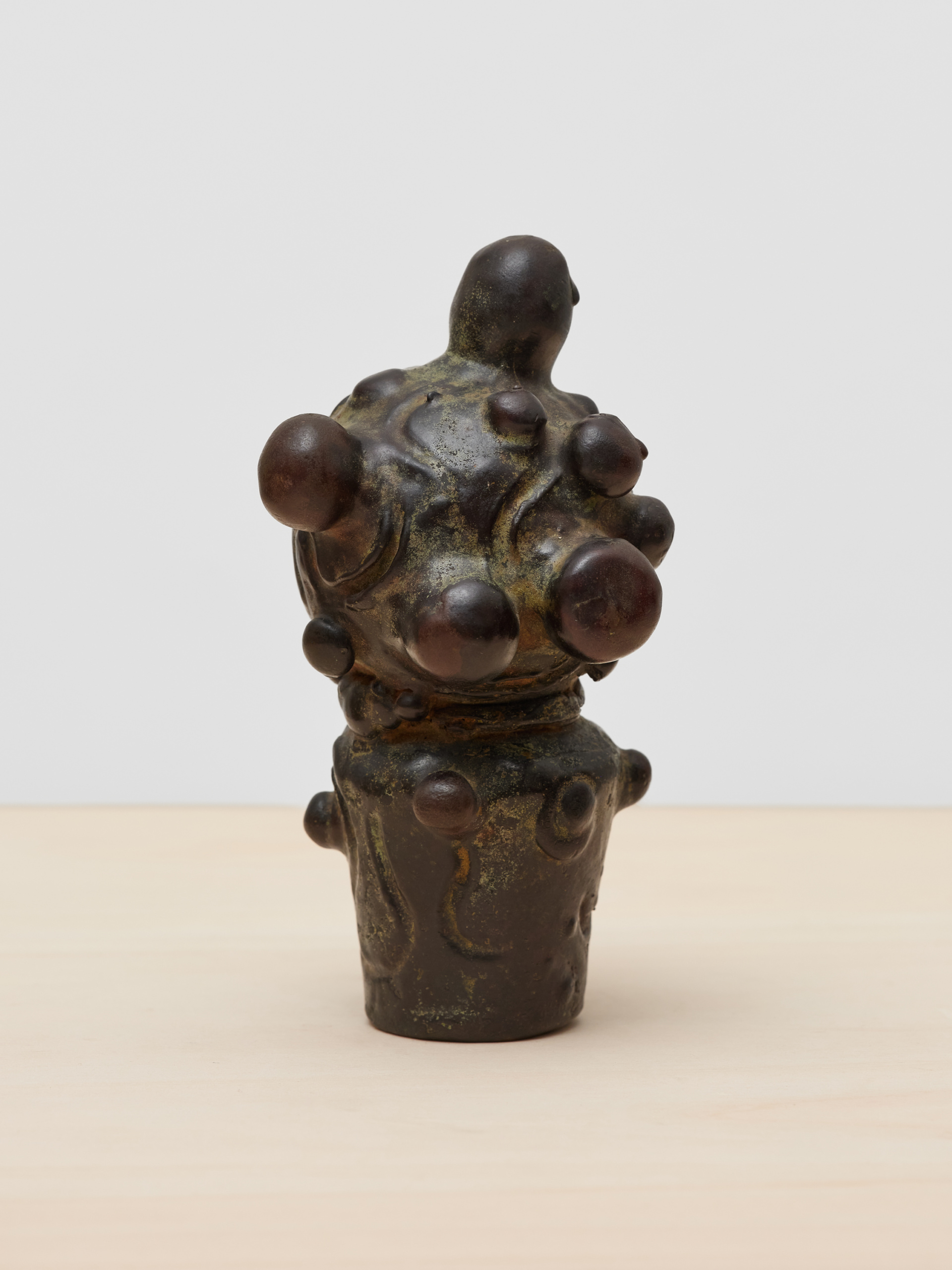
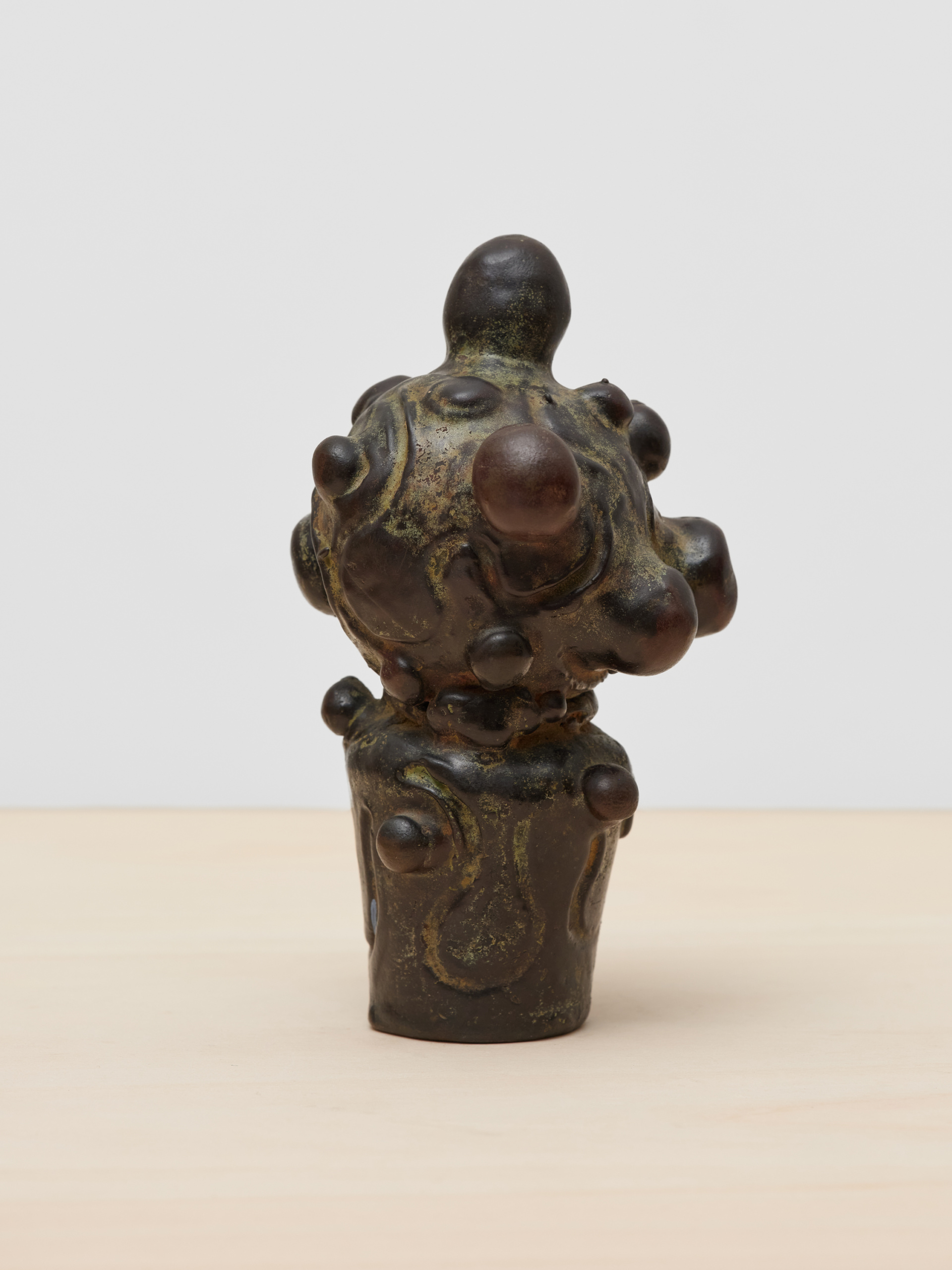
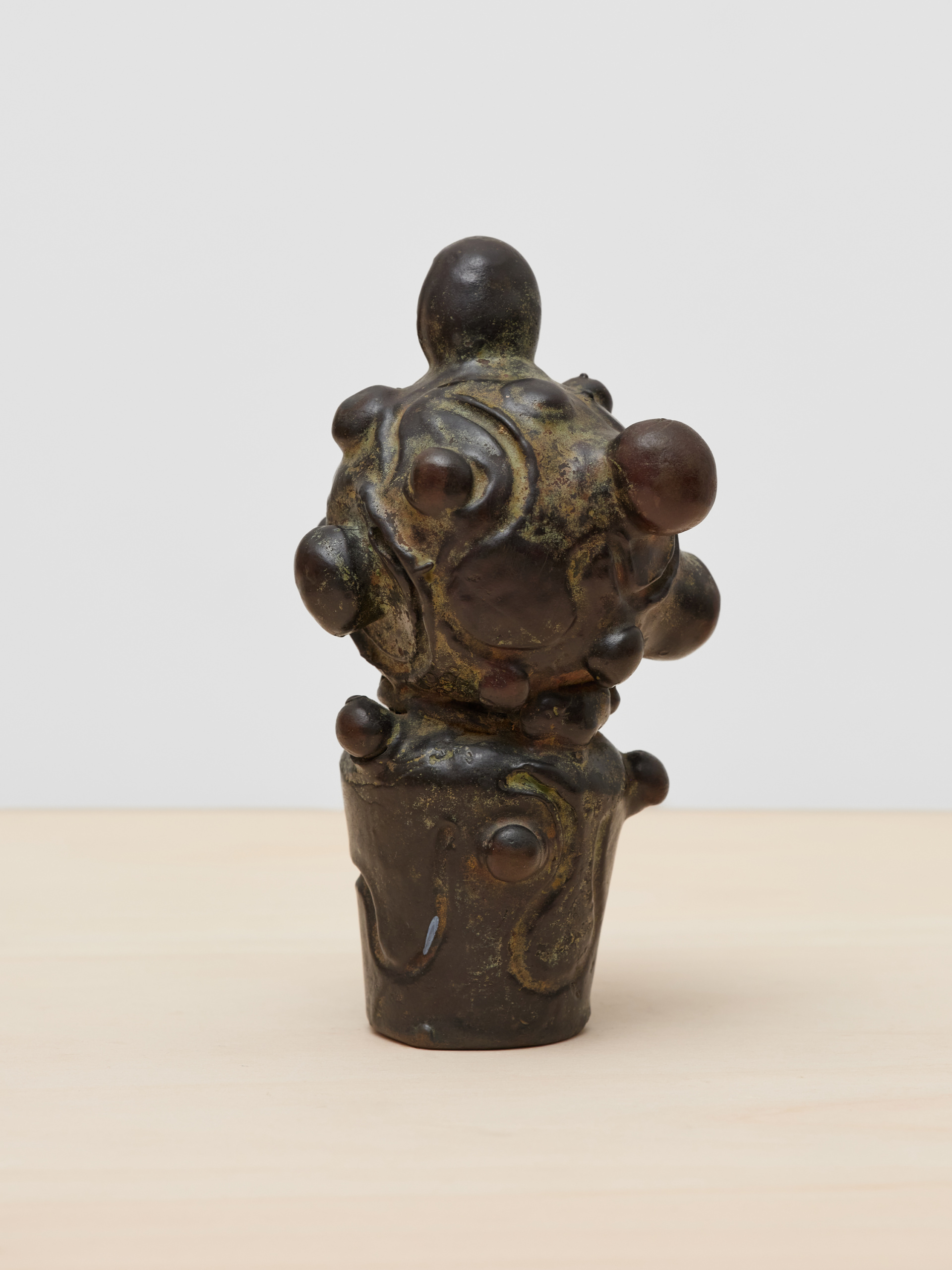
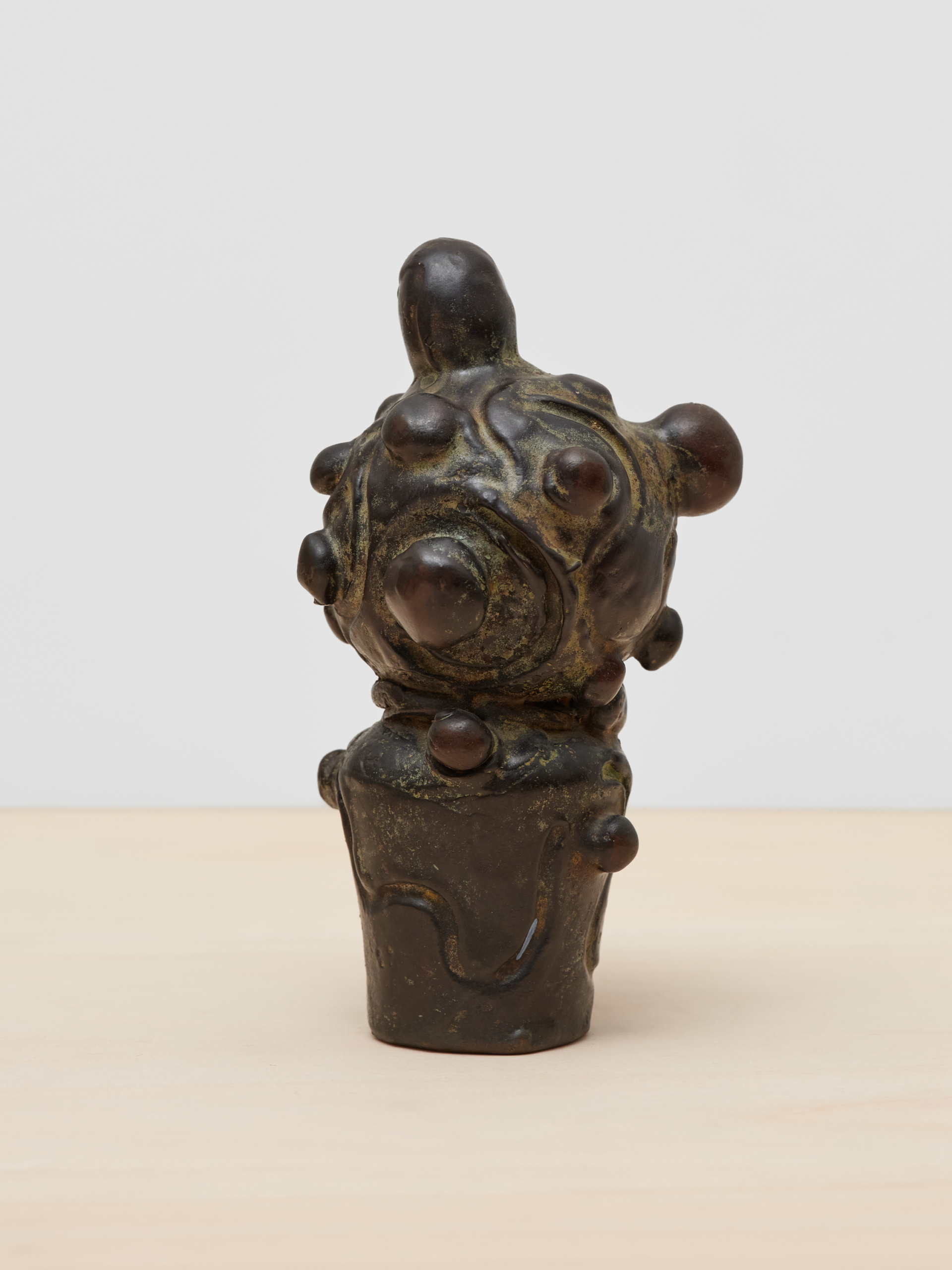
Mitsuko Miwa‘s large diptych Darjeeling, an artist whose work we are also exhibiting at Art Unlimited, commands its space with the particular authority of an artist whose commitment to scale is matched only by her discipline of restraint. Lee Mullican (1919–1998), key figure of the Dynaton movement, is represented by canvases and works on paper from the 1960s and 70s alongside unique bronze casts from the 1980s. Disruptive in their position within the whole, these works radiate an energy that quietly electrifies everything around them.
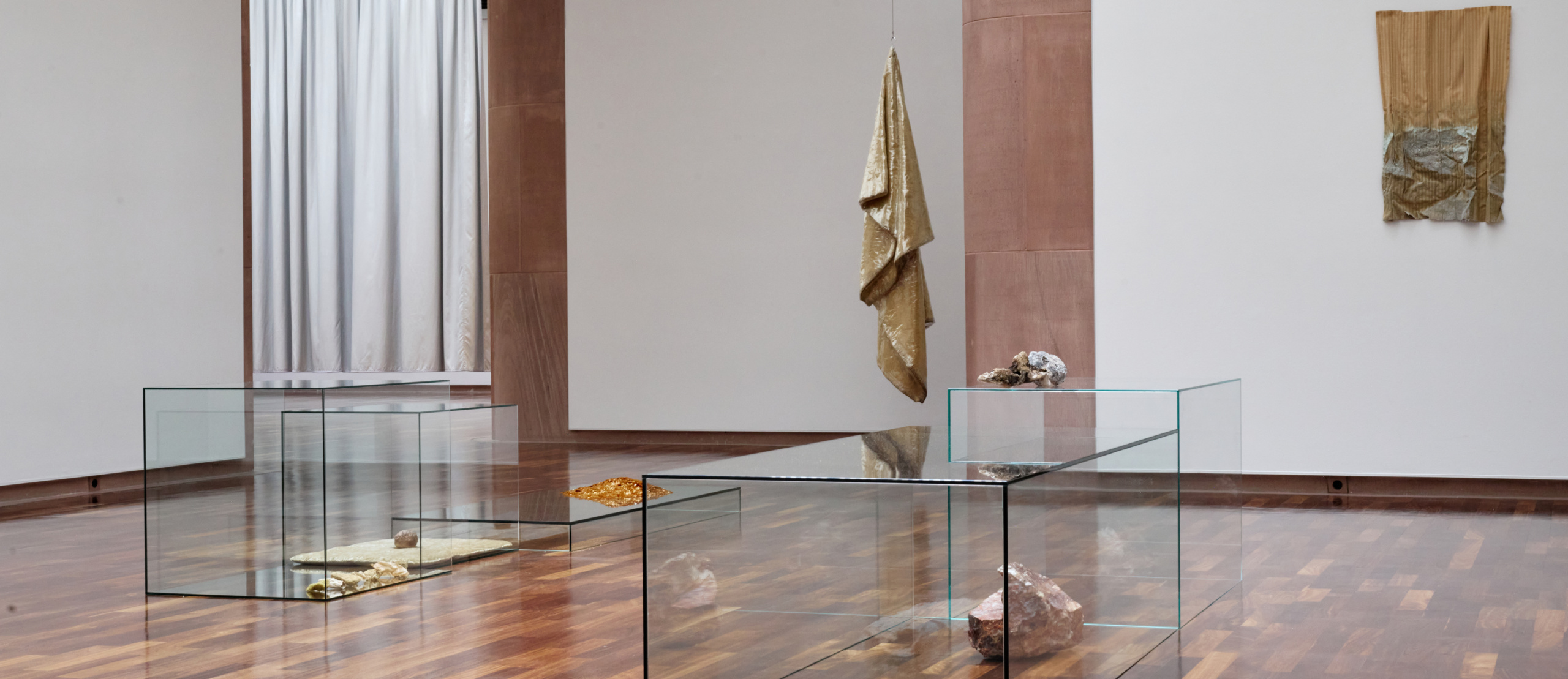
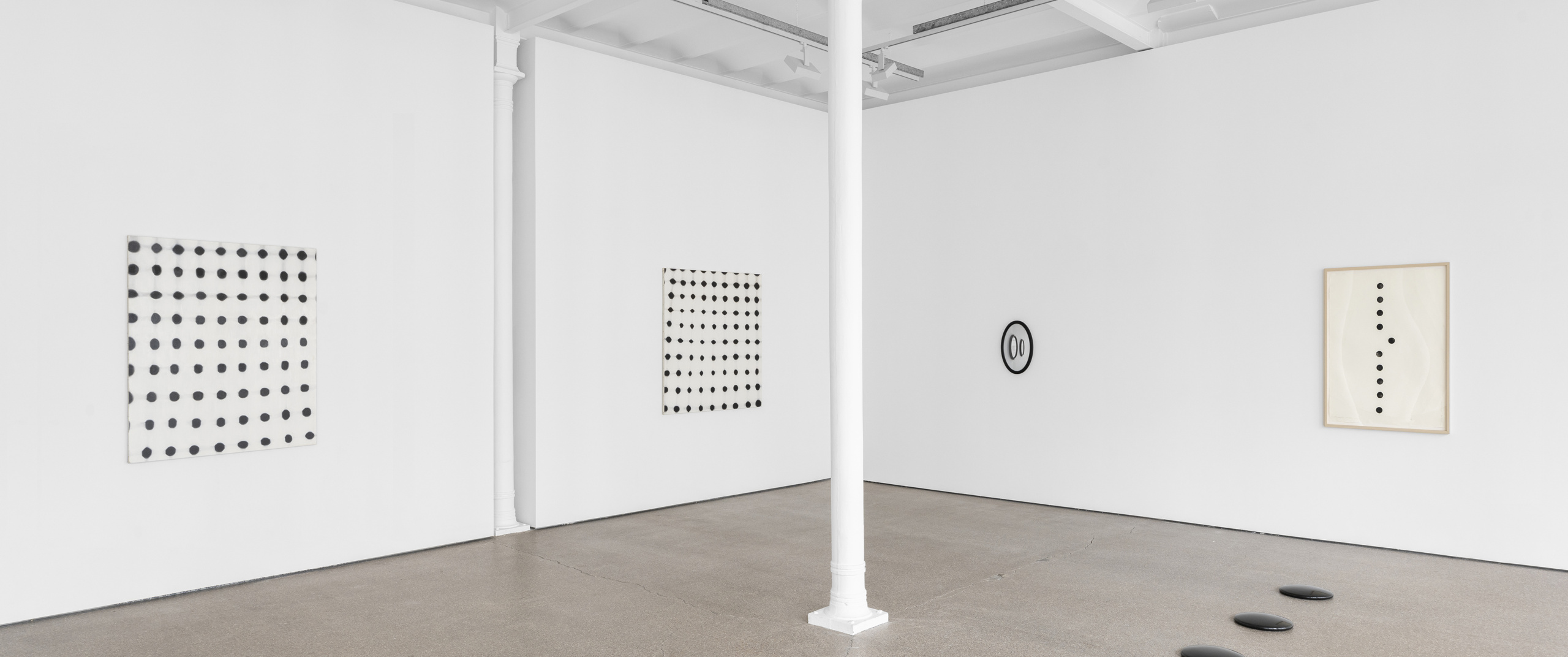
Installation view: Edith Dekyndt, Tell Us Something That Nobody Knows, Kunsthalle Bielefeld, 2025.
Edith Dekyndt, who joins Mitsuko Miwa as our second Art Unlimited project this year, brings her characteristic modesty, which is never quietism. Her work remains porous to what surrounds it, establishing affinities across the entire presentation while losing nothing of its own identity. Liam Everett‘s canvas, with its visible record of physical process and performative mark-making, holds chaos and harmony in the same gesture and asks the viewer to do the same. And finally, Erica Mahinay, in works drawn from her first solo exhibition with us, layers paint until depth becomes almost archaeological — a quality she carries, in different form, into her ceramics, where the physical and the ancient converge in something entirely of this moment.
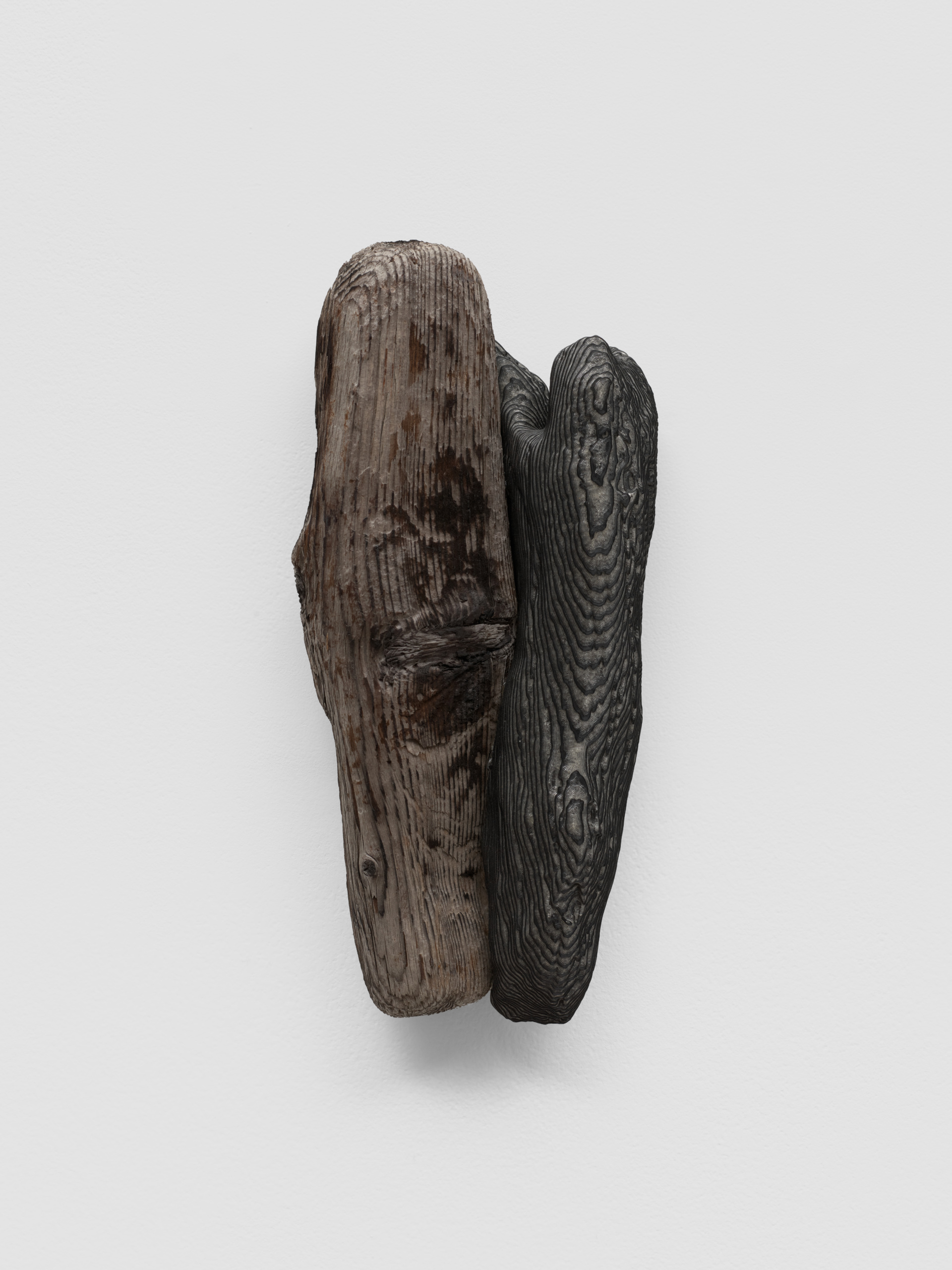
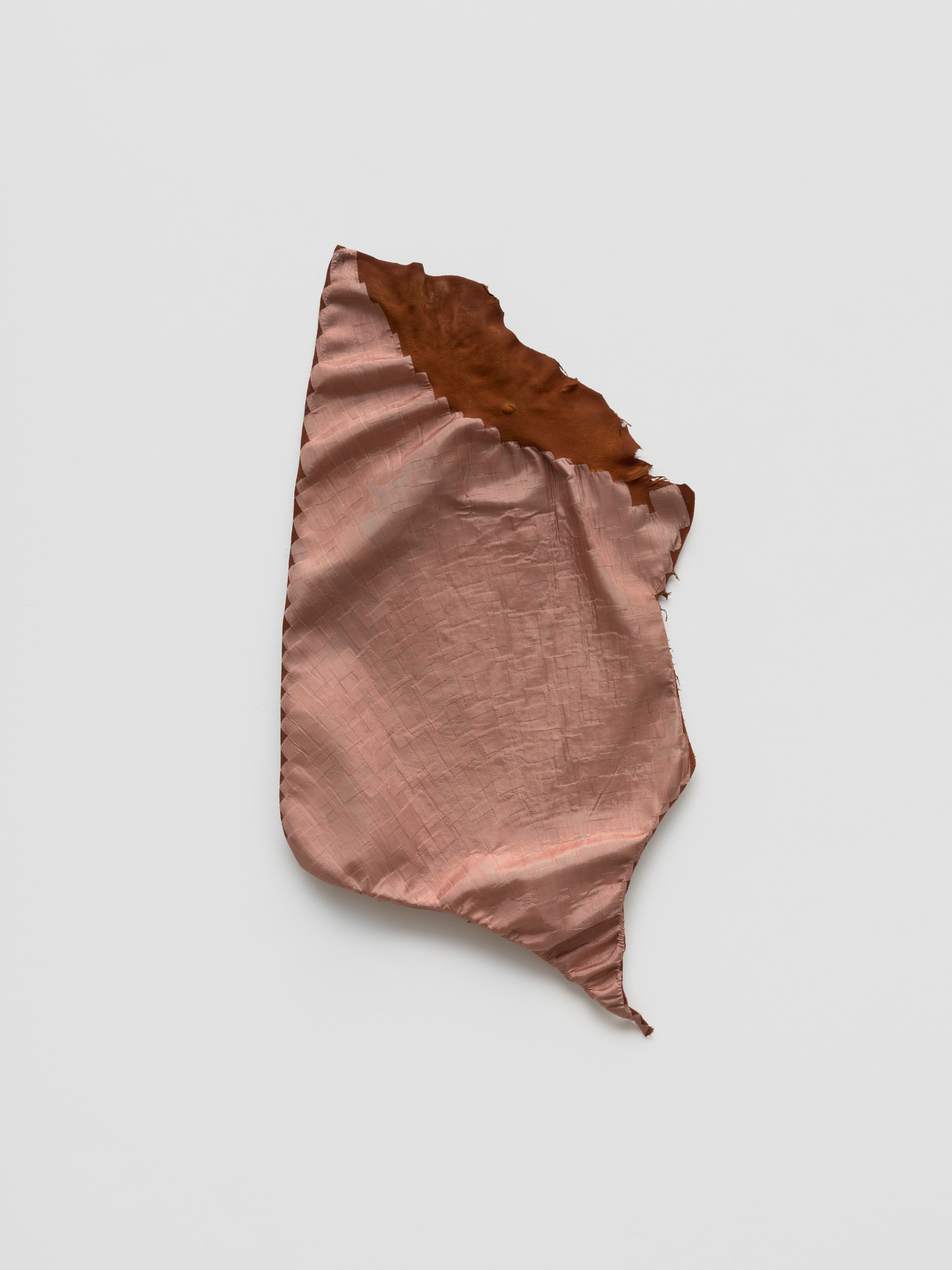
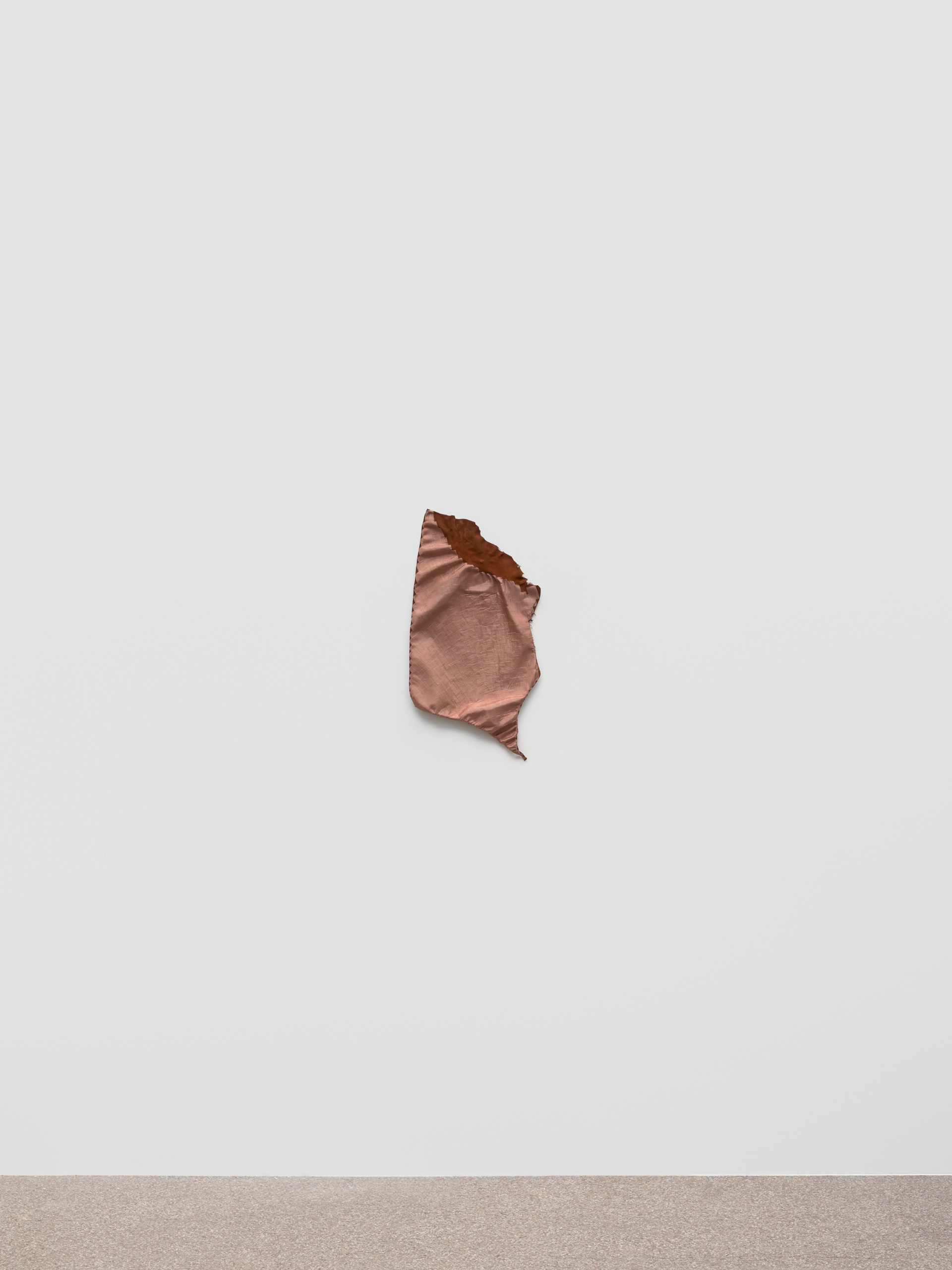
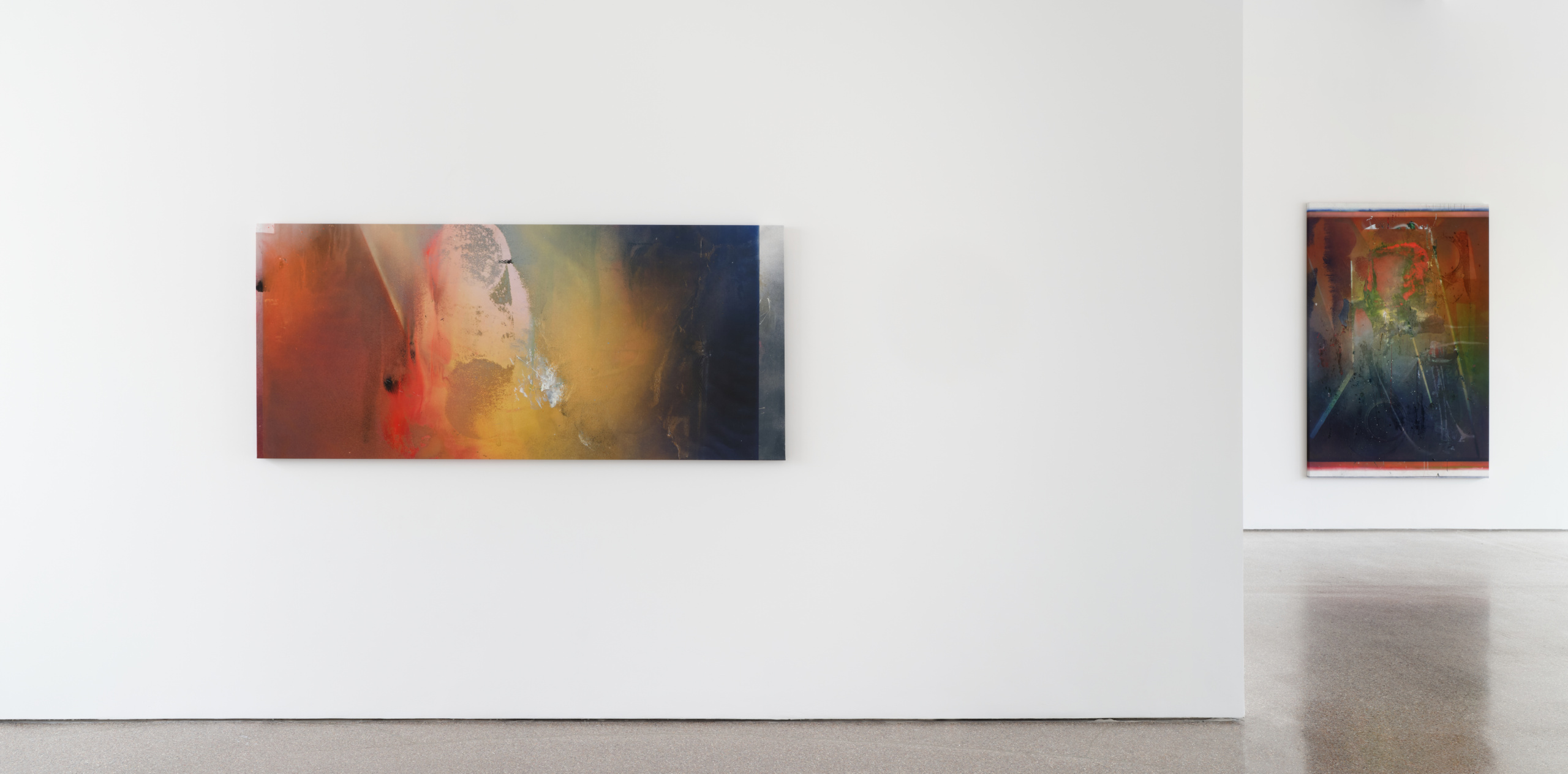
Installation view: Liam Everett, He Loved Him Madly, Galerie Greta Meert, 2025
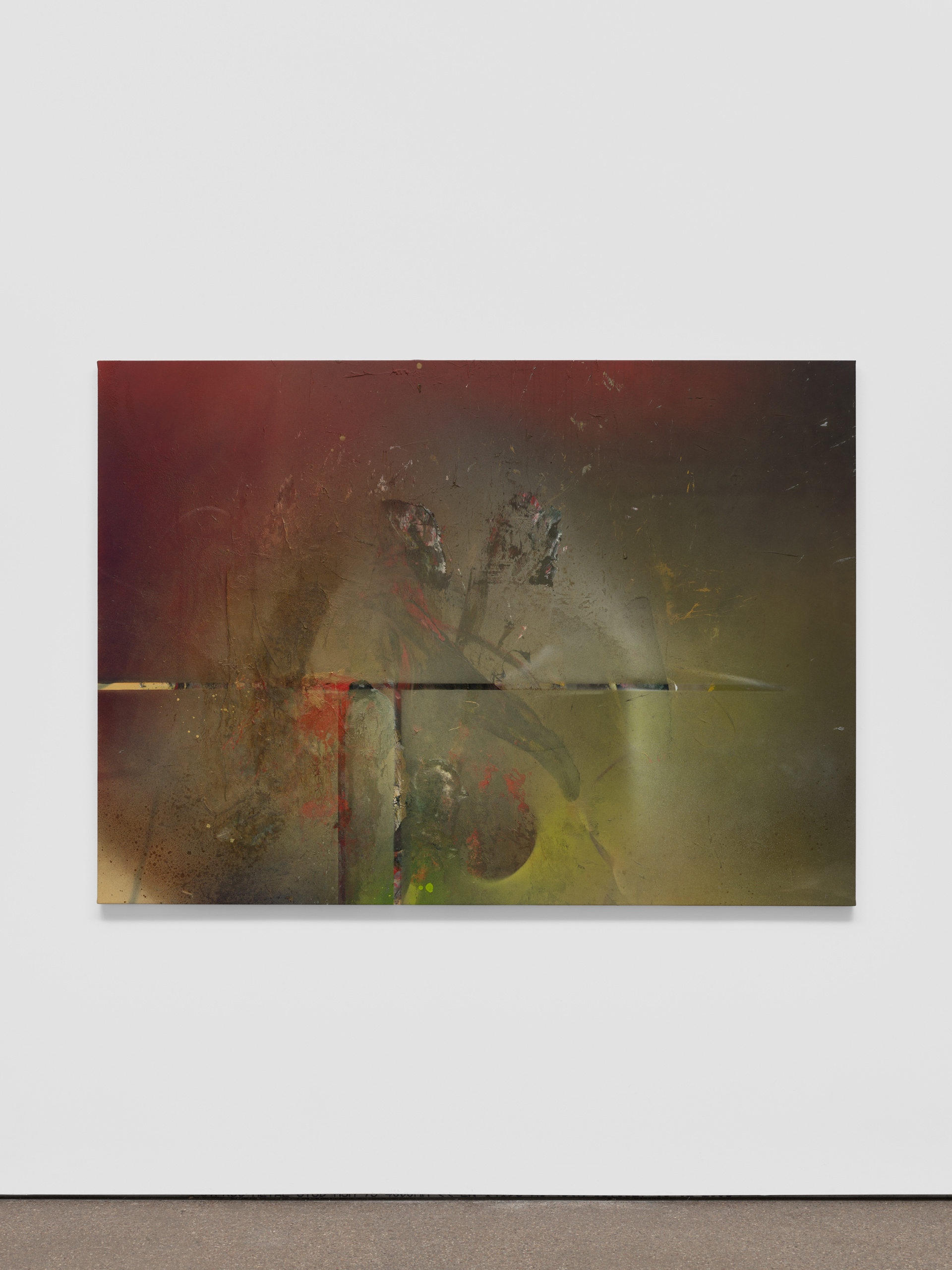
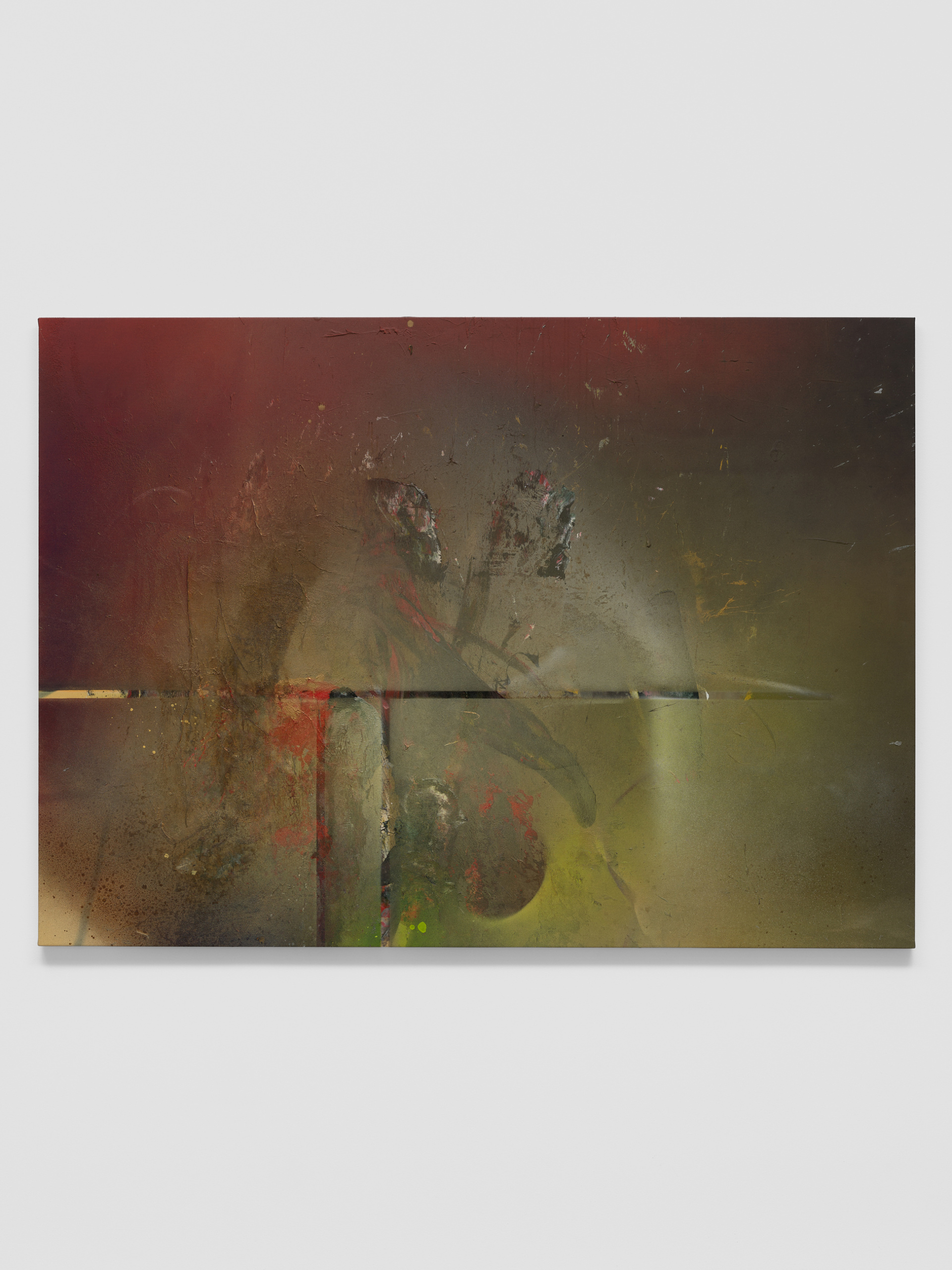
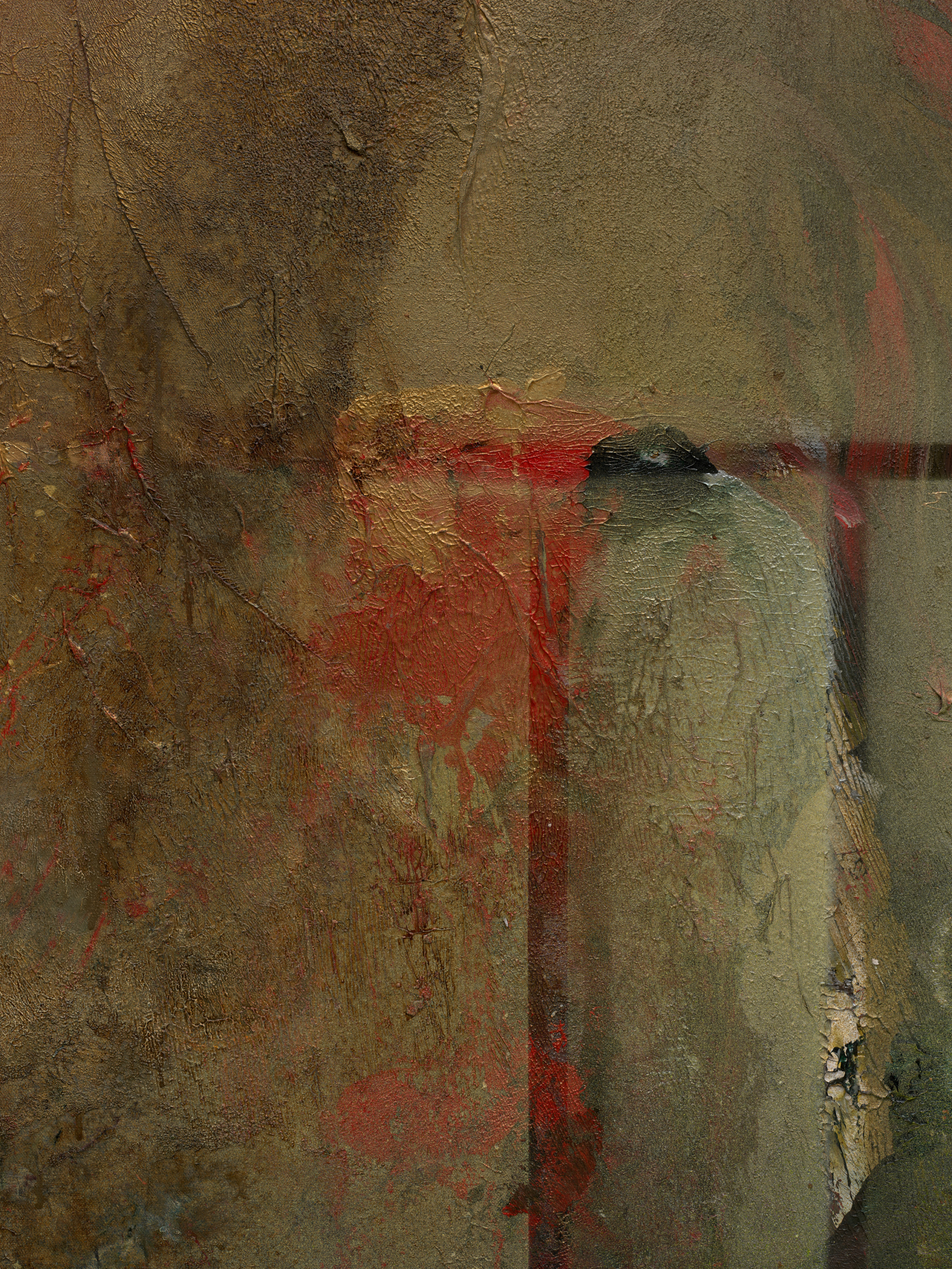
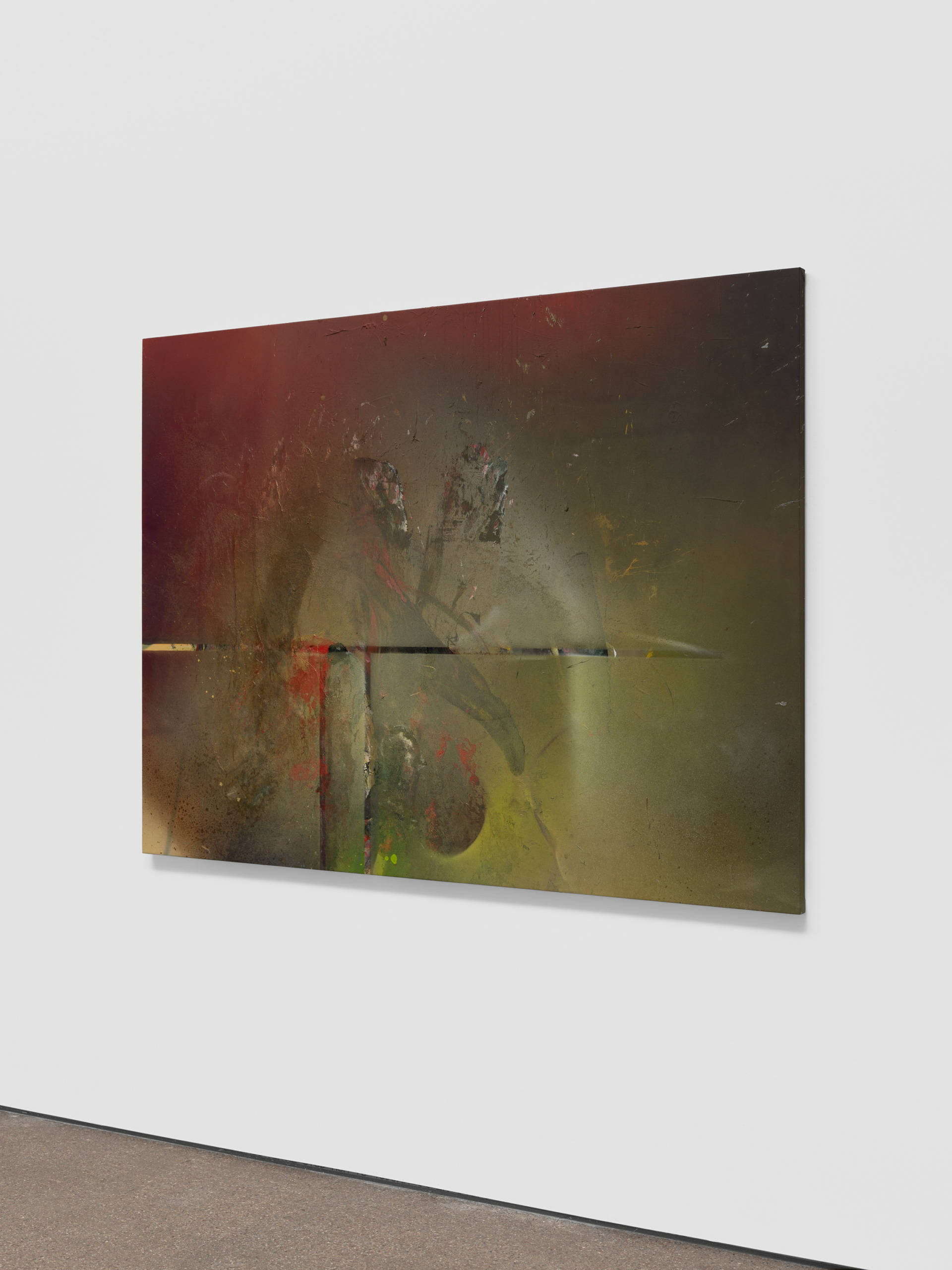
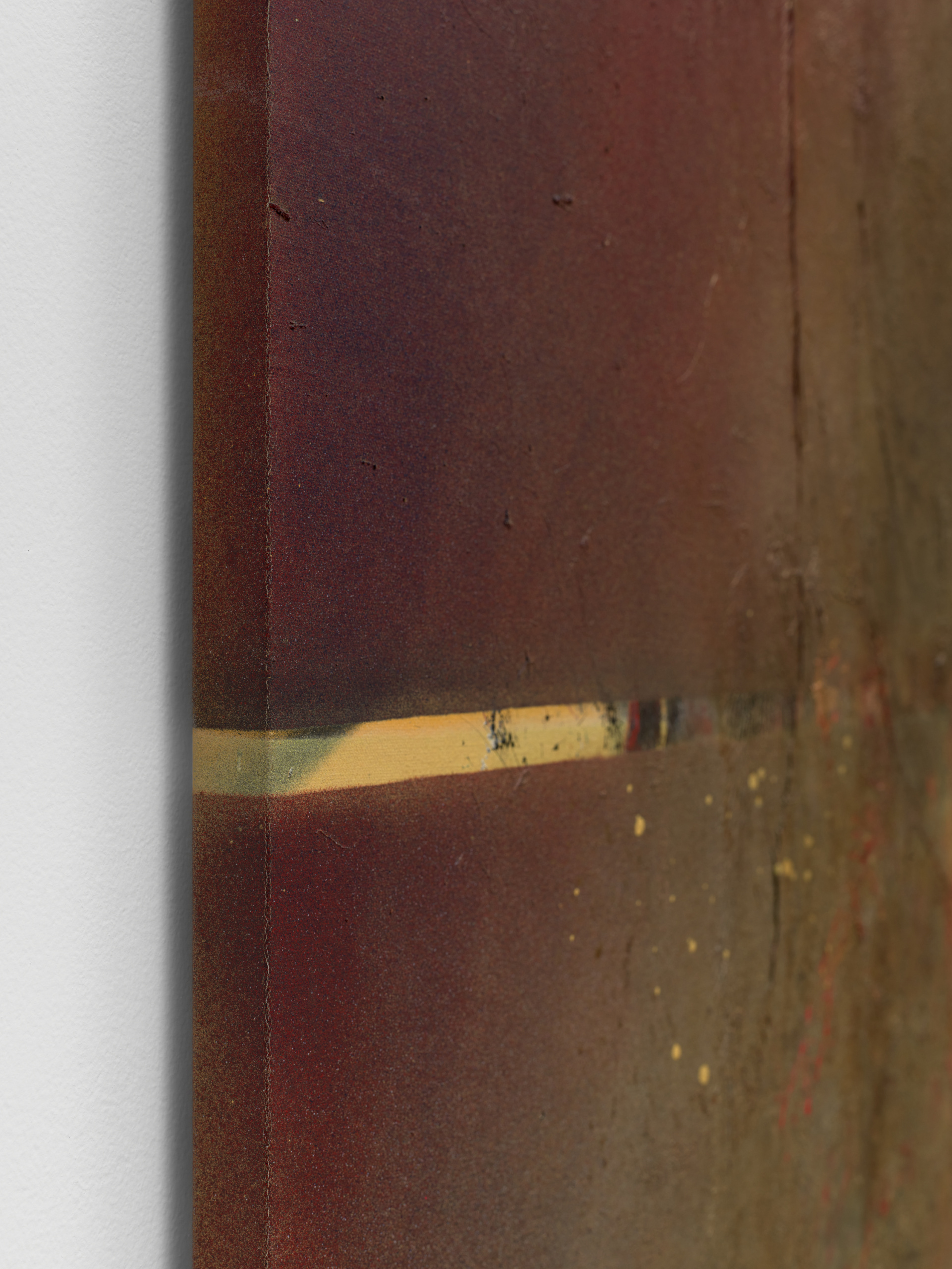
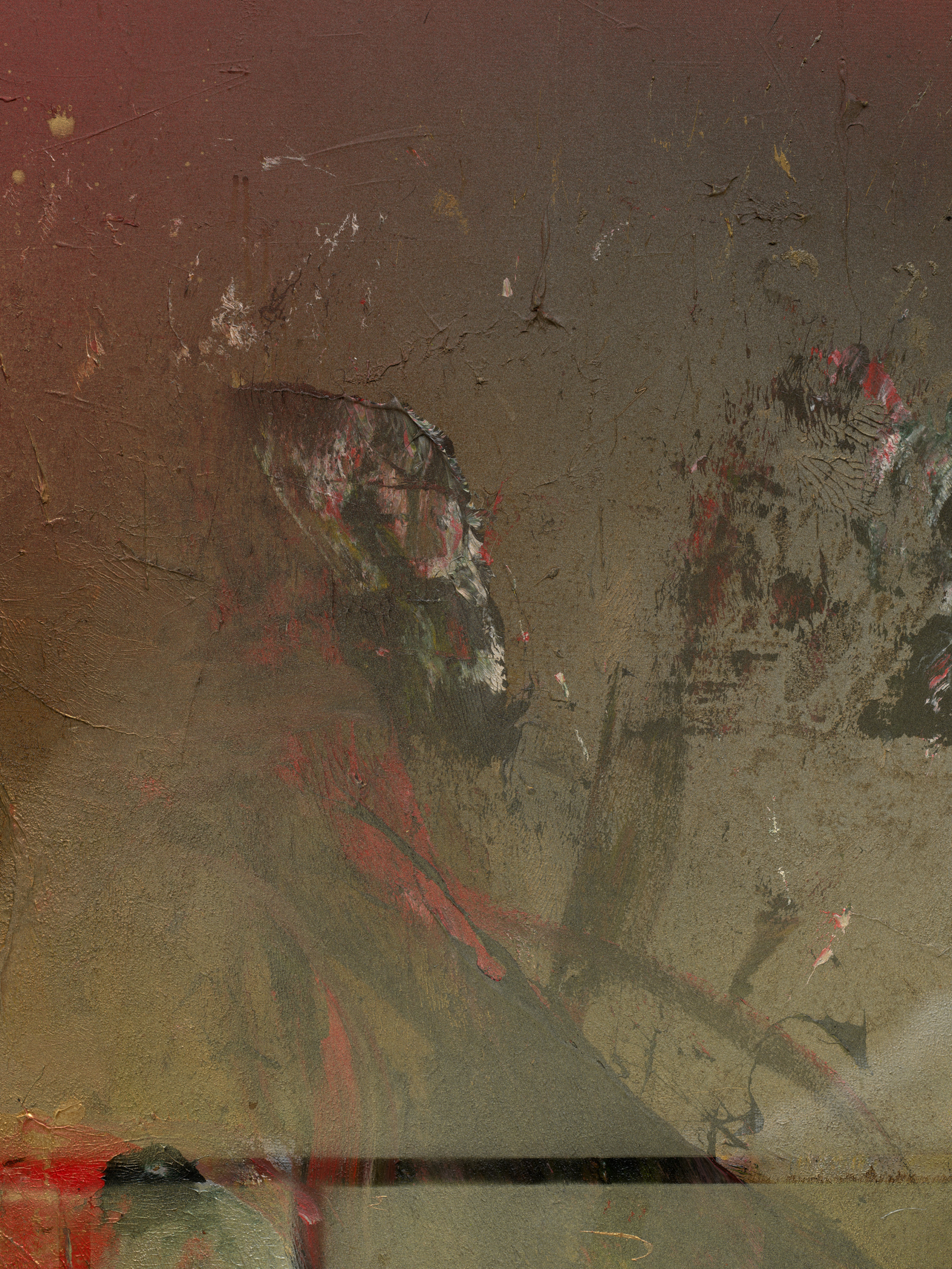
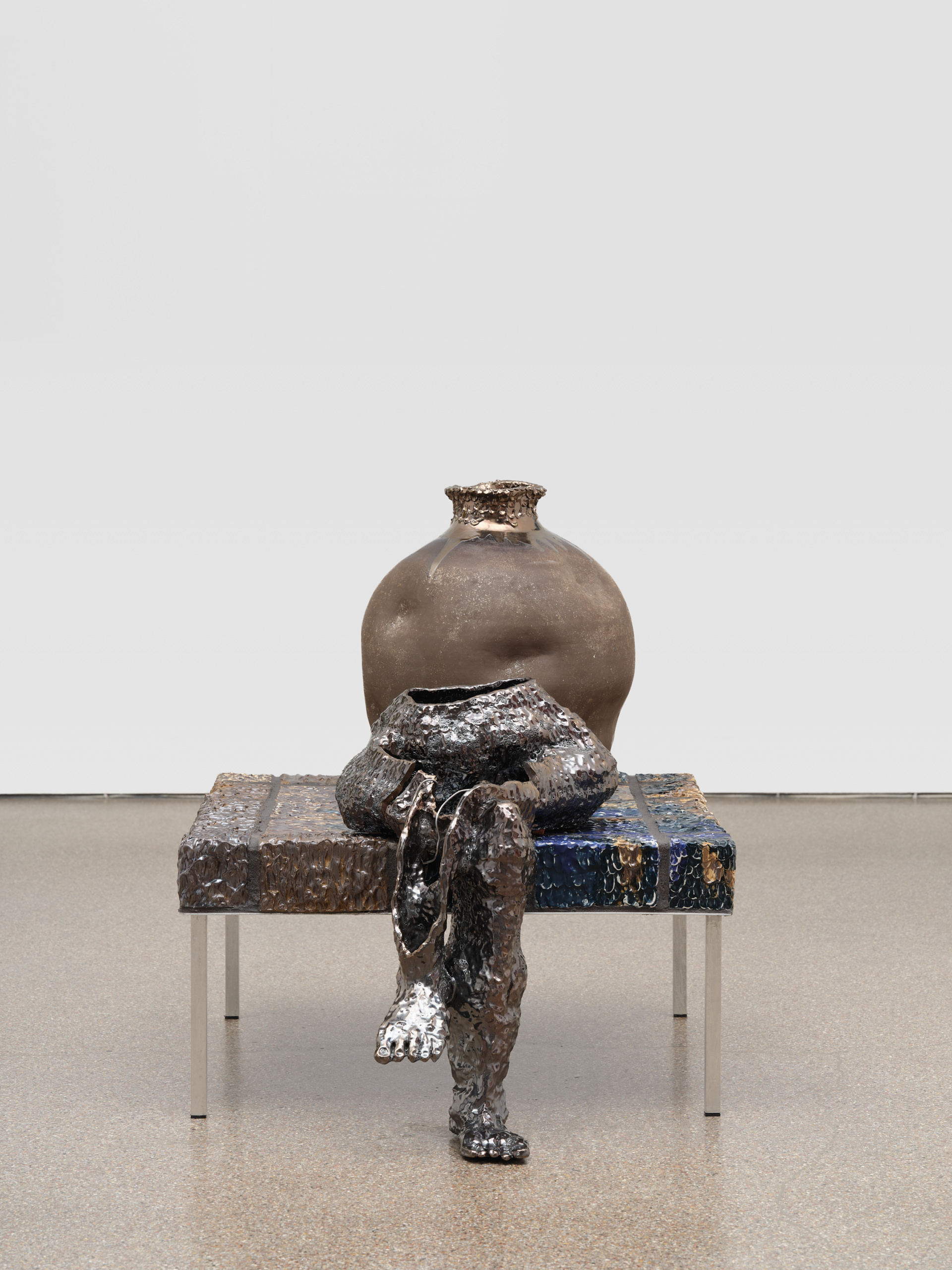
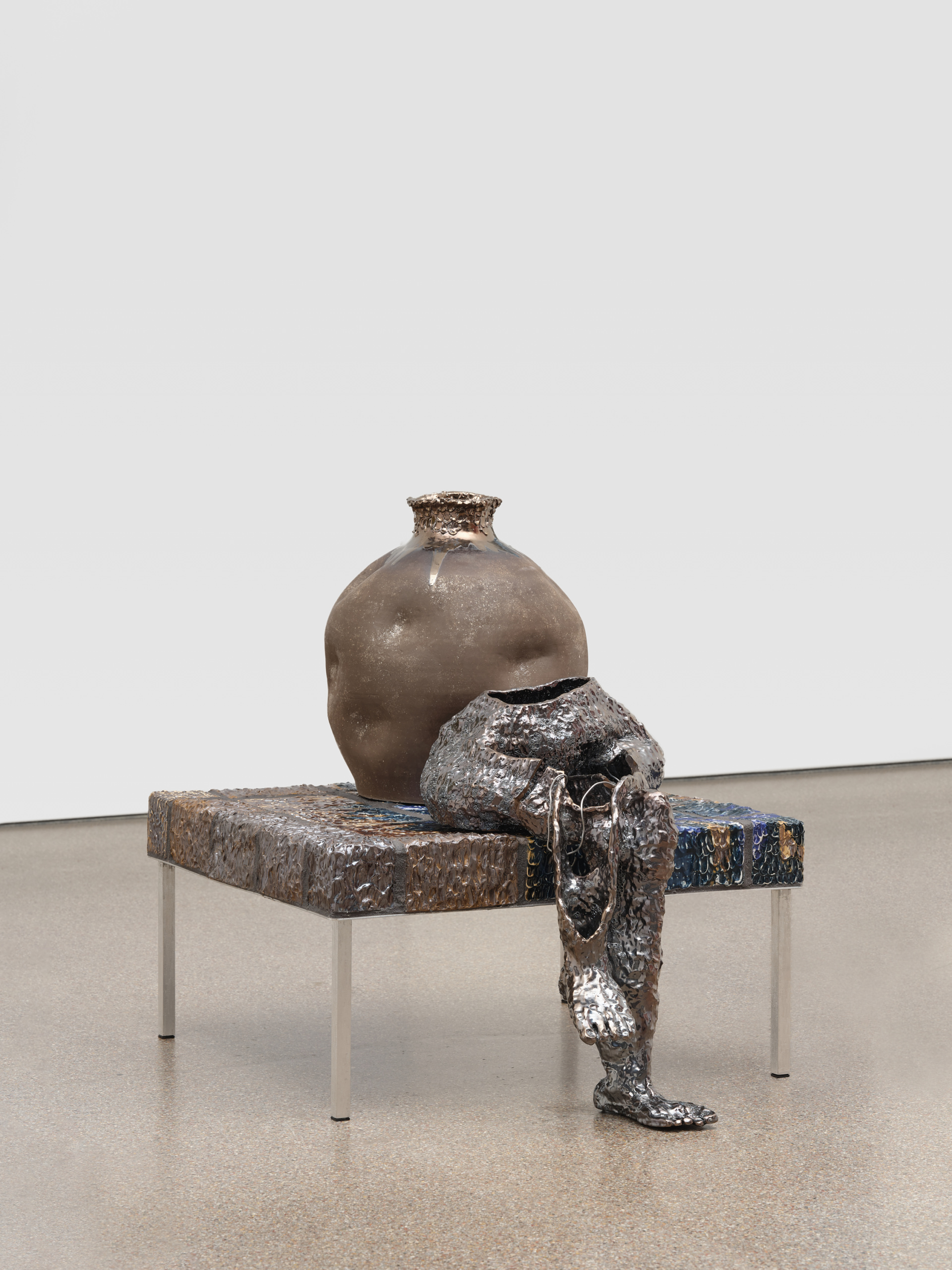
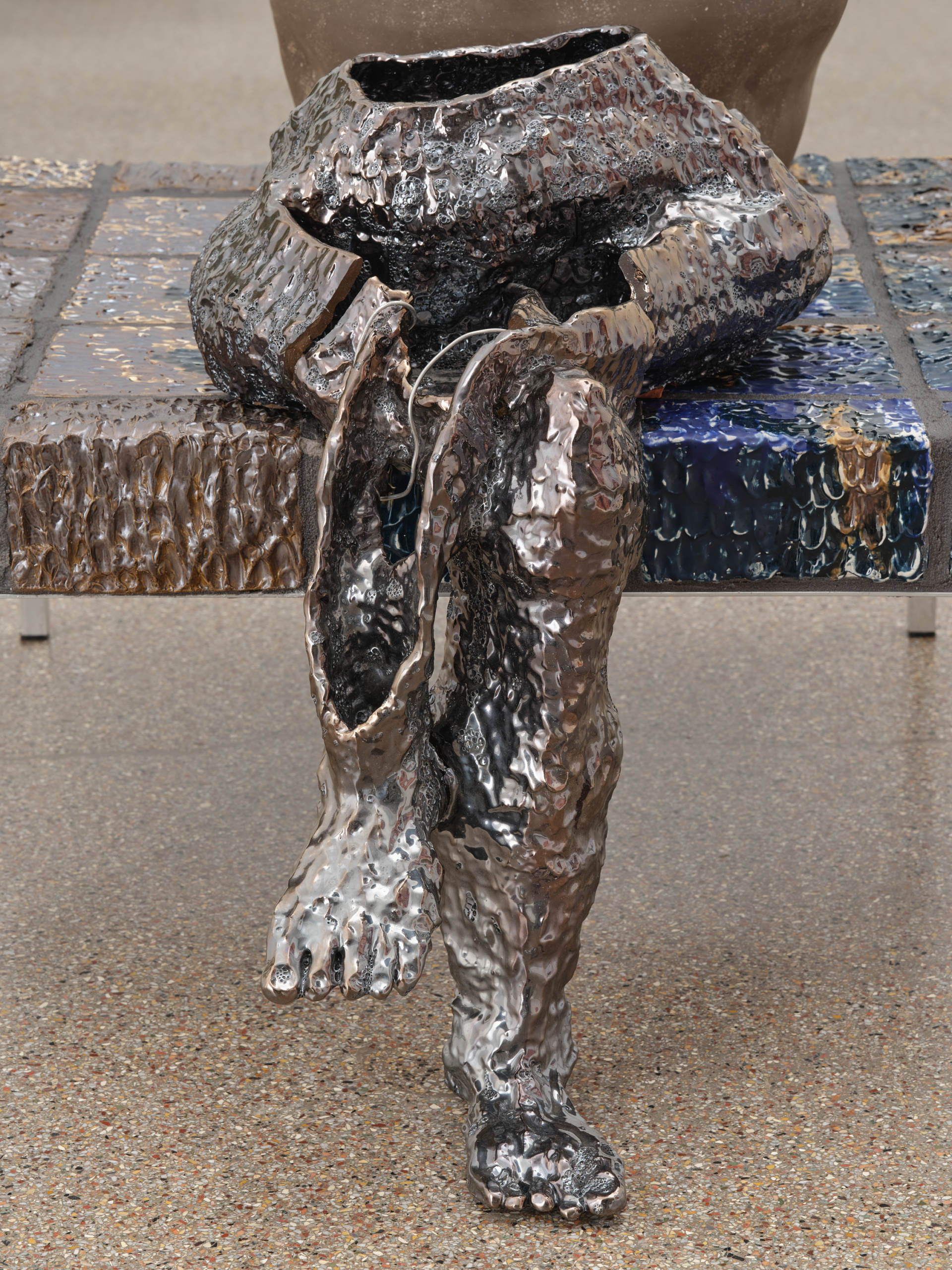
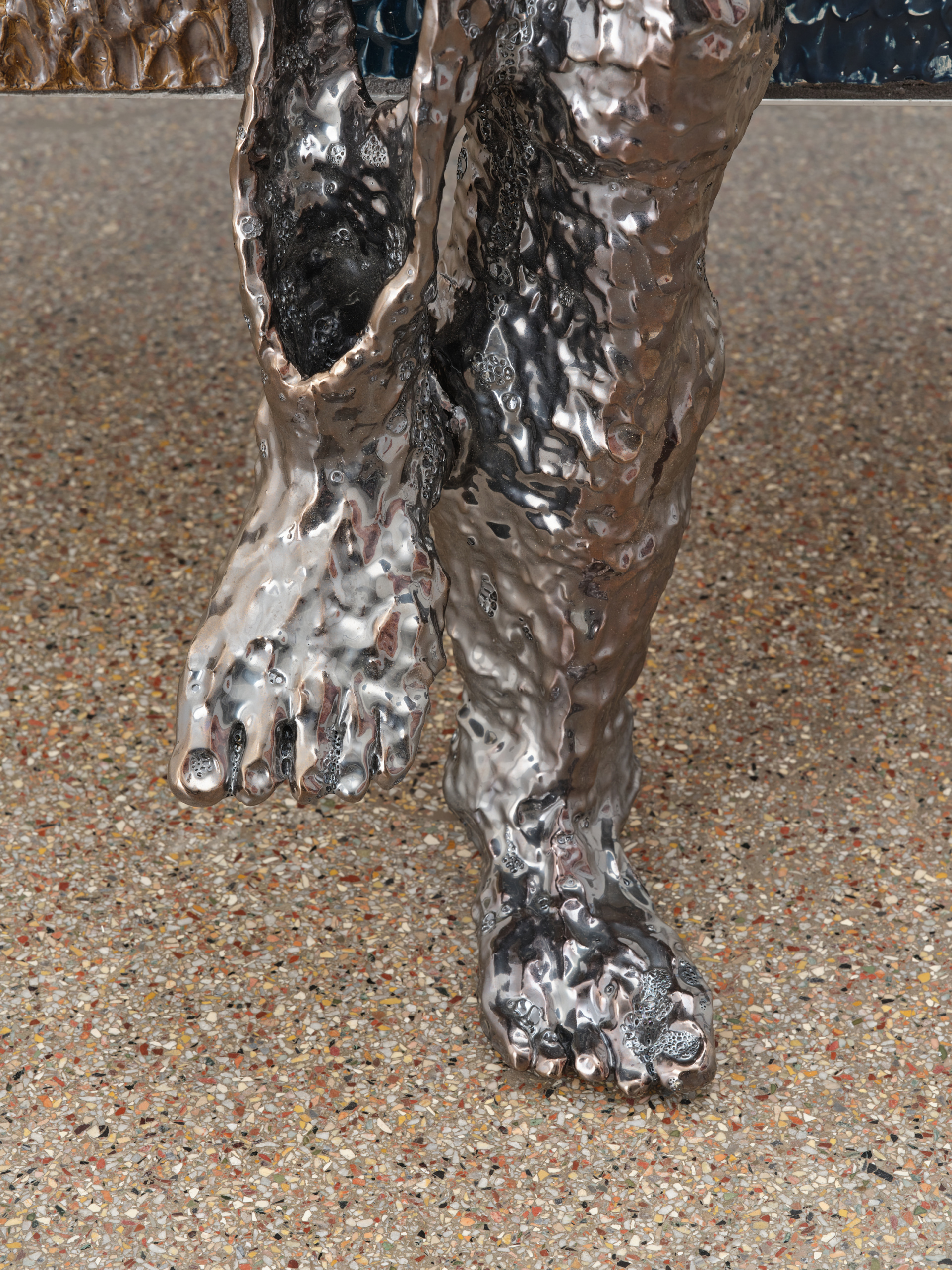
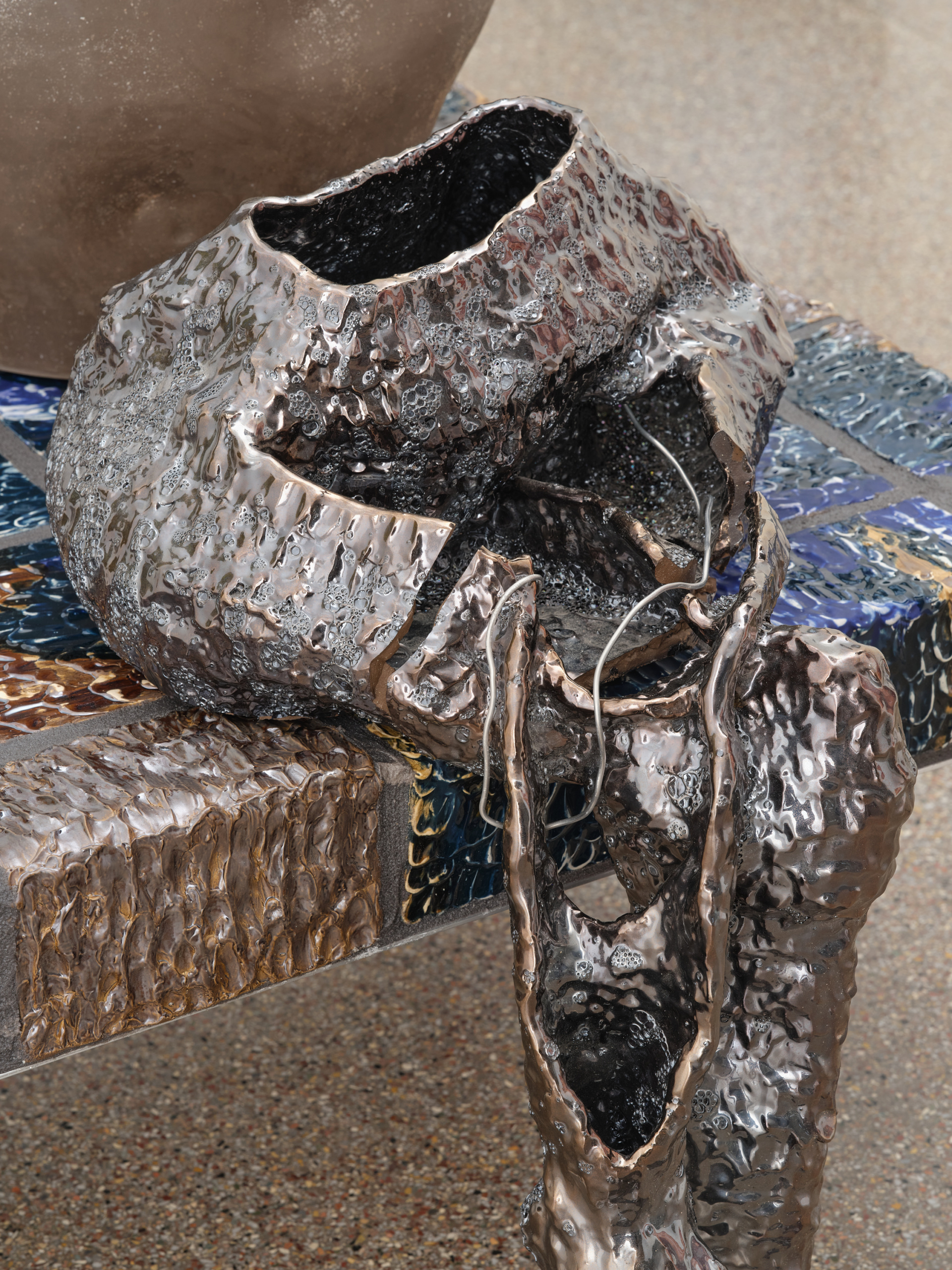
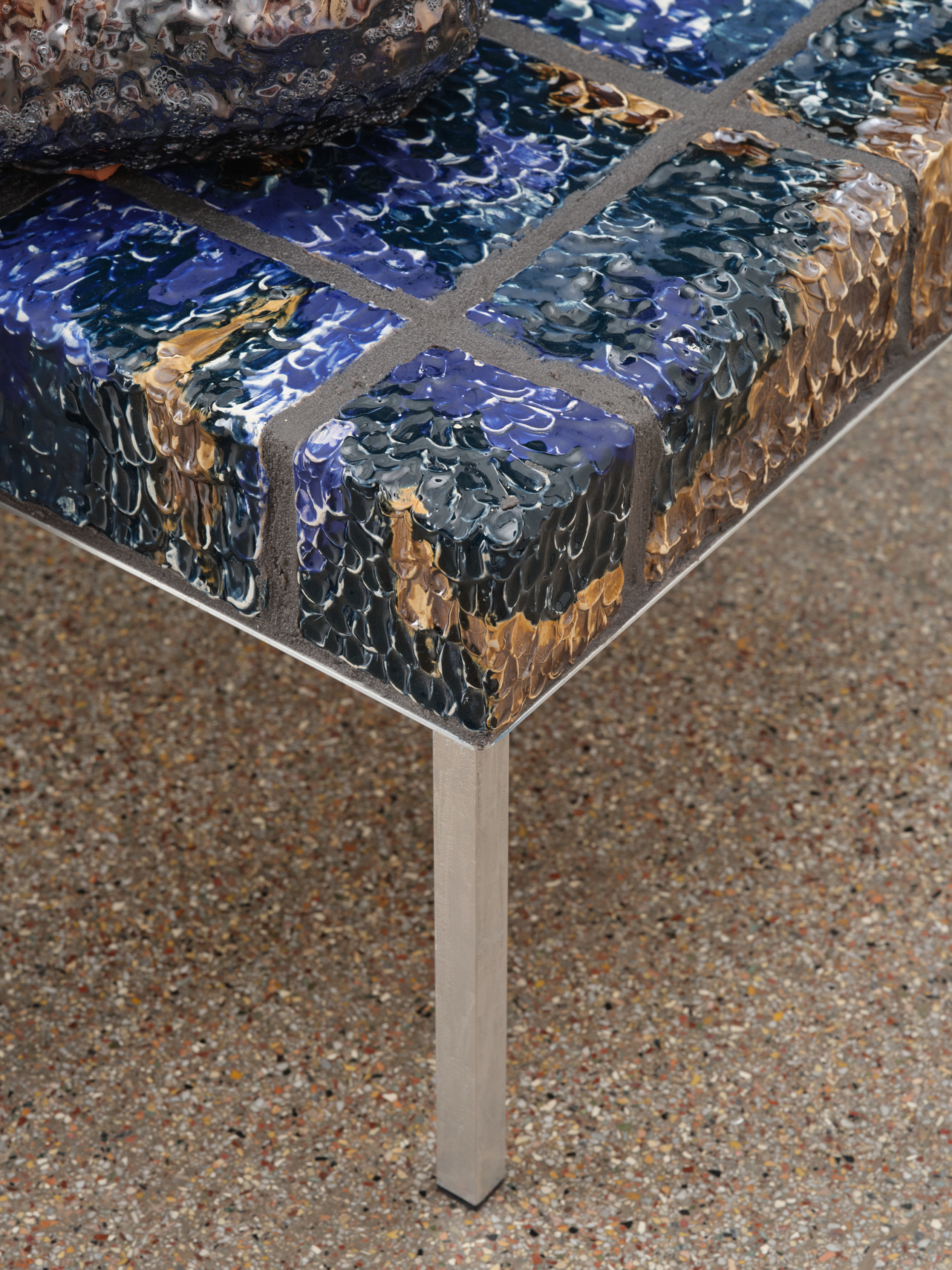
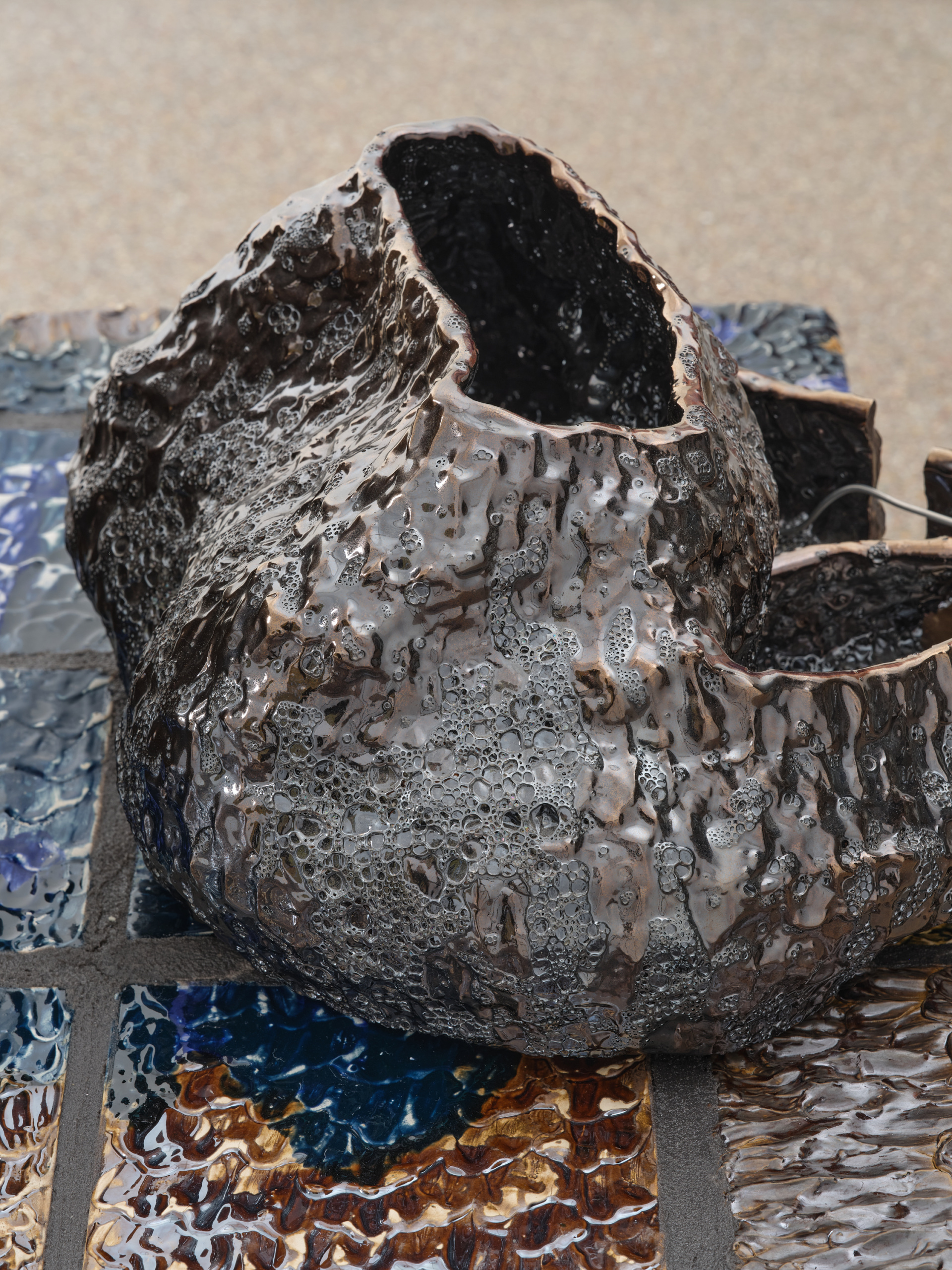
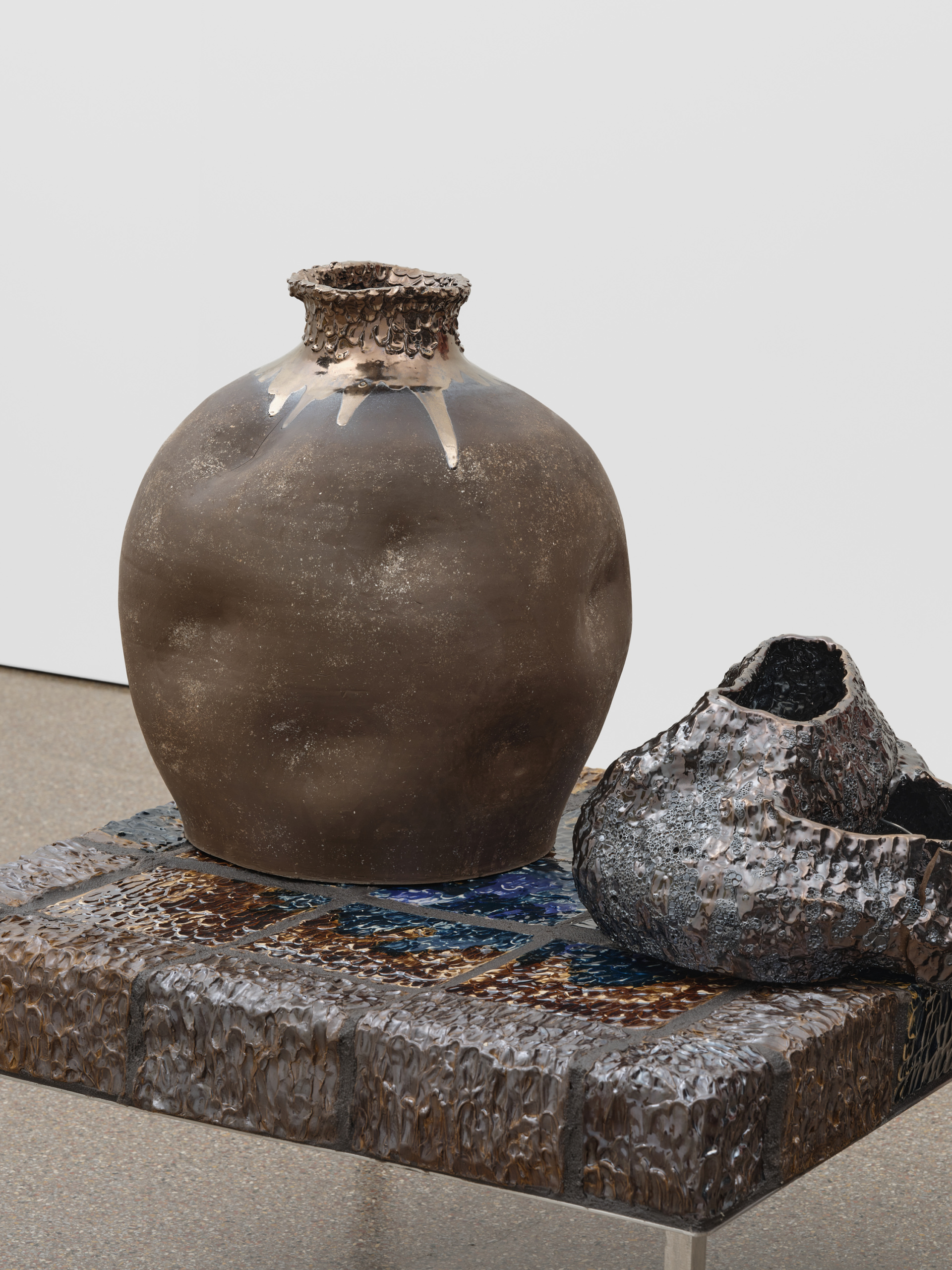
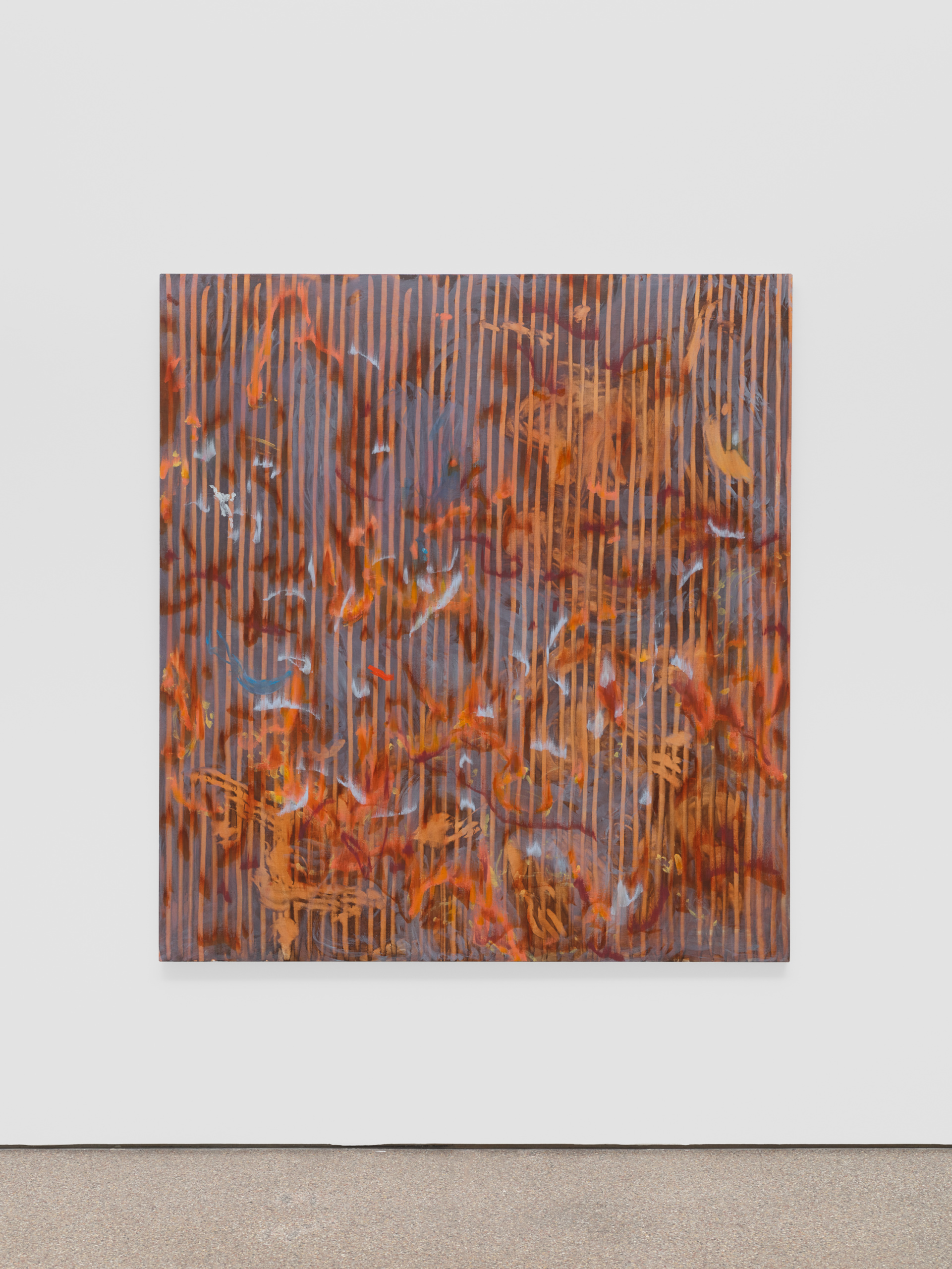
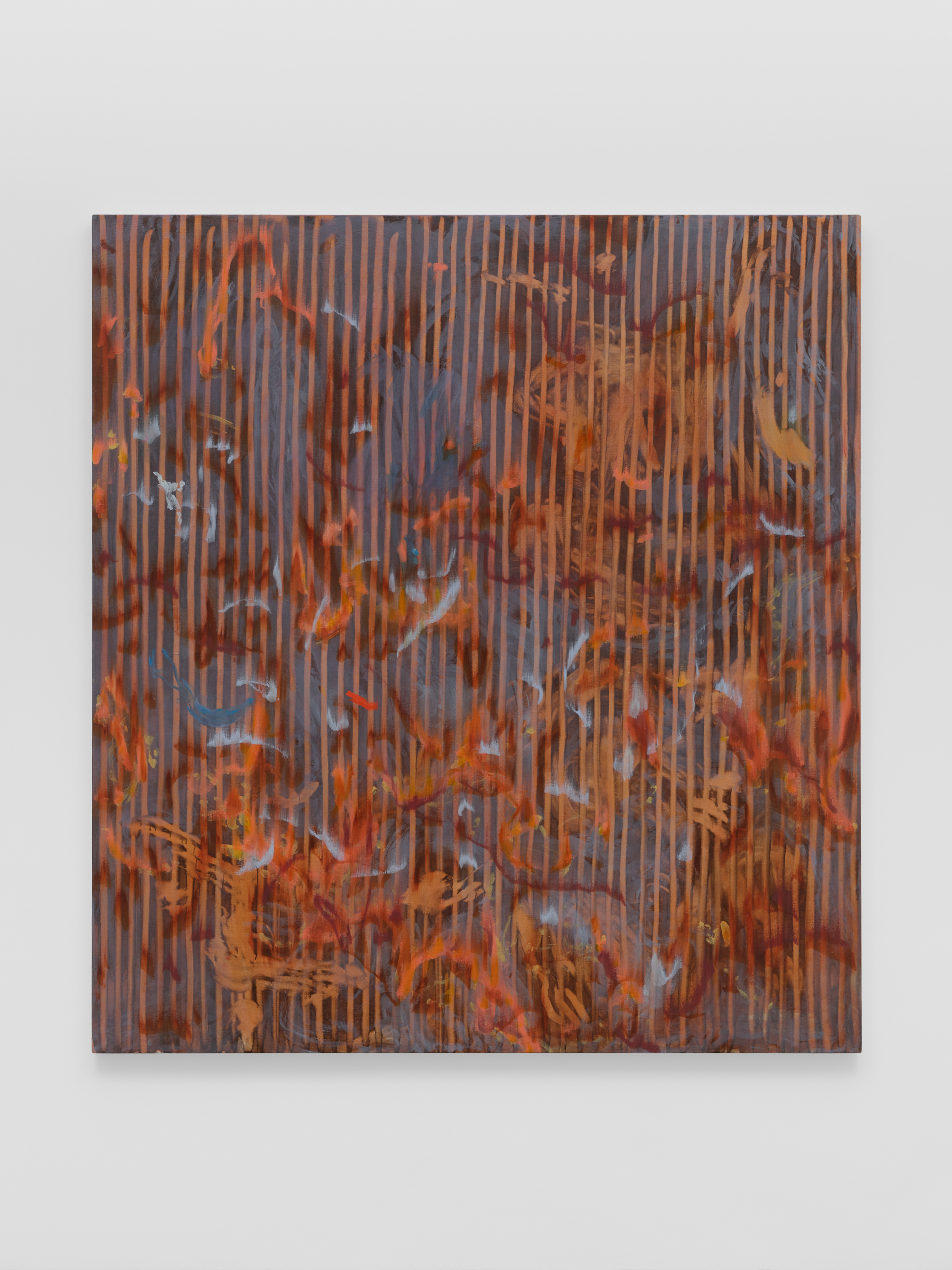
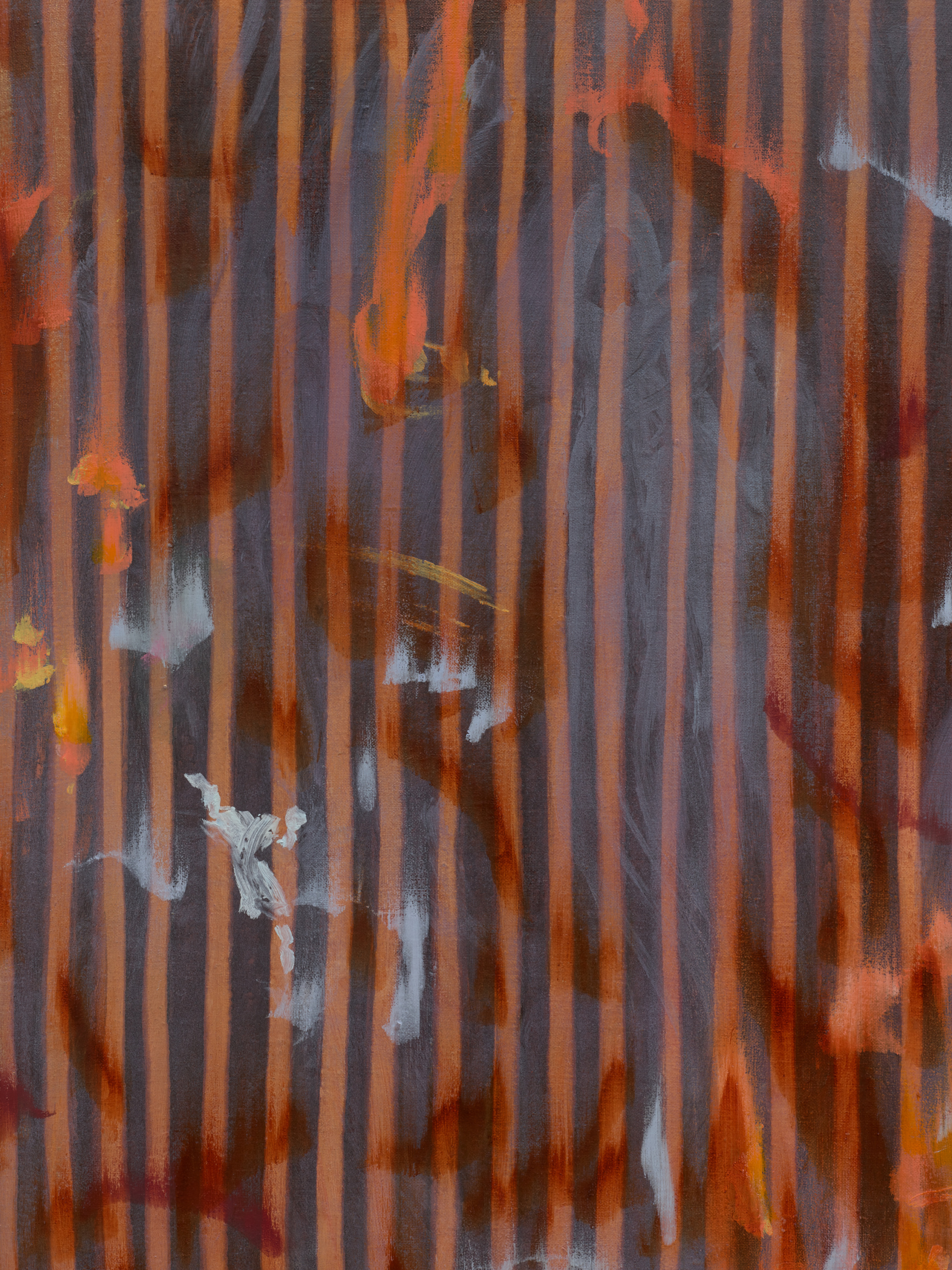
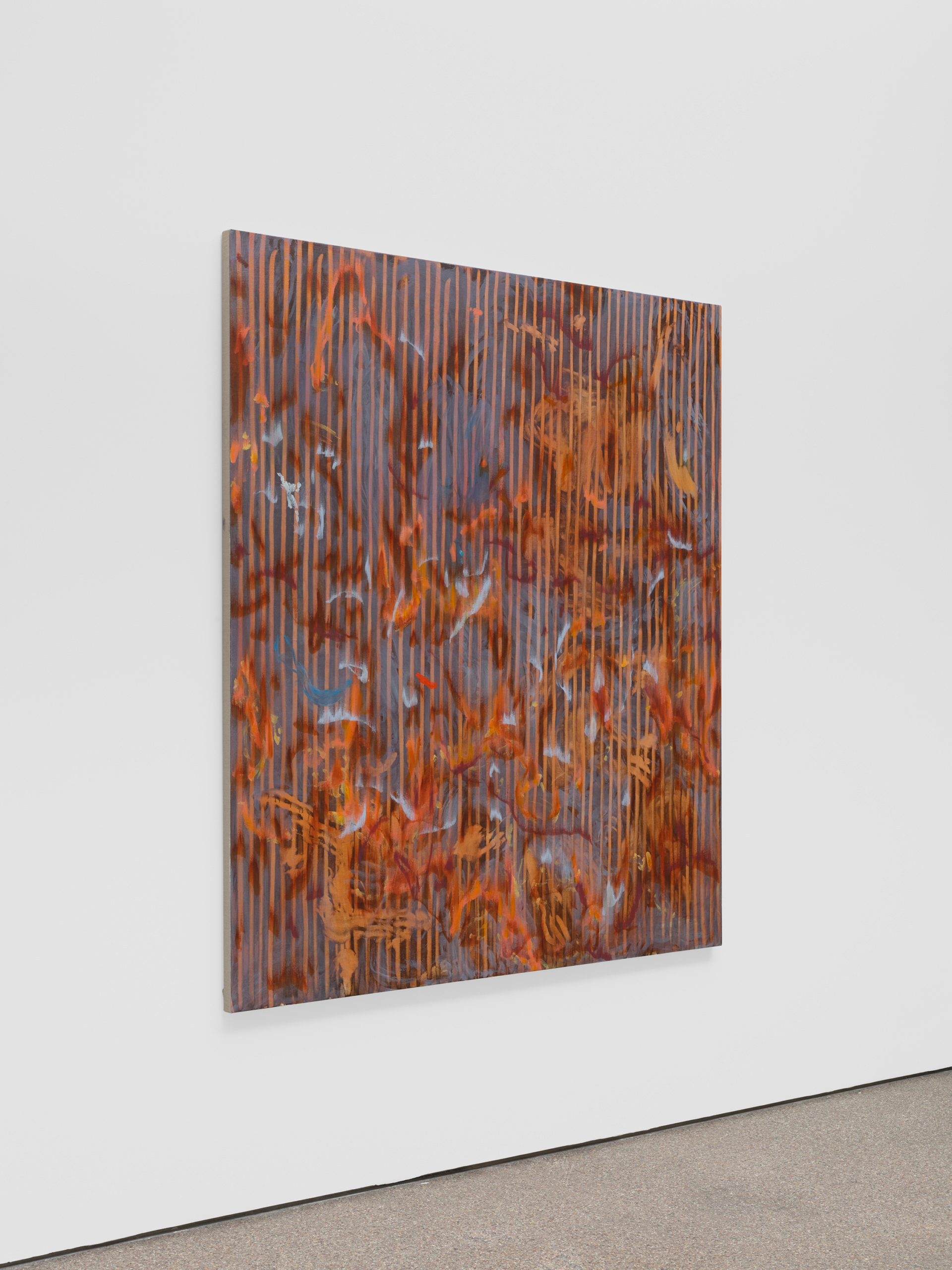
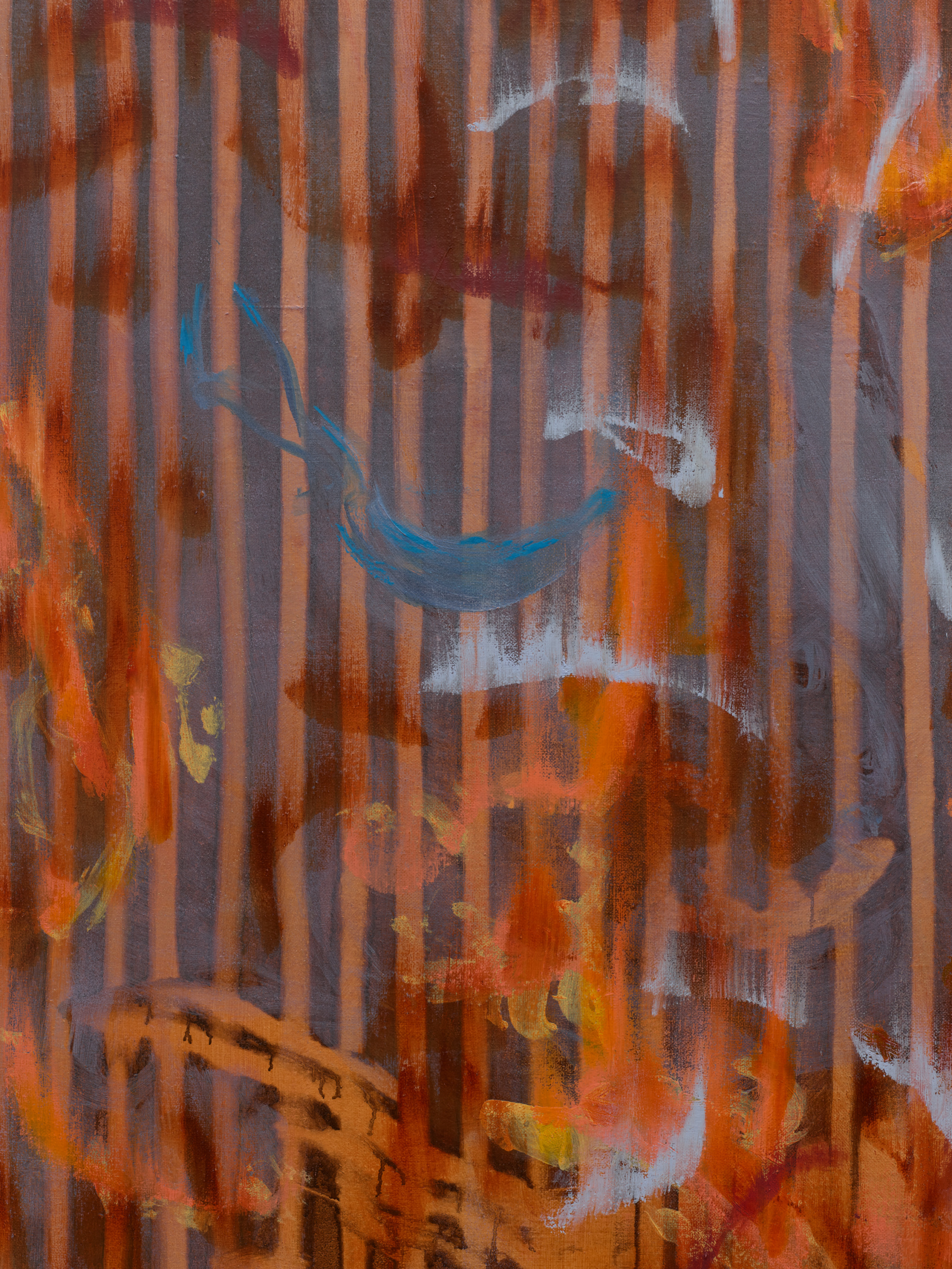
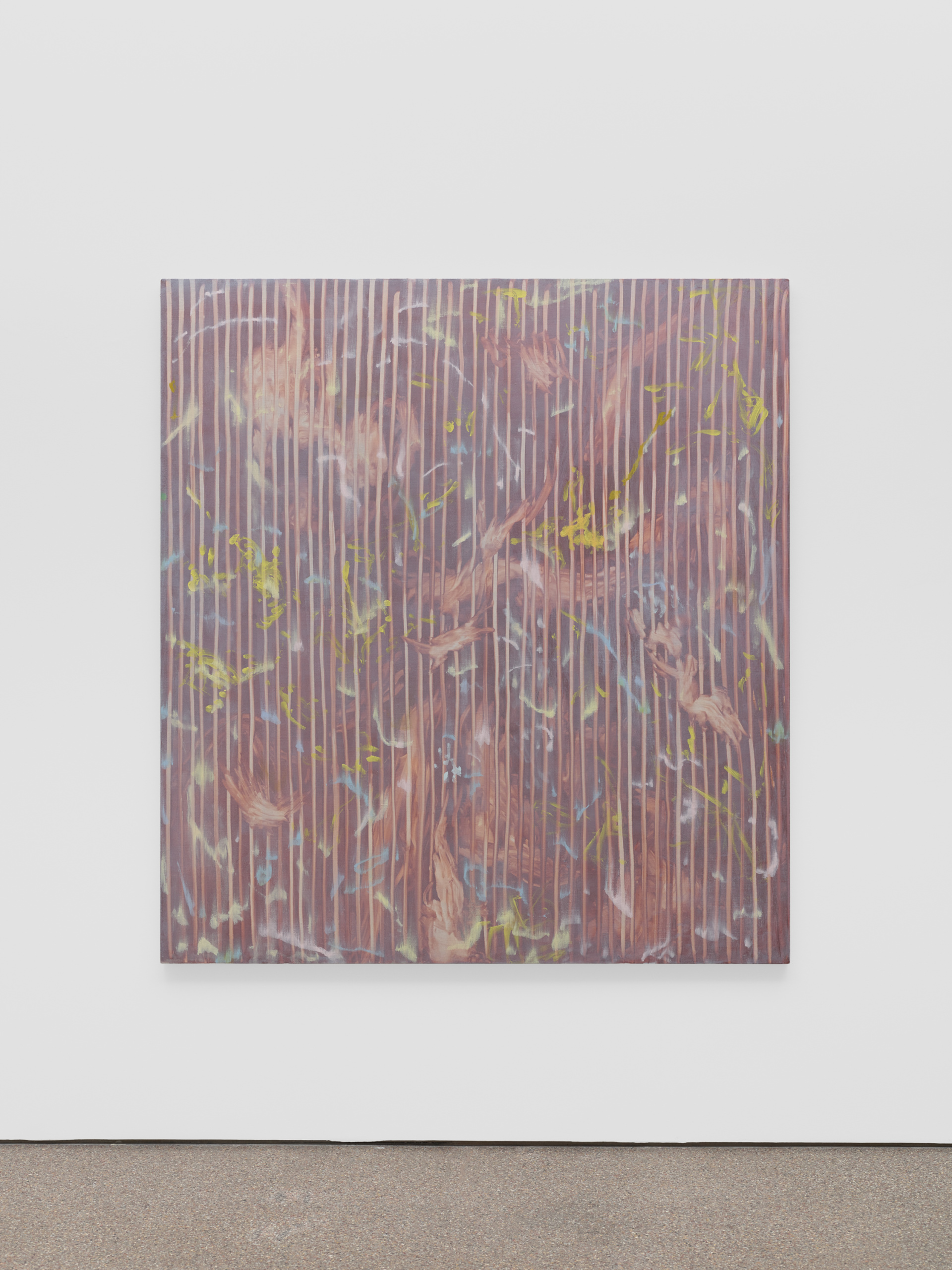
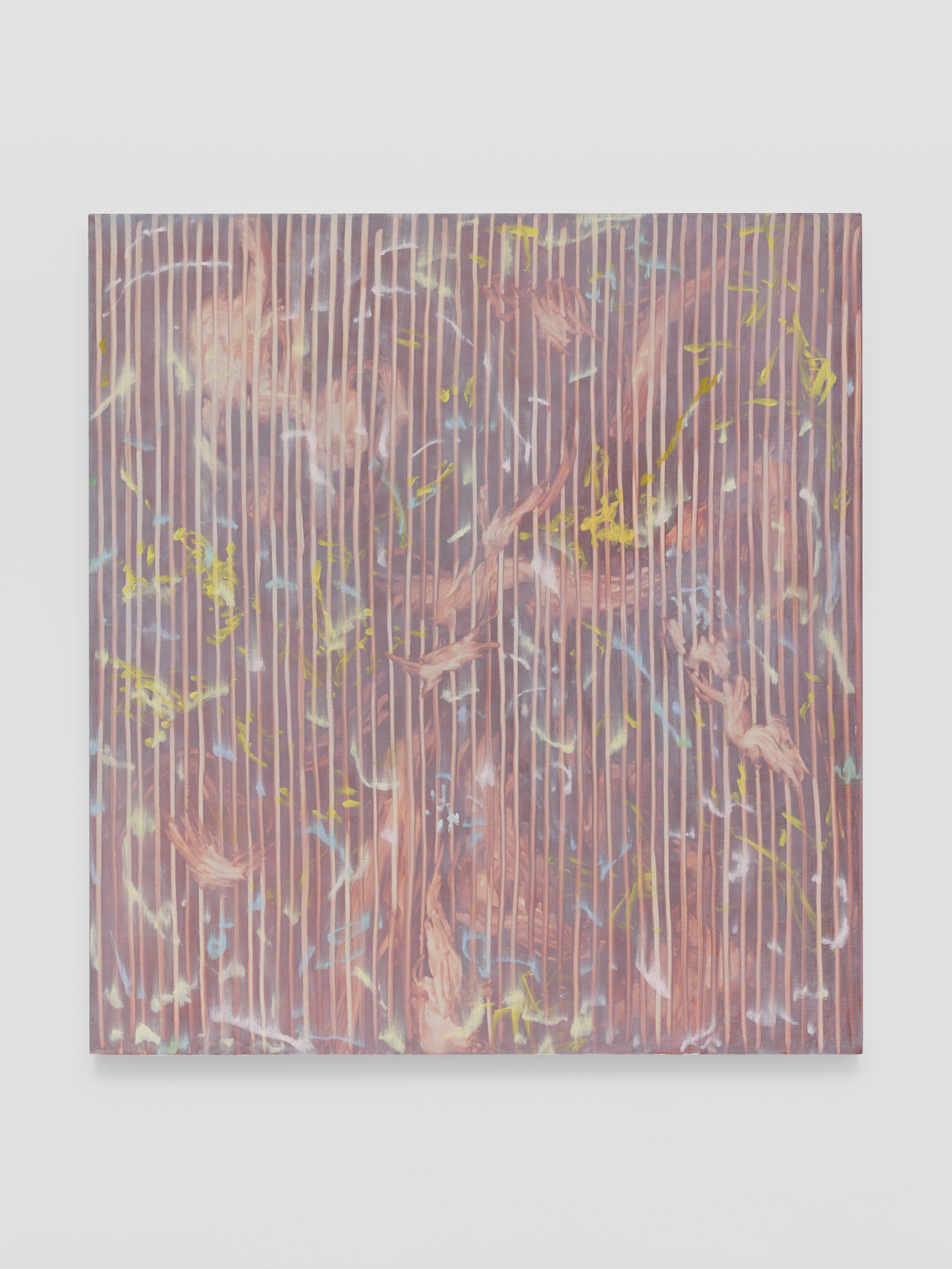
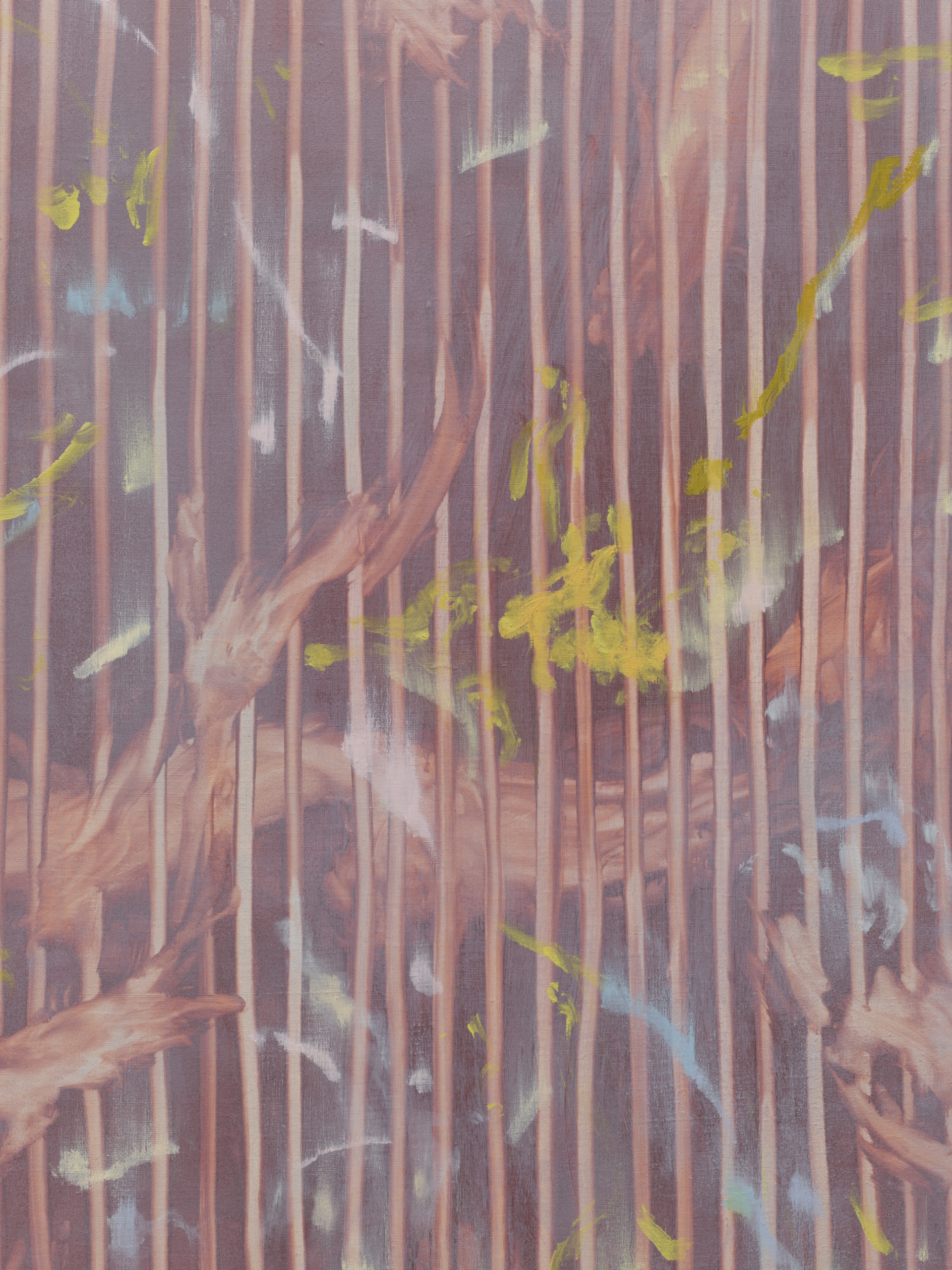
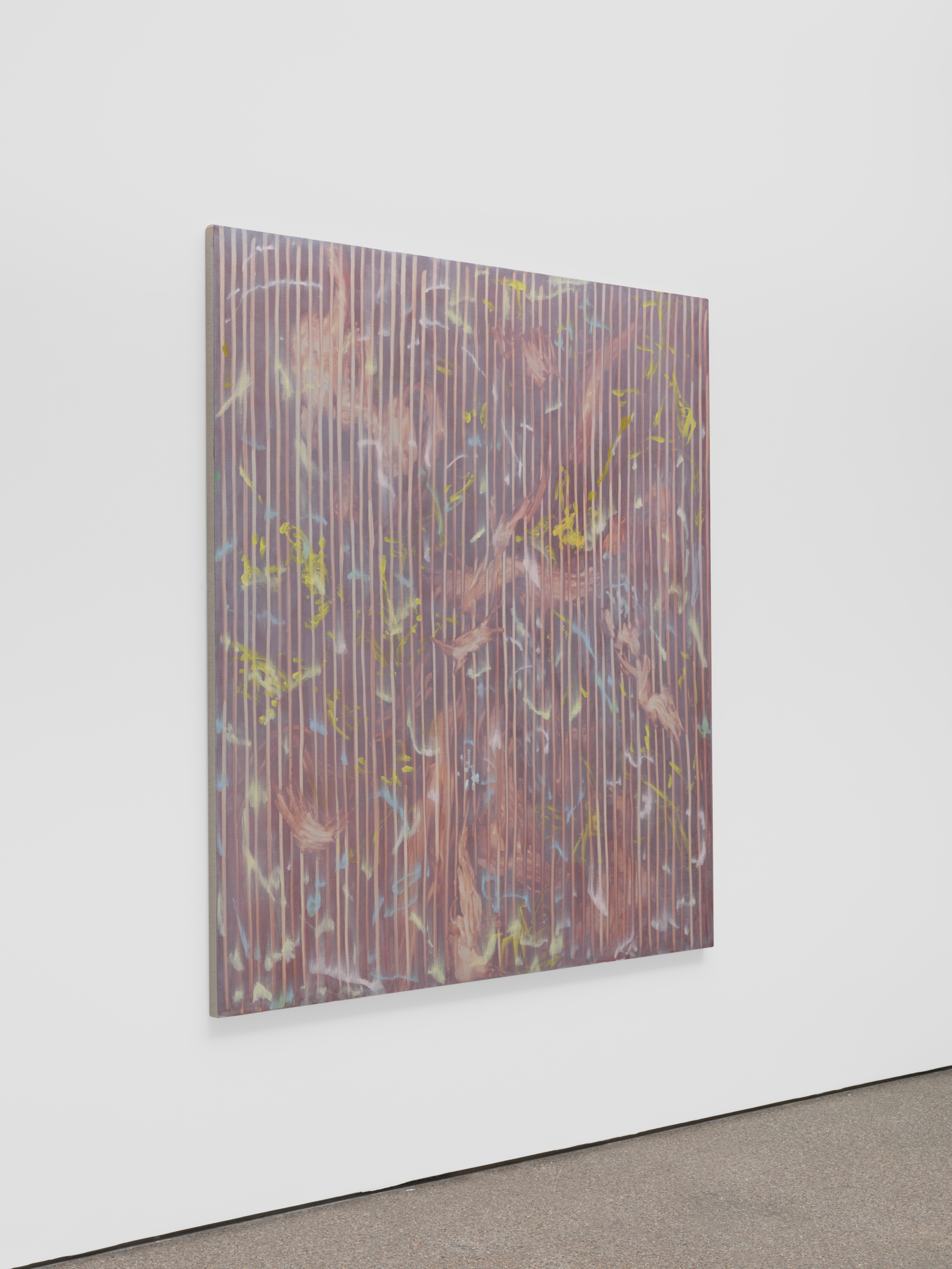
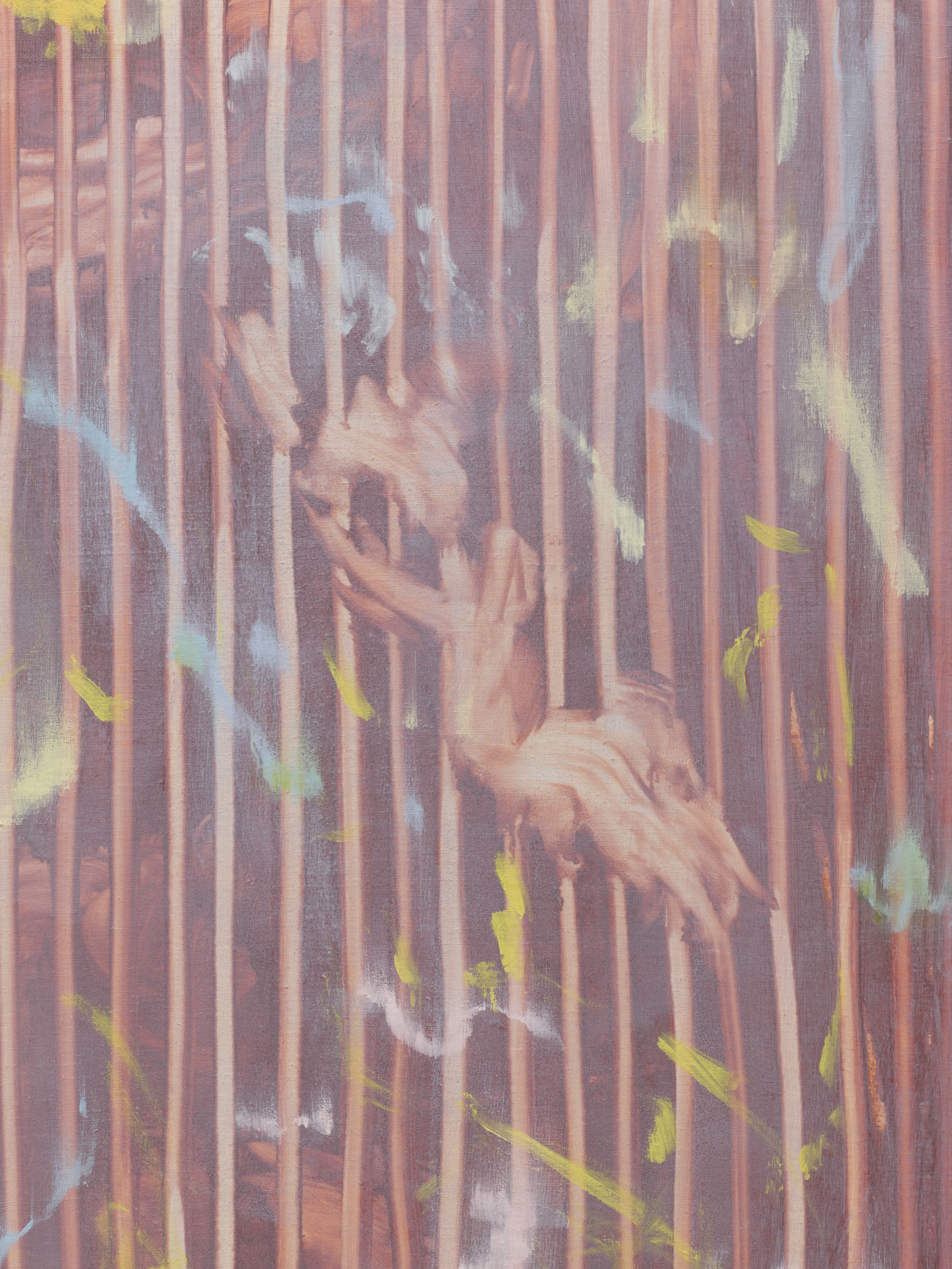
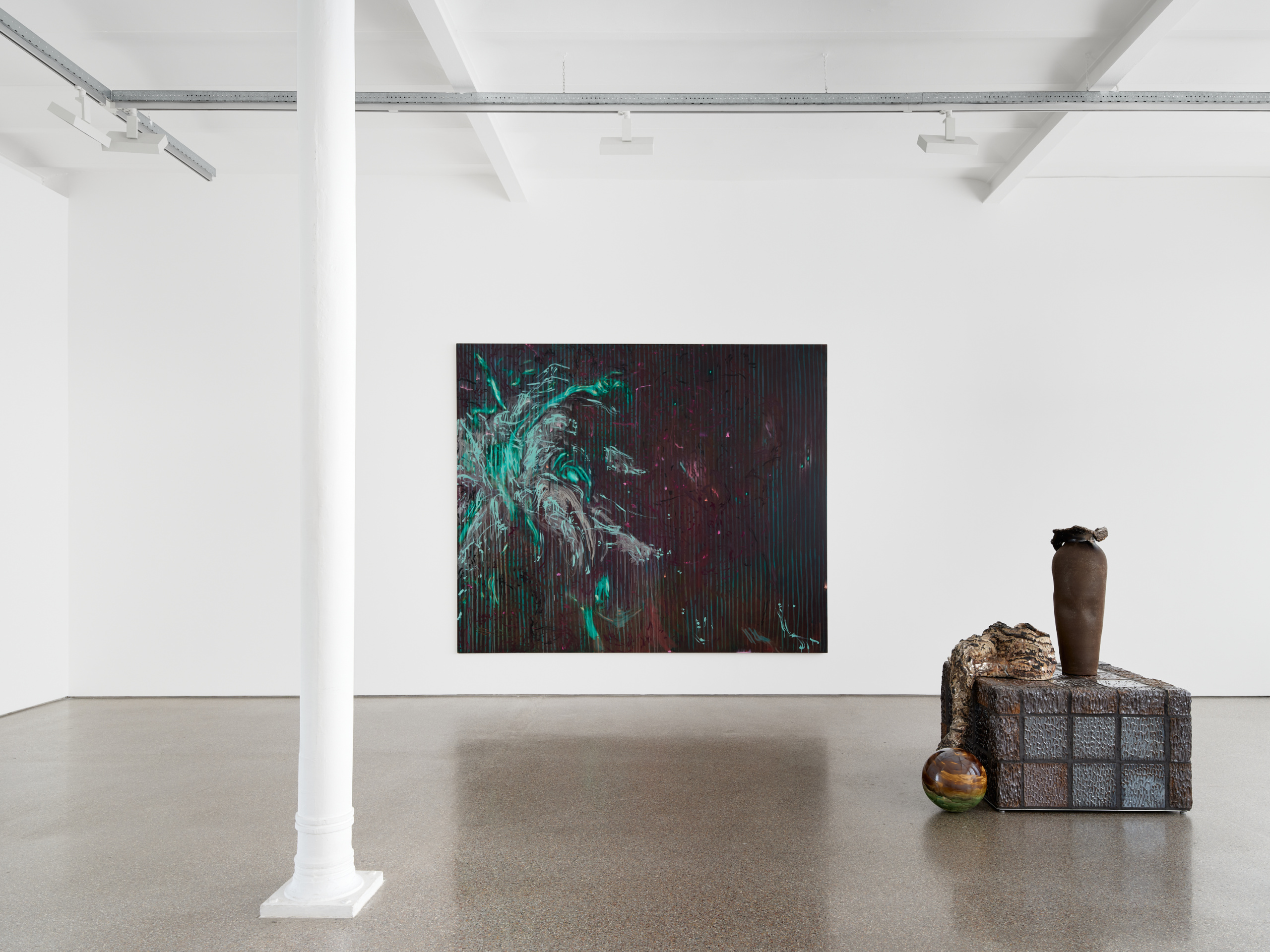
Installation view, Erica Mahinay: Evaporation Ceremony, Galerie Greta Meert, 2025
For press inquiries or any further information you can contact us by email at info@galeriegretameert.com