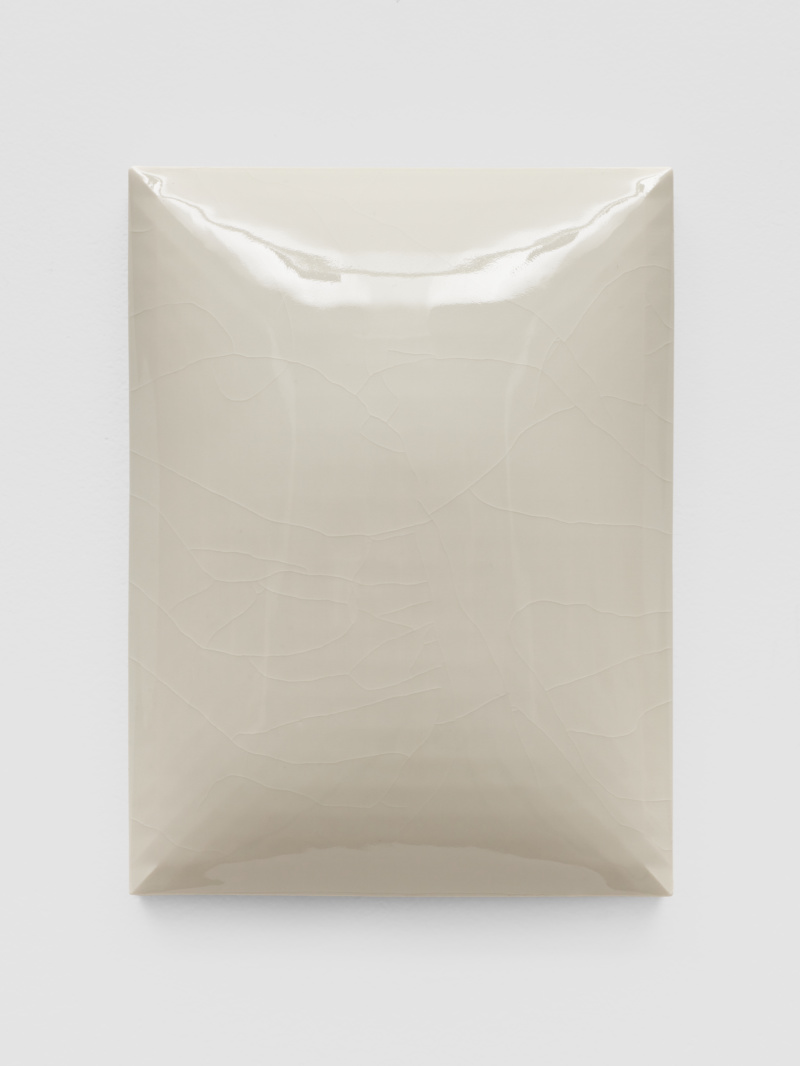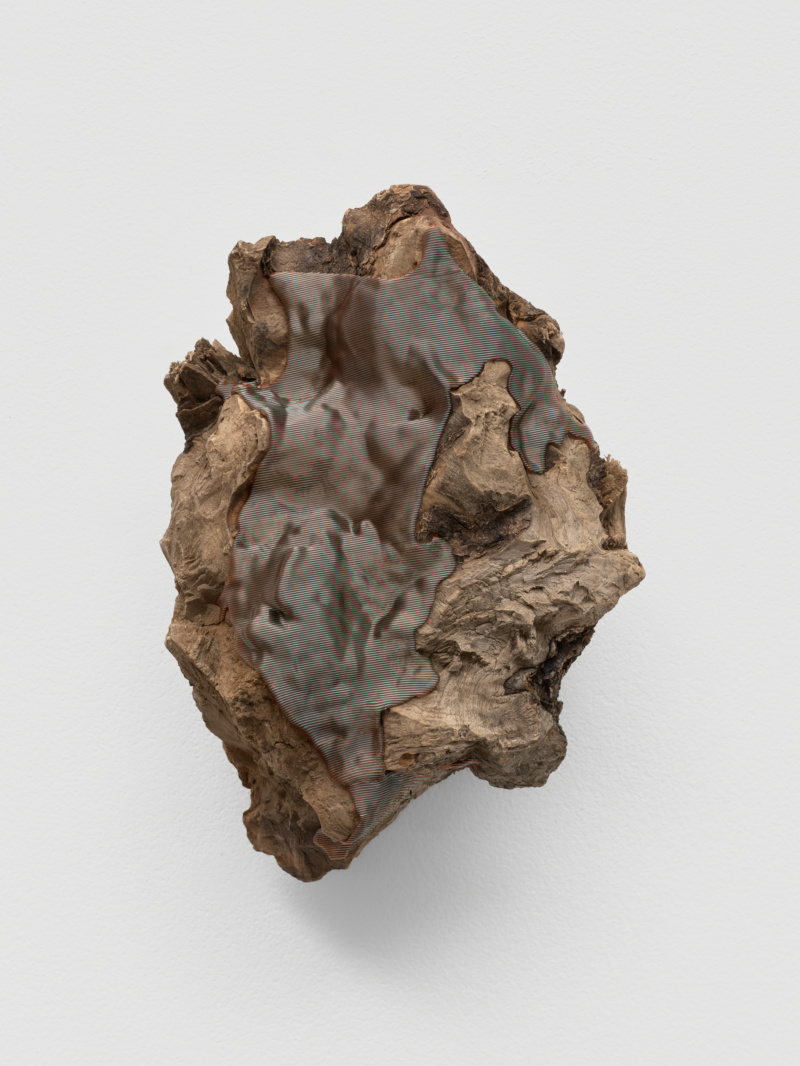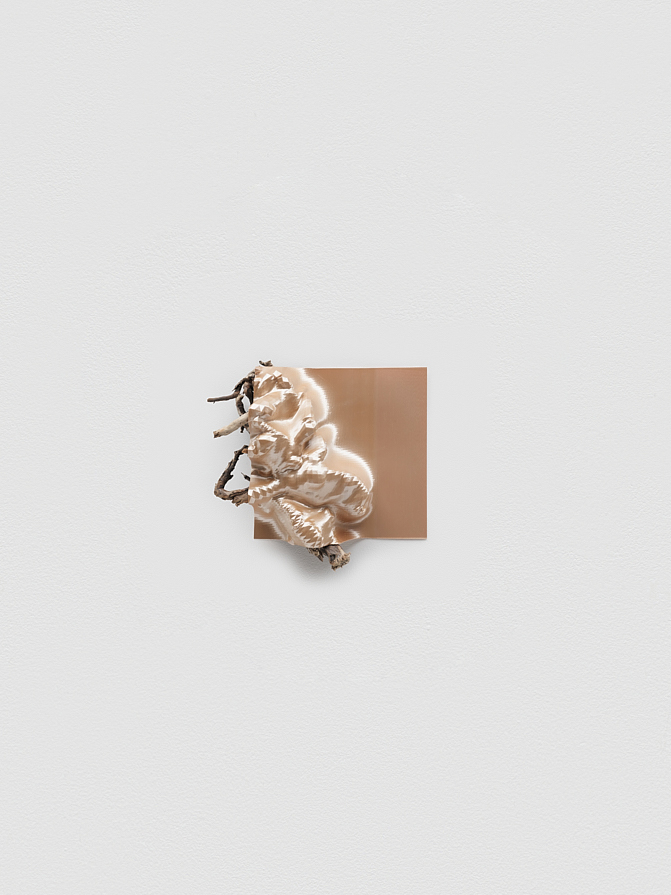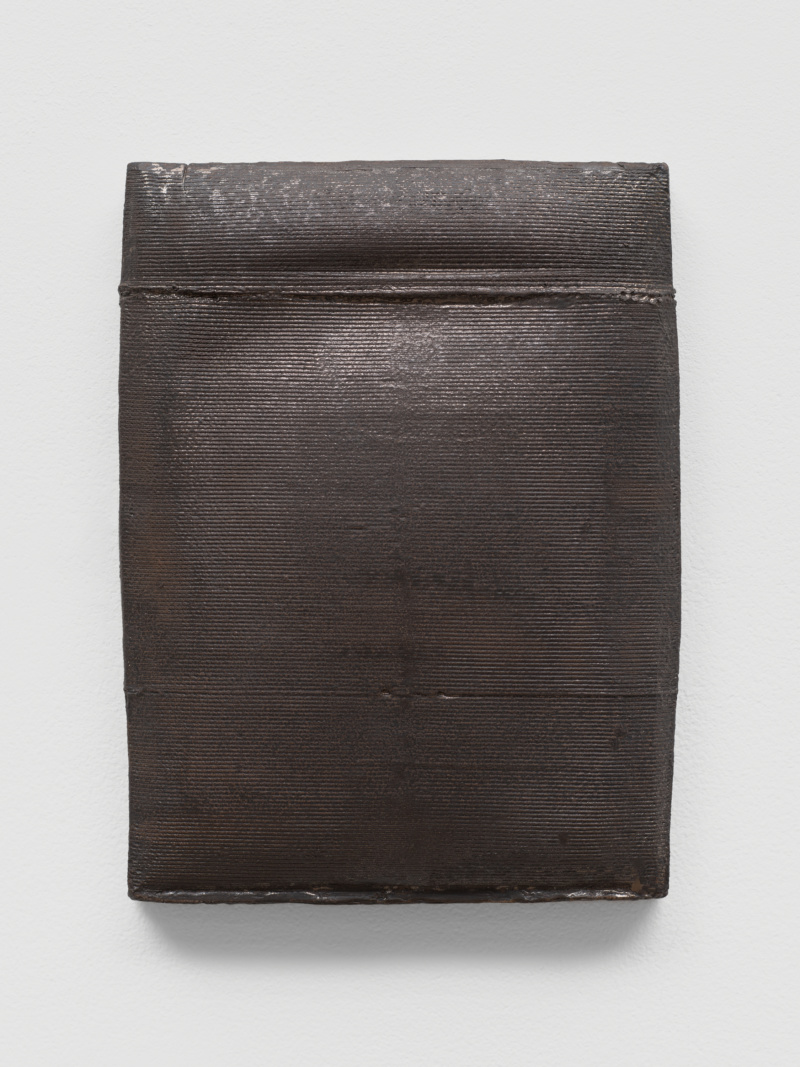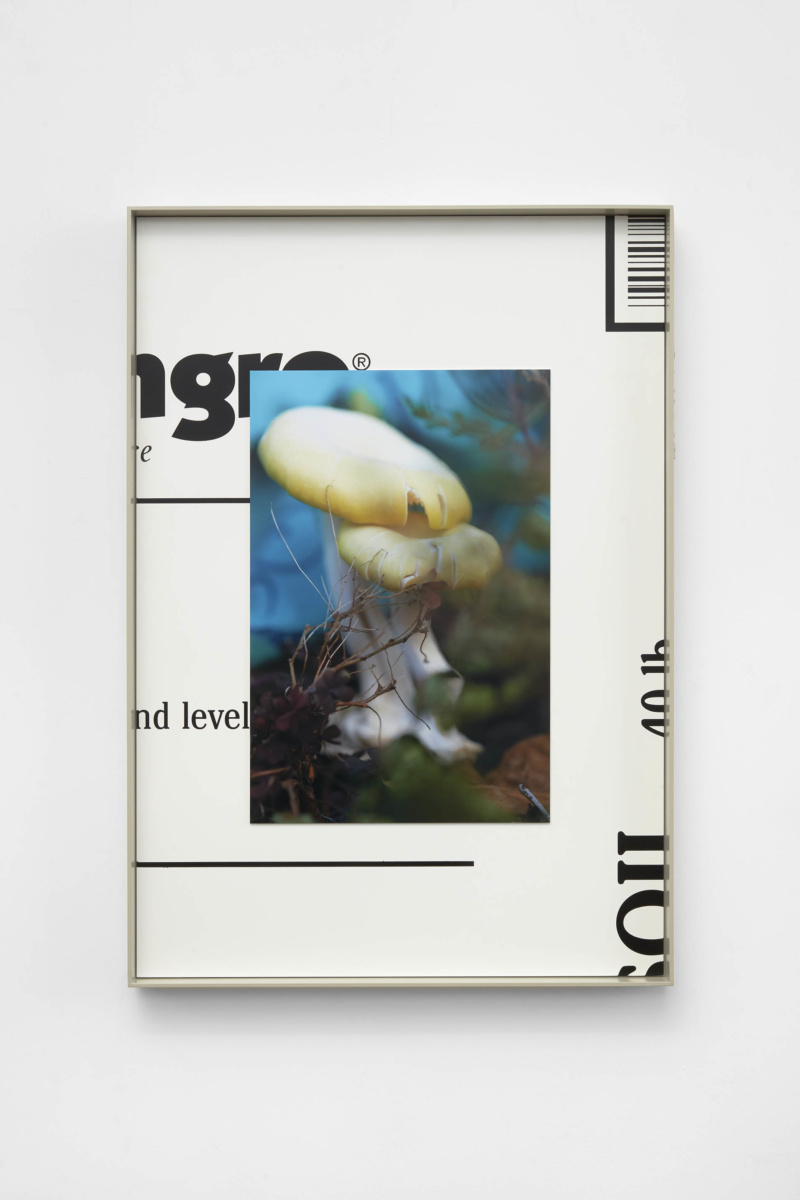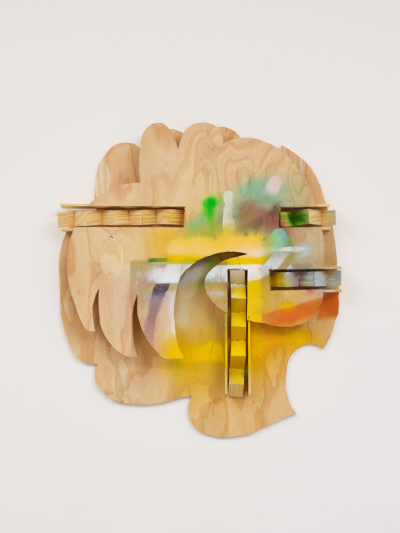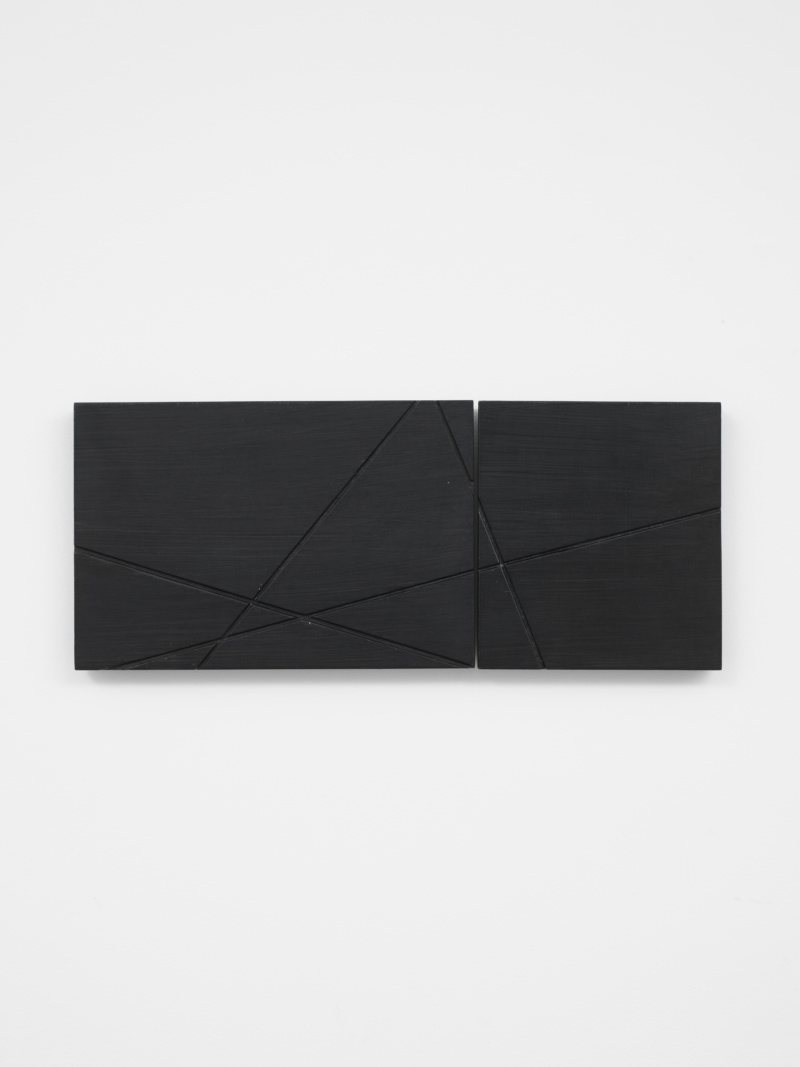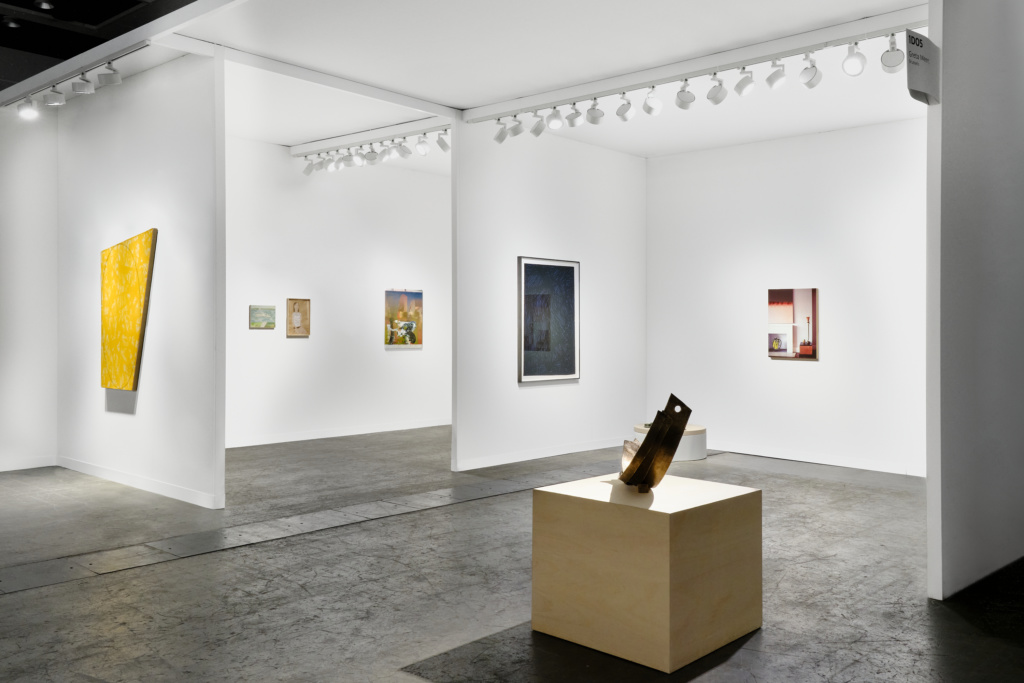
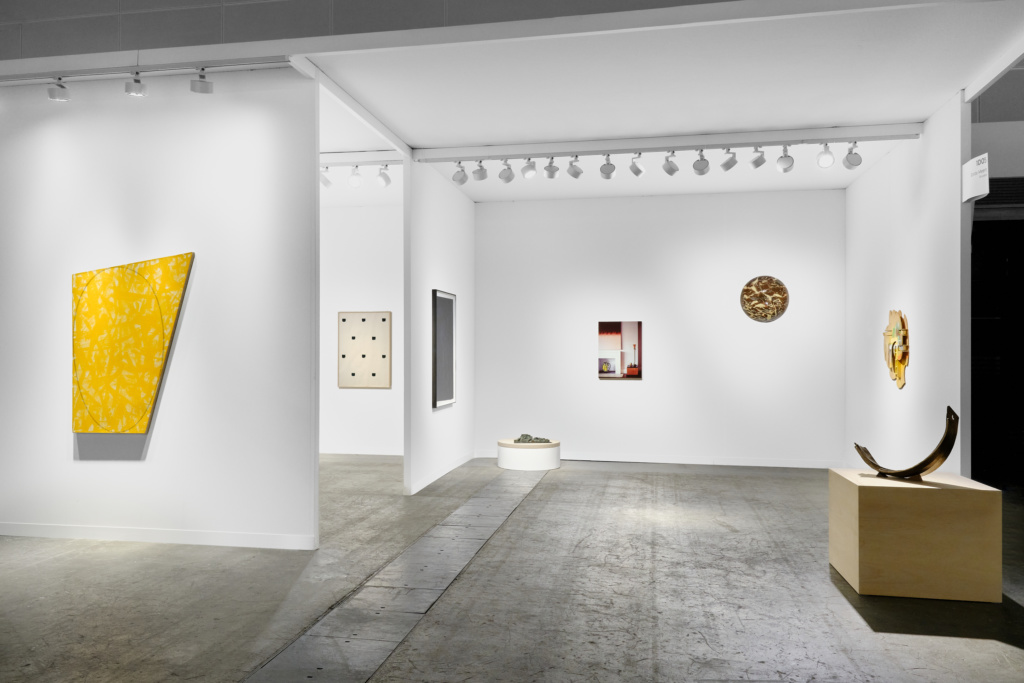

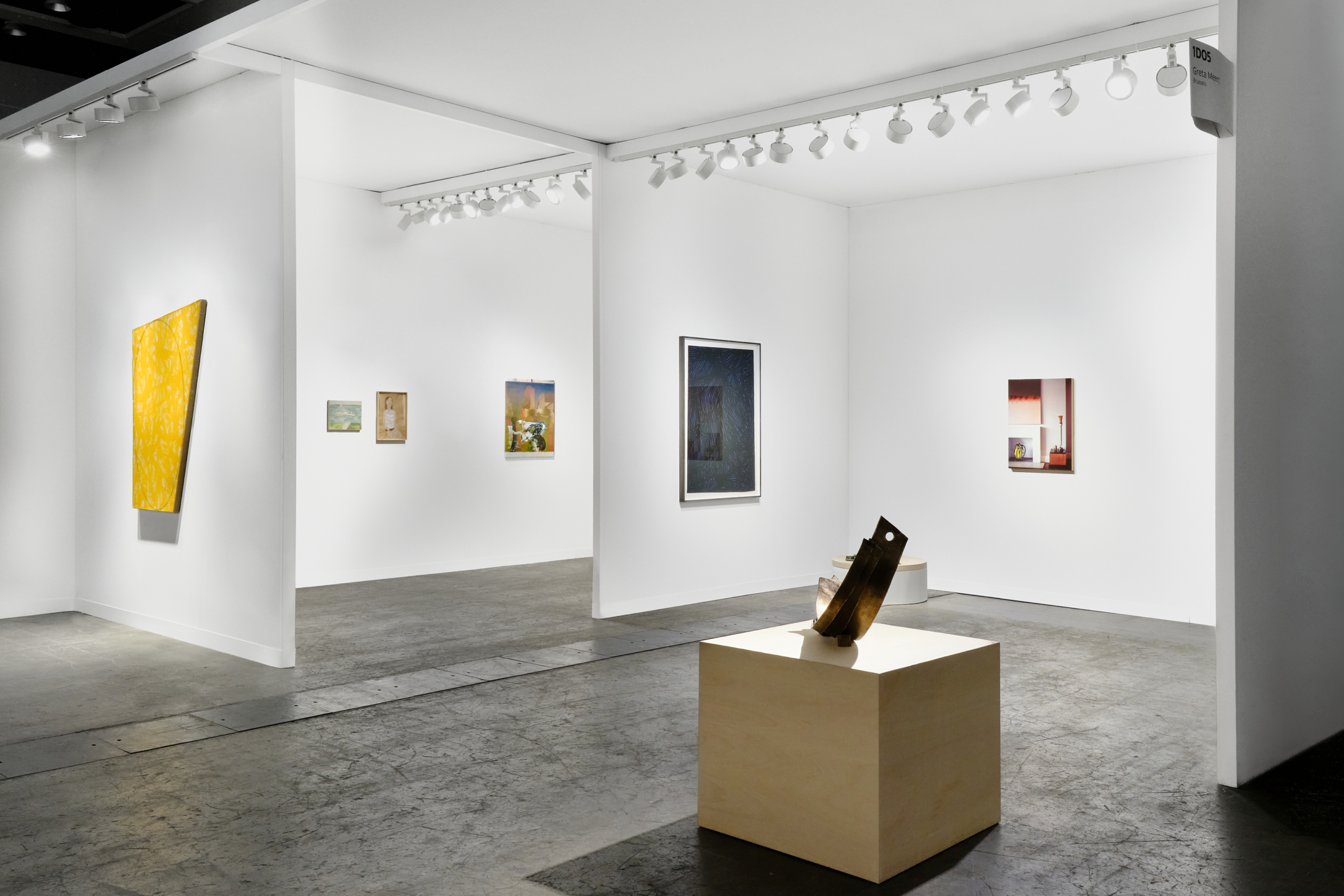
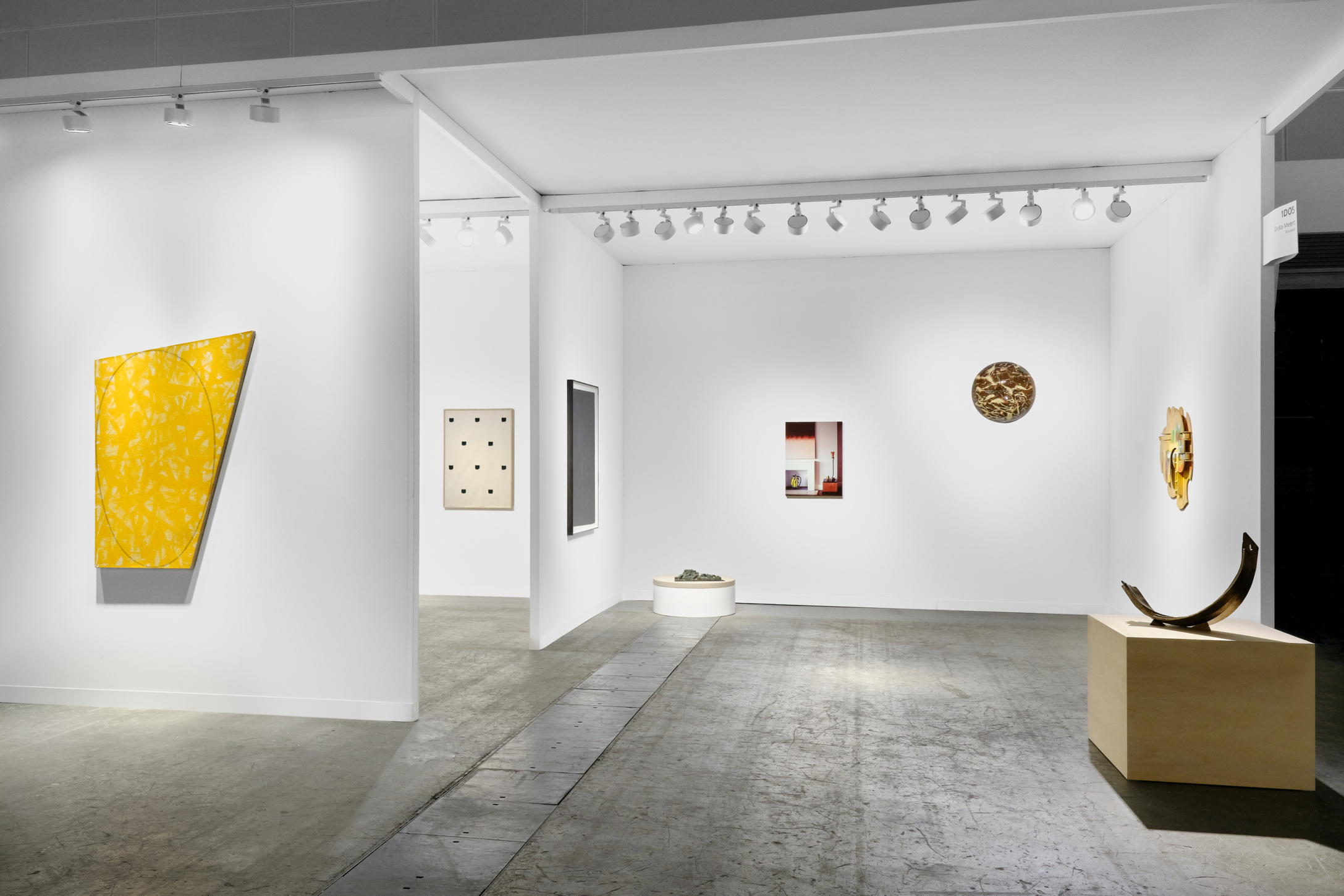
For the 2026 edition of Art Basel Hong Kong, Galerie Greta Meert presents a concentrated dialogue around three fundamental registers: Sign / Writing, the Conceptual and Matter. These categories are not illustrated thematically, but explored in their interrelationships. The sign can become an idea, the idea can materialise, and matter can speak as writing.
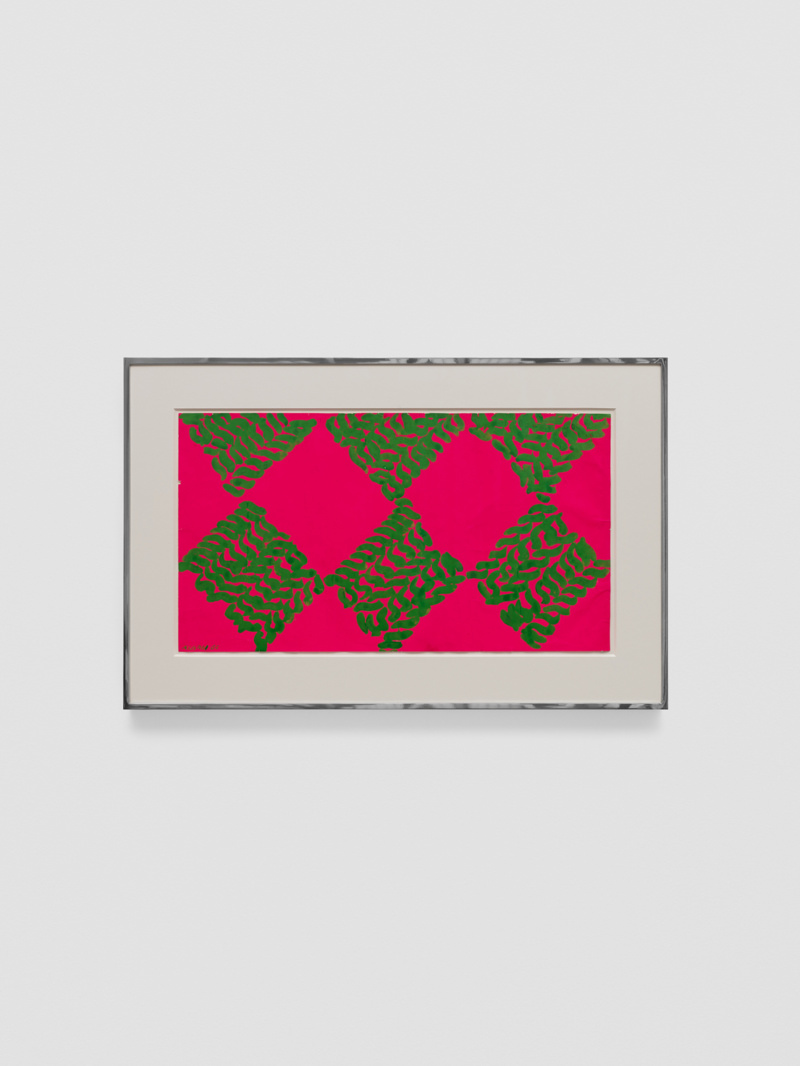
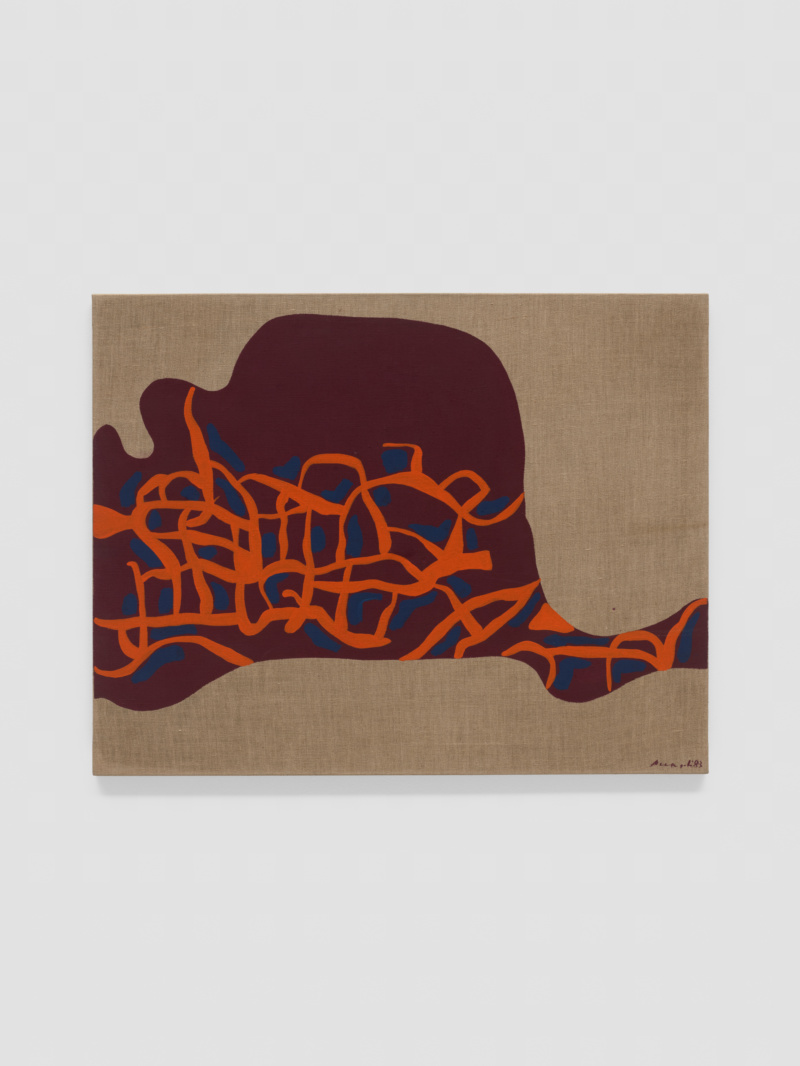
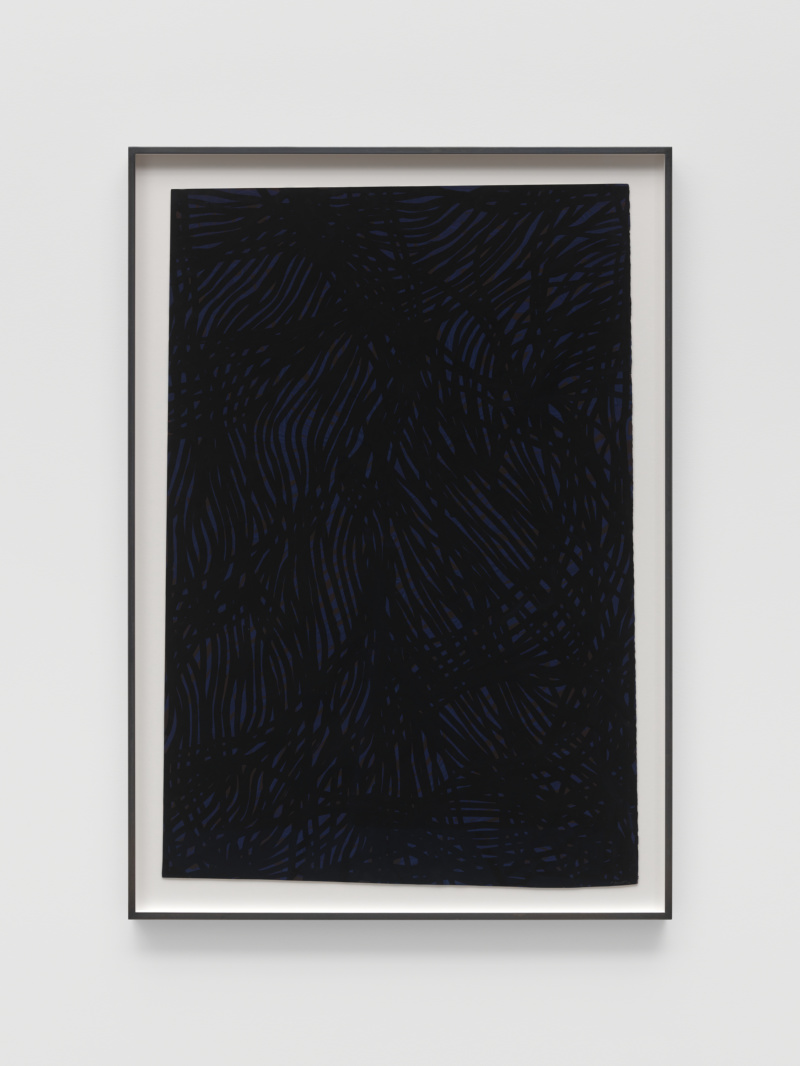
Within Sign / Writing, gesture appears as a primary form of thinking. In the work of Italian artist Carla Accardi (1924–2014), writing is liberated from semantics and presented as rhythmic energy. Her calligraphic motifs, often applied to transparent supports, situate themselves between writing and painting and activate space and light. Here, the sign is not a reference, but an autonomous presence.
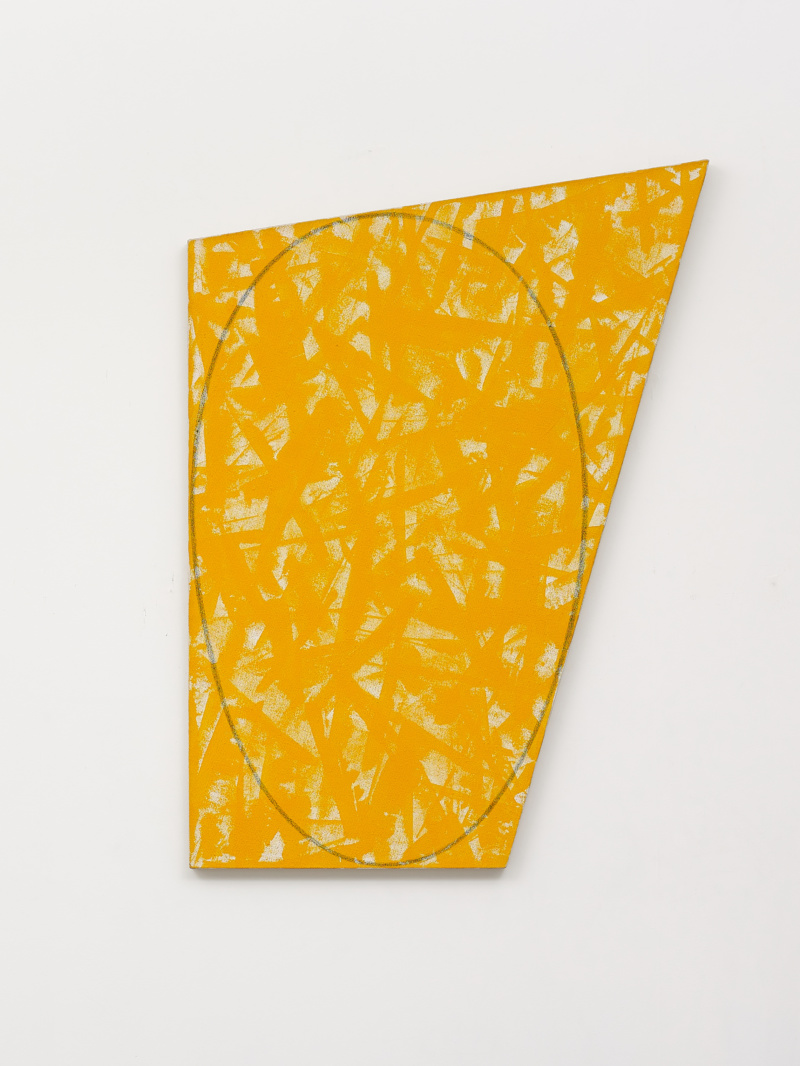
The line takes on a different intensity in the work of Robert Mangold (°1937, USA), where contour and colour structure the painting as an object. His geometric precision slows down perception and emphasises the painting as a bounded field. The fact that the sign can also be a system is radically articulated by Sol LeWitt (1928–2007, USA), for whom drawing is the execution of a pre-formulated thought. Instruction and action fall apart, turning writing into a lyrical yet conceptual protocol.
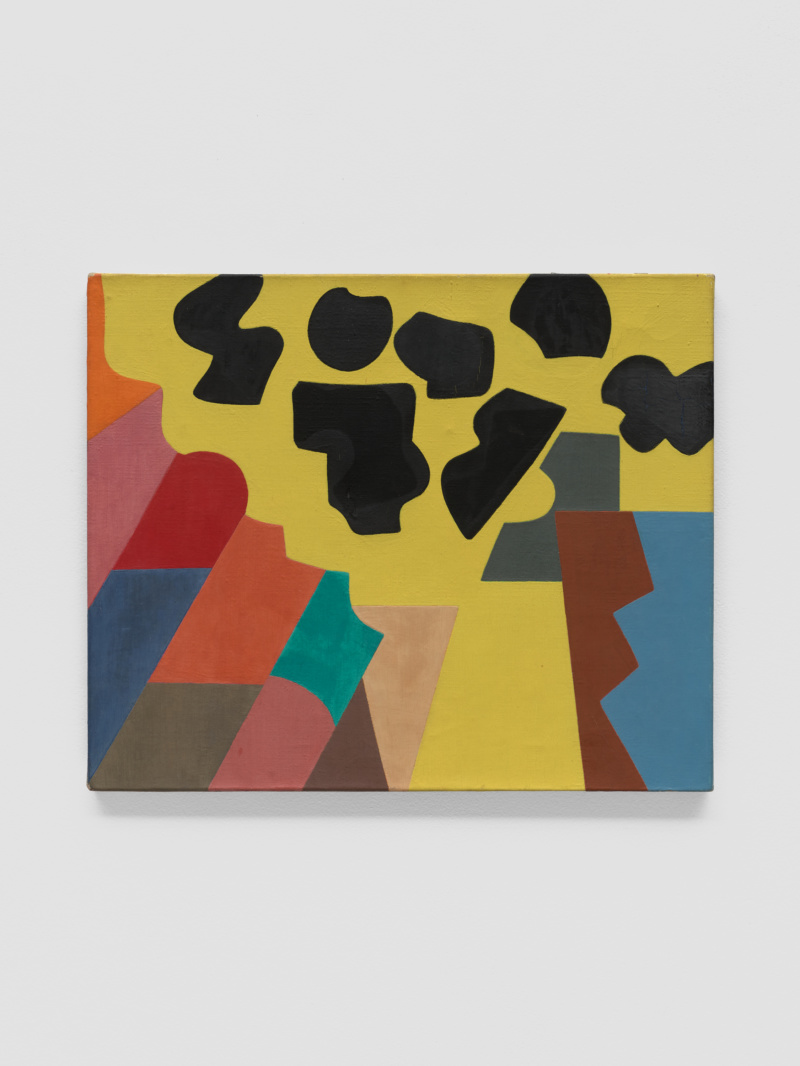
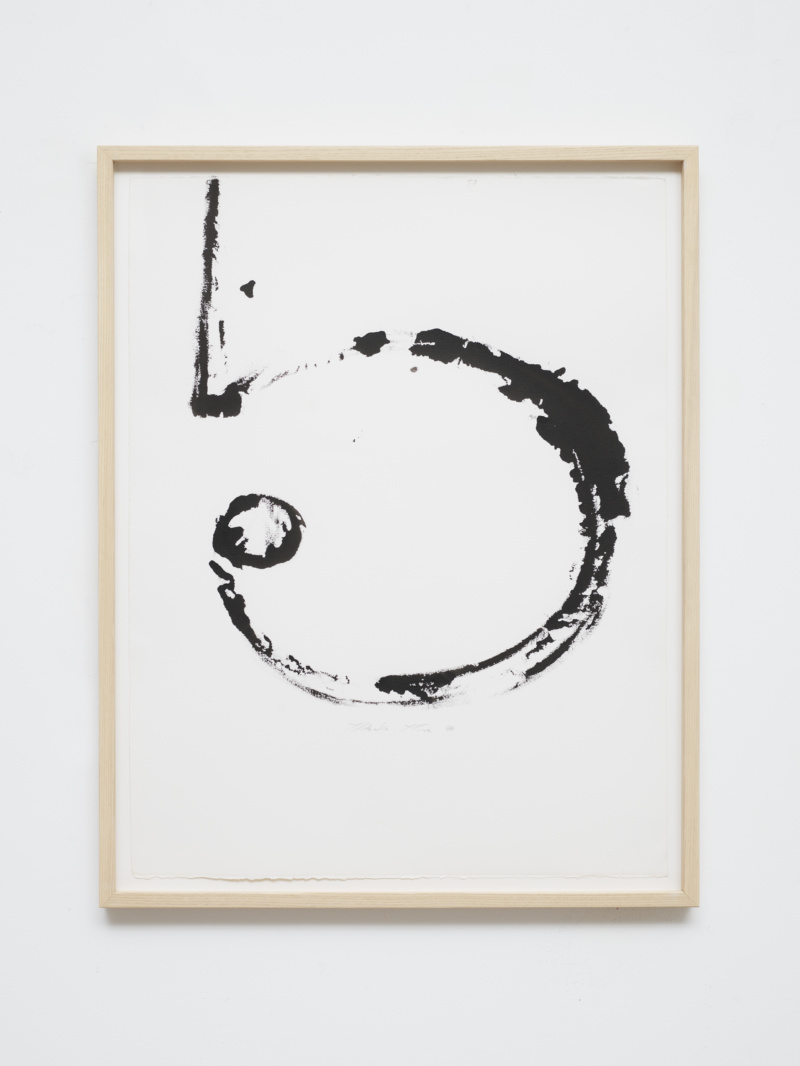
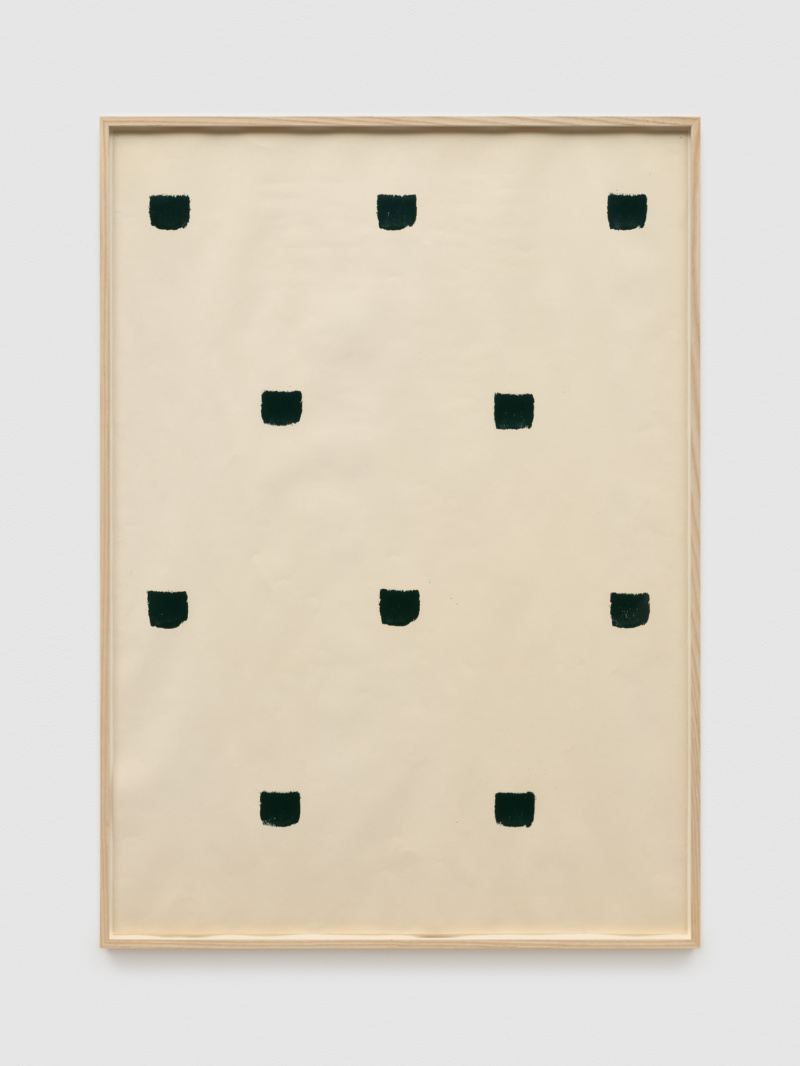
In Shirley Jaffe’s (1923 – 2016, USA/FR) work, areas of colour function as signs in an energetic field of tension; her paintings balance between construction and vitality. Niele Toroni (°1937) reduces the pictorial gesture to a repeated brushstroke at fixed intervals. Through this limitation, the sign becomes a measuring instrument of space, time and context.
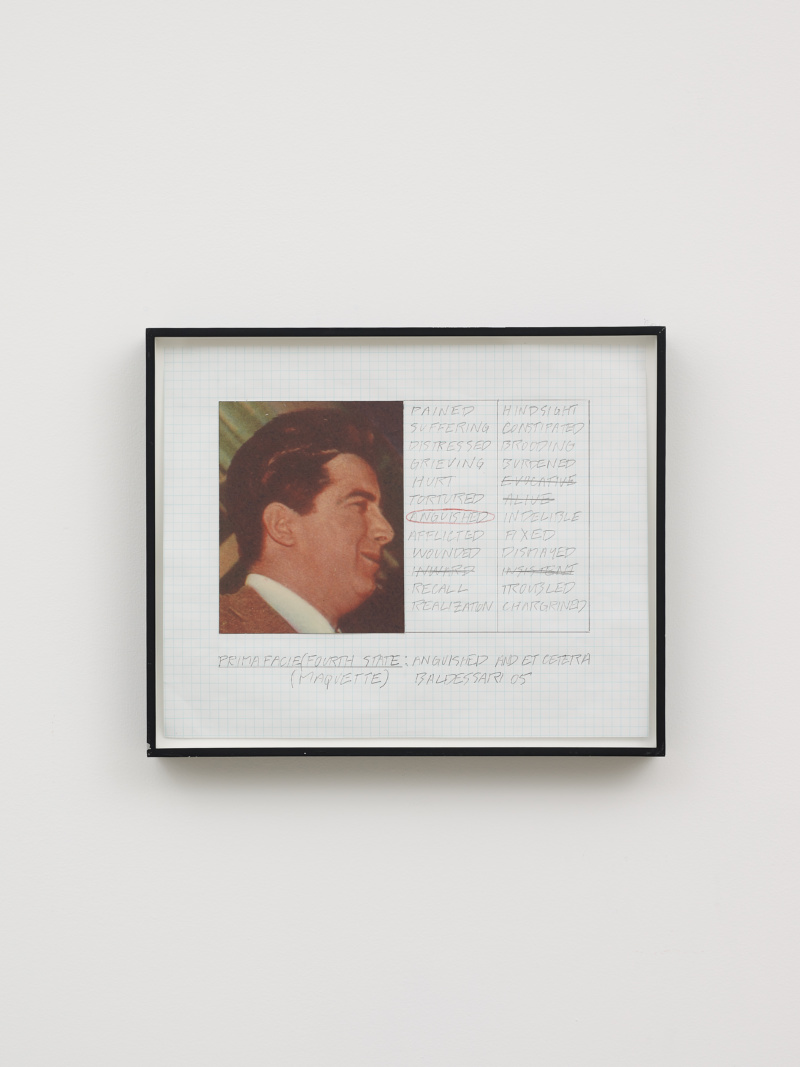
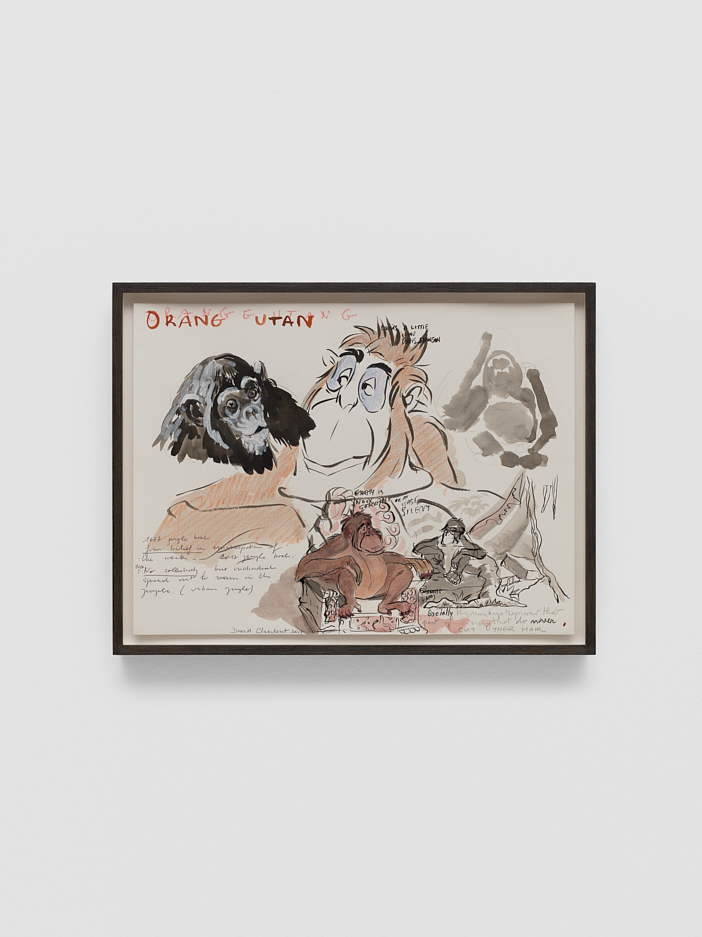
From a Conceptual perspective, this reflection deepens by questioning the conditions of meaning production itself. In Jef Geys (1934–2018, BE), archiving, pedagogy and everyday reality converge in a practice that eludes fixed categories. Here, the artwork becomes a space for reflection in which authorship and legitimacy are open to debate.
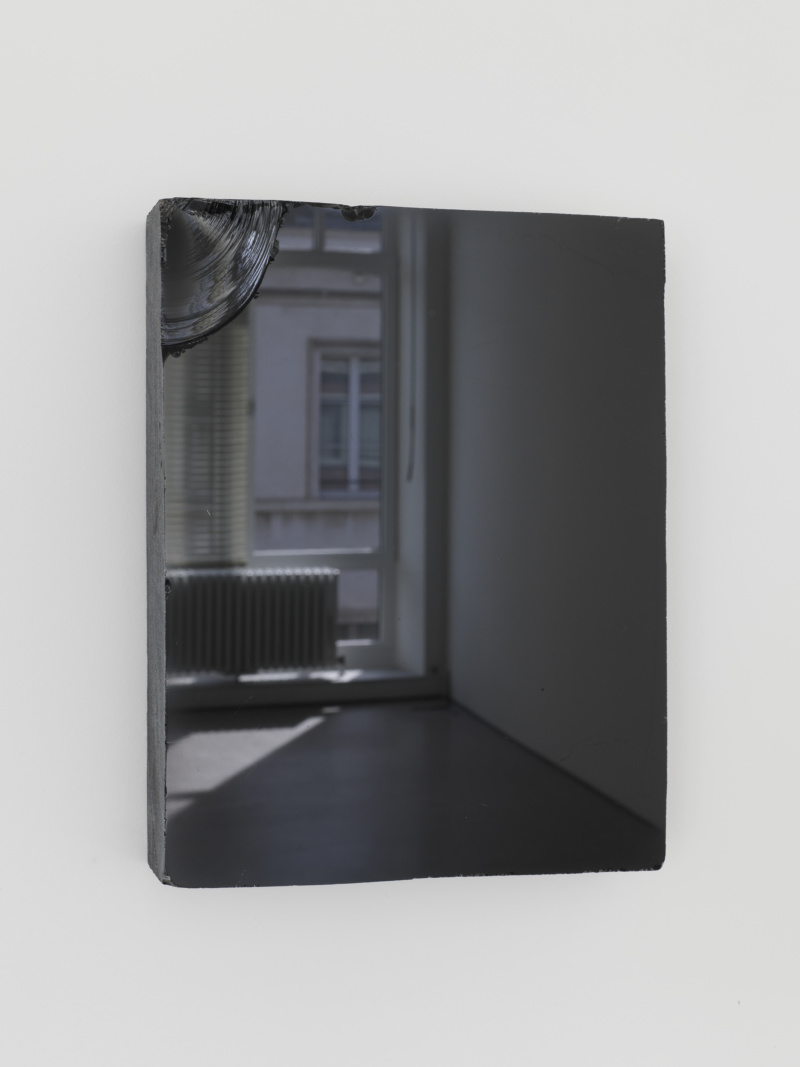
The reflective surfaces of Jacob Kassay (°1984) turn the painting into a reflective screen that encloses its surroundings. The work thus becomes a critical meditation on visibility, value and circulation.
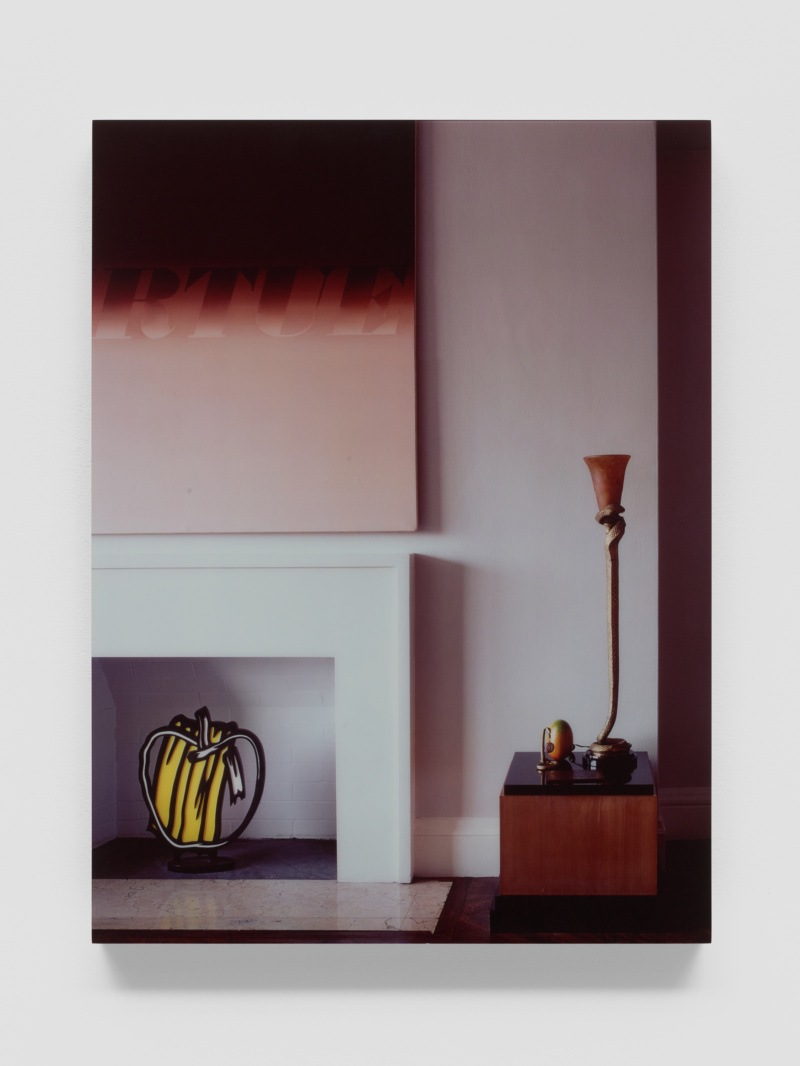
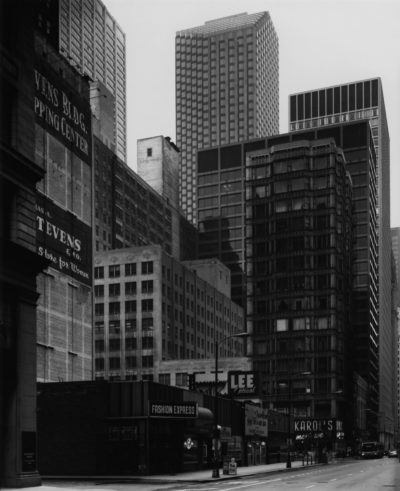
Louise Lawler (°1947) shifts the focus to the context in which art appears. Her photographic images show how meaning is created through placement and institutional framing, making the exhibition space itself the subject.
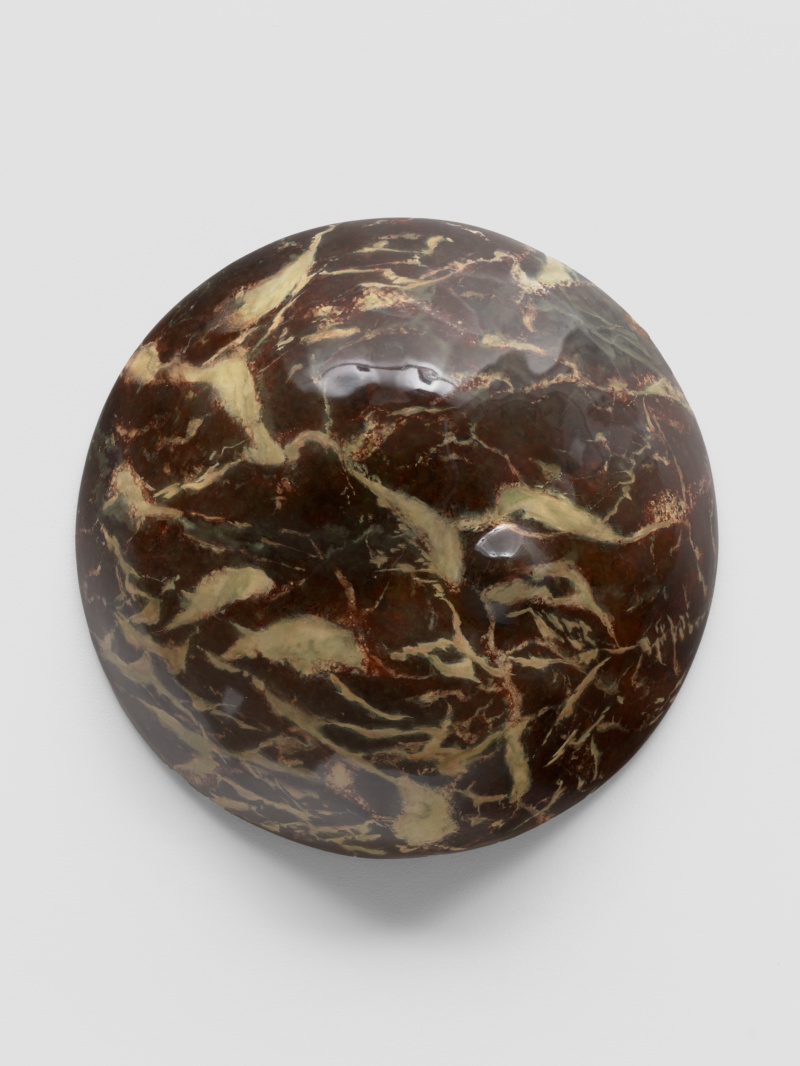
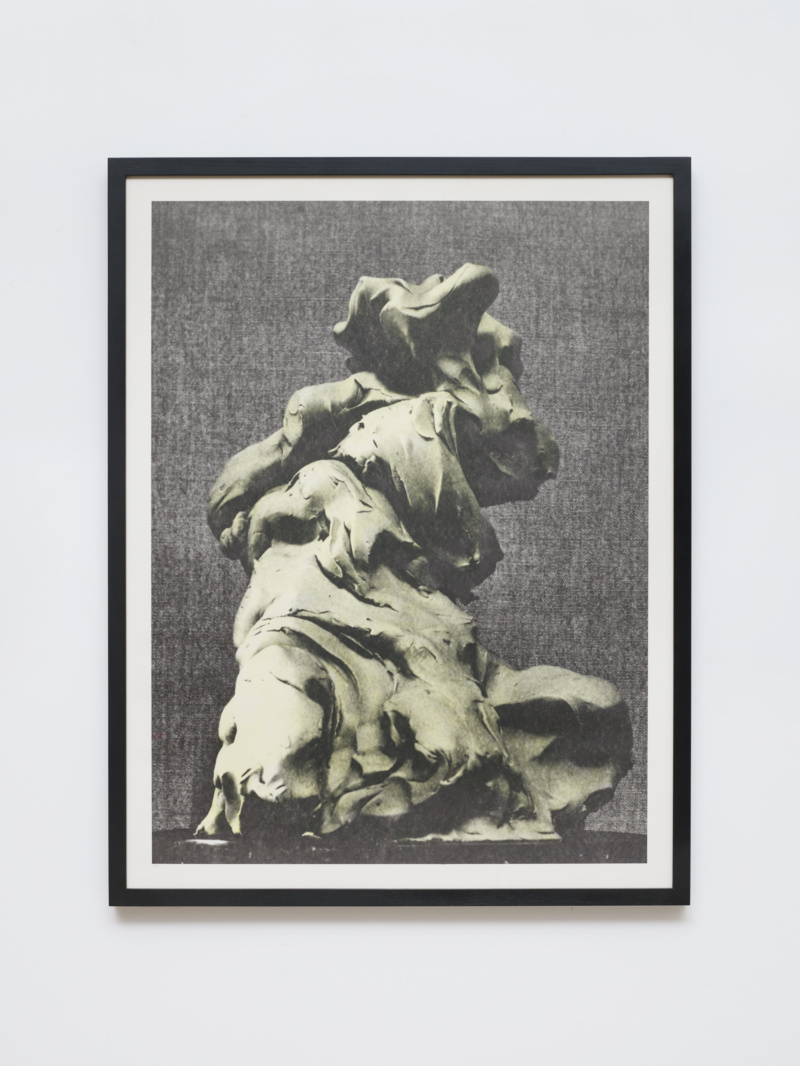
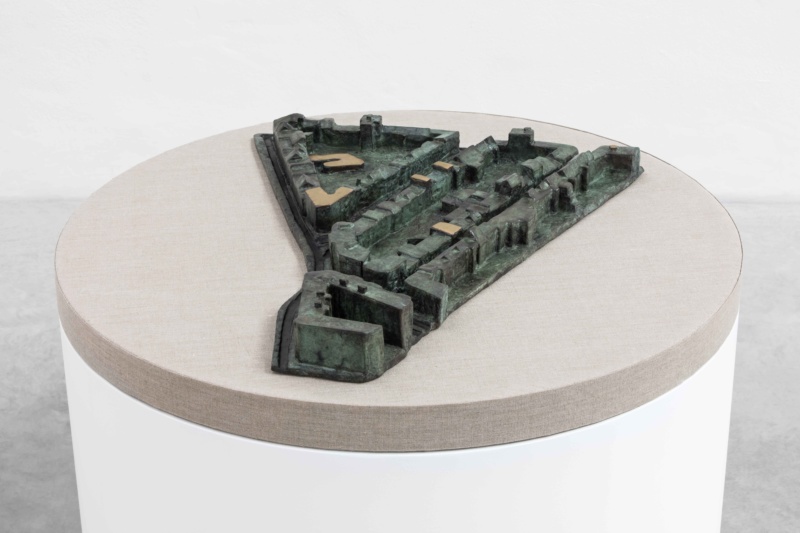
In the section Matter, the work manifests itself as a process in which physical properties and temporality are decisive. Edith Dekyndt (°1960) allows everyday materials to react to gravity, temperature or duration; sculpture becomes a nature driven, fragile record of change. The solidified movement in the sculptures of Johannes Wald (°1980) preserves the memory of a temporary form and emphasises the tension between transience and durability.
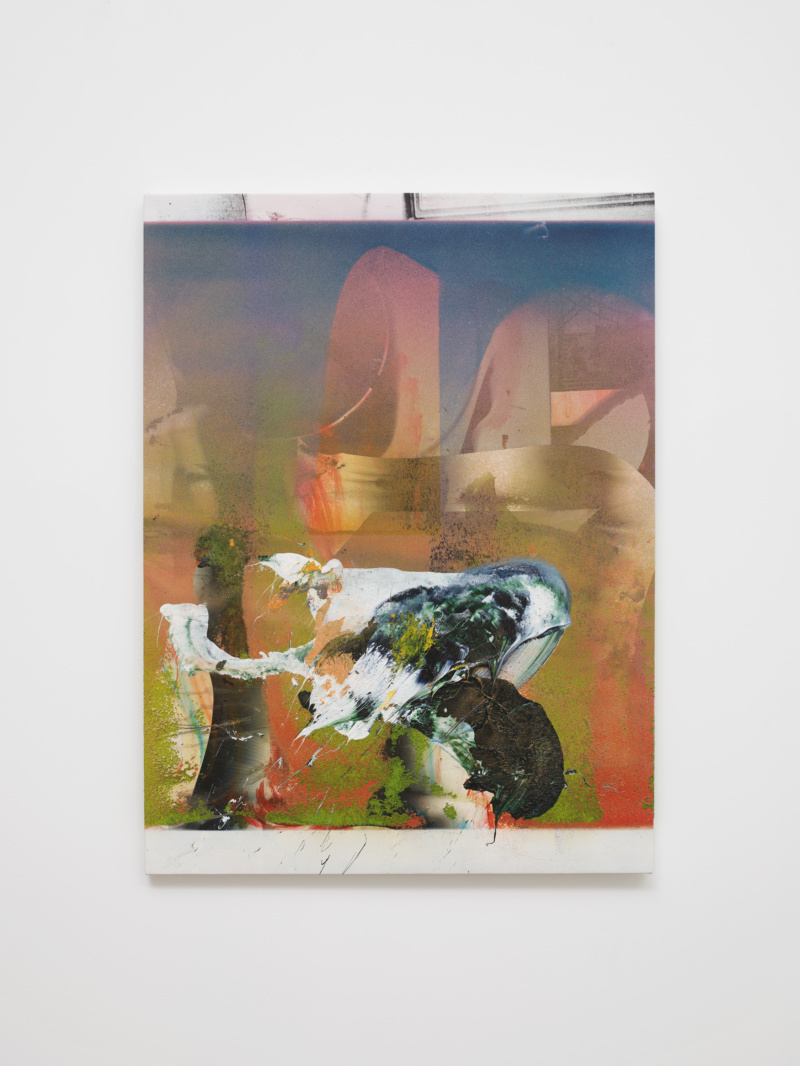
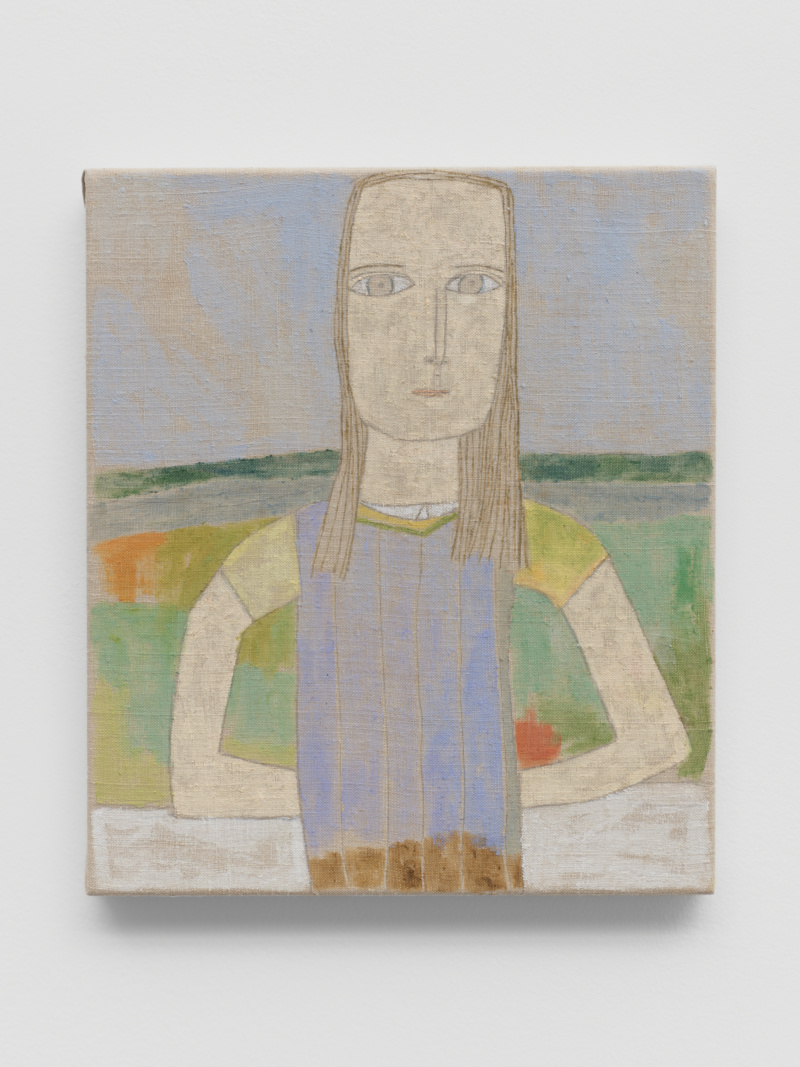
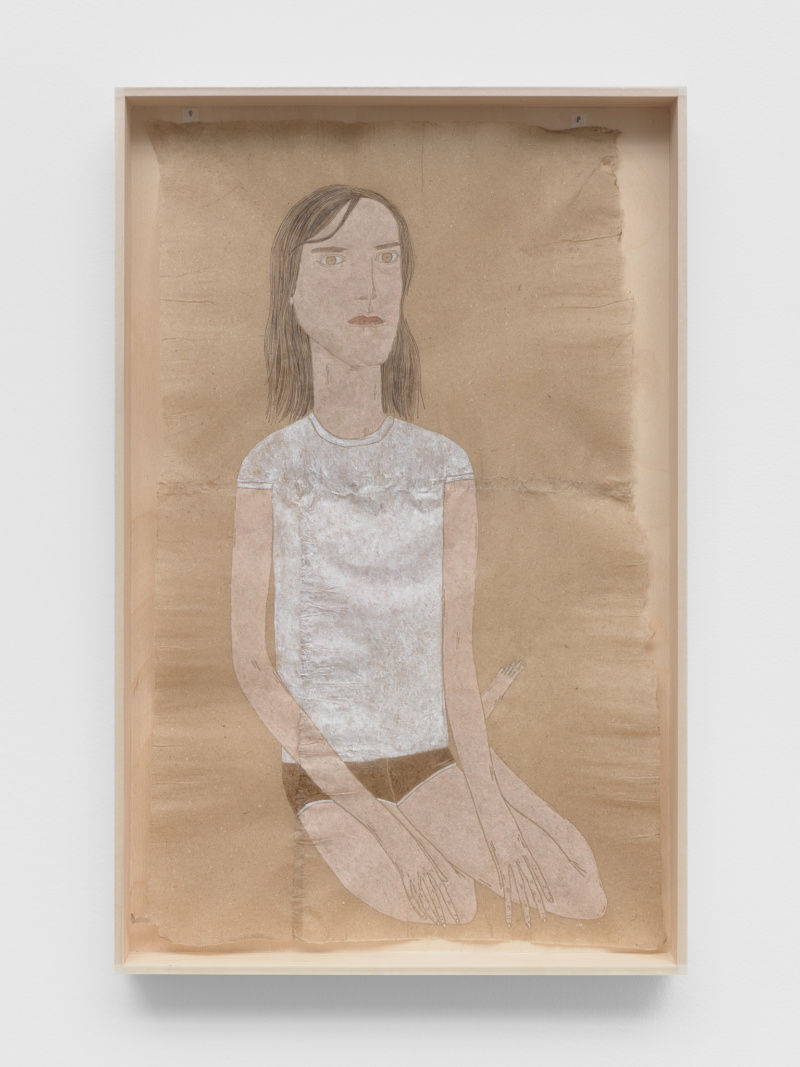
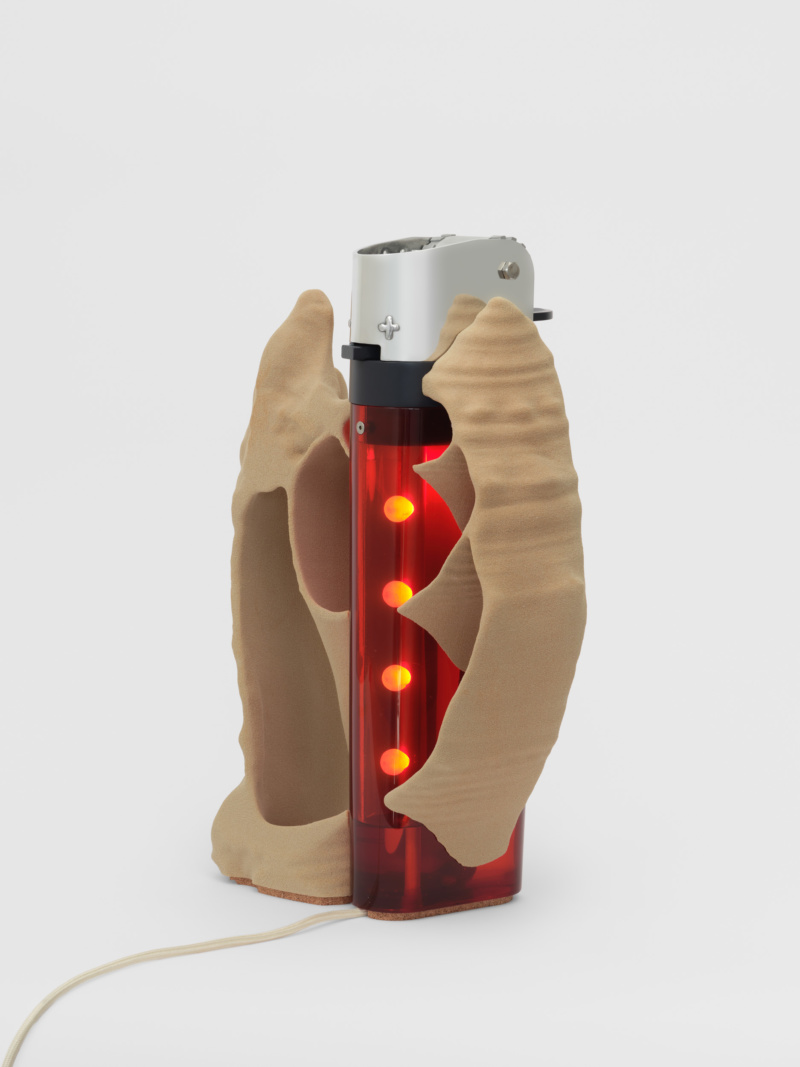
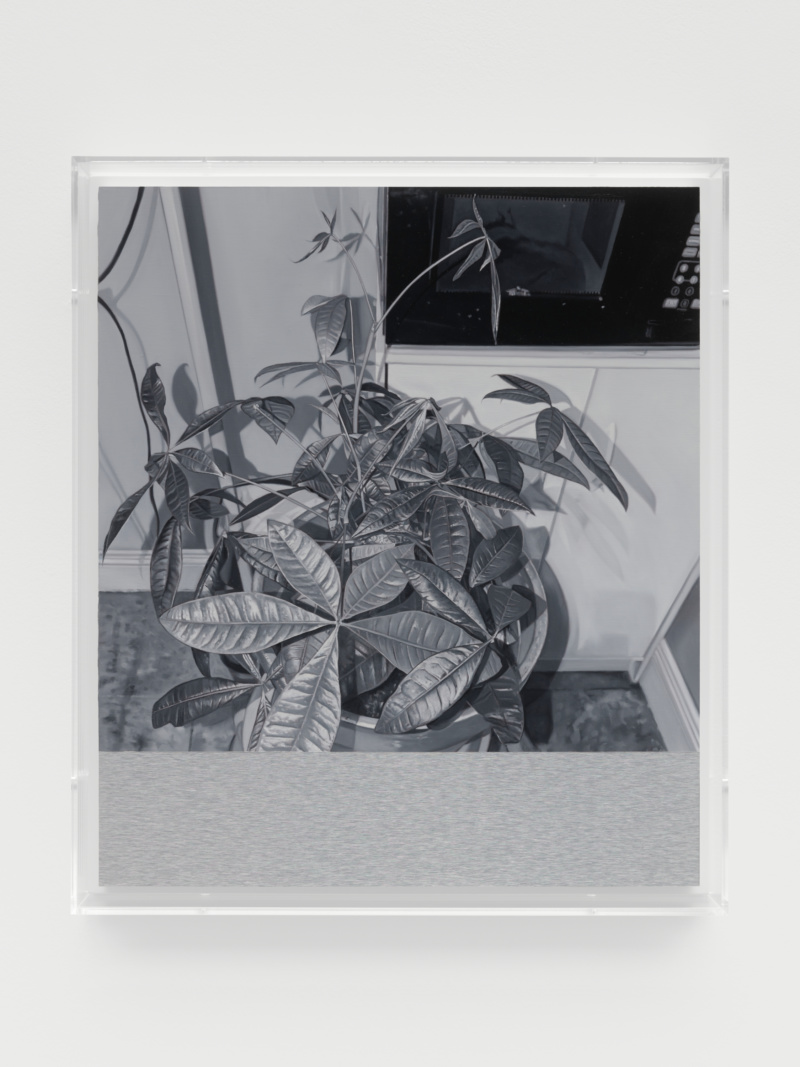
In Catharina Van Eetvelde’s (°1967) work, painting shifts to a hybrid zone between object and image, where transparency and reflection activate the gaze on the landscape and figures. Richard Tuttle (°1941) uses minimal means to undermine the hierarchy between noble and banal materials; his works demand proximity and concentration. In a contemporary sculptural language, Magali Reus (°1981) explores how industrial production and physical experience intersect, making objects both autonomous and relational.
This creates a presentation in which Sign / Writing, Concept and Matter are not closed domains, but permeable fields. Galerie Greta Meert articulates a discursive space in which viewing becomes a slow, attentive act, inviting visitors to experience the intensity of the minimal and the clarity of the idea within the international context of Art Basel Hong Kong.